
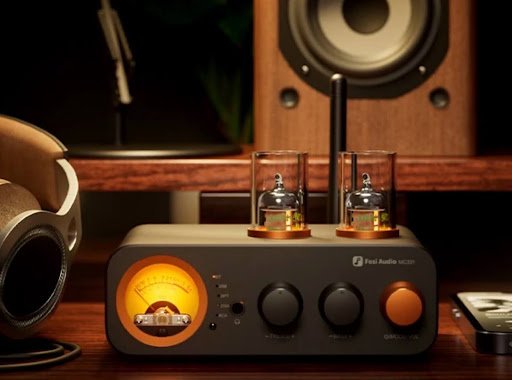

Introduction
Choosing a headphone amp DAC requires understanding how digital audio conversion and amplification work together. These devices are available in many designs, from affordable USB adapters to advanced desktop systems.
The best option depends on your headphones, audio source, budget, and intended use. Comparing practical features before purchasing can help you avoid unnecessary expenses and select suitable equipment.
Check Headphone Requirements
Headphone impedance and sensitivity are important specifications when choosing an amplifier.
High-impedance headphones may require greater voltage, while headphones with low sensitivity can require more power to reach a particular volume.
A headphone amp DAC should provide sufficient output for the intended headphones without excessive distortion. Check manufacturer specifications and independent measurements when available.
Sensitive earphones may also reveal background hiss from an unsuitable amplifier, making noise performance an important consideration.
Understand Audio Specifications
DAC specifications often include supported sampling rates, bit depths, and audio formats. These details describe technical capabilities but should not be the only basis for a purchasing decision.
Signal-to-noise ratio and distortion measurements can help evaluate performance. However, measurements should be interpreted alongside practical compatibility and listening requirements.
A device with very high advertised specifications may not provide an audible advantage over a well-designed, more affordable alternative.
Choose the Right Connectivity
USB is common for connecting a headphone amp DAC to computers and compatible mobile devices. Some models also support optical or coaxial digital inputs.
Headphone outputs vary between products. Common options include 3.5 mm and 6.35 mm connections, while certain devices provide balanced outputs.
Check that the unit supports your headphones, source device, and operating system. Microphone support should also be confirmed if you need voice communication.
Consider Portability and Power
Portable models are suitable for travelling and mobile listening. Desktop models are more appropriate for dedicated home audio setups.
USB-powered devices can consume battery power from connected phones or computers. Battery-powered models may provide greater independence but require charging.
Choose a design that suits your daily routine rather than purchasing features you are unlikely to use.
Set a Realistic Budget
An expensive headphone amp DAC is not always necessary. If your existing device already provides clean sound and sufficient volume, upgrading may offer limited benefits.
Focus on compatibility, adequate power, dependable construction, and warranty support. Reliable reviews can help you compare options without relying entirely on marketing claims.
Conclusion
A headphone amp DAC combines two essential audio functions in one convenient device. Choosing the right model involves checking headphone requirements, output power, noise performance, connectivity, and budget. A well-matched device can provide reliable audio performance without unnecessary spending, whether you listen to music, play games, or use headphones for everyday computer tasks.