

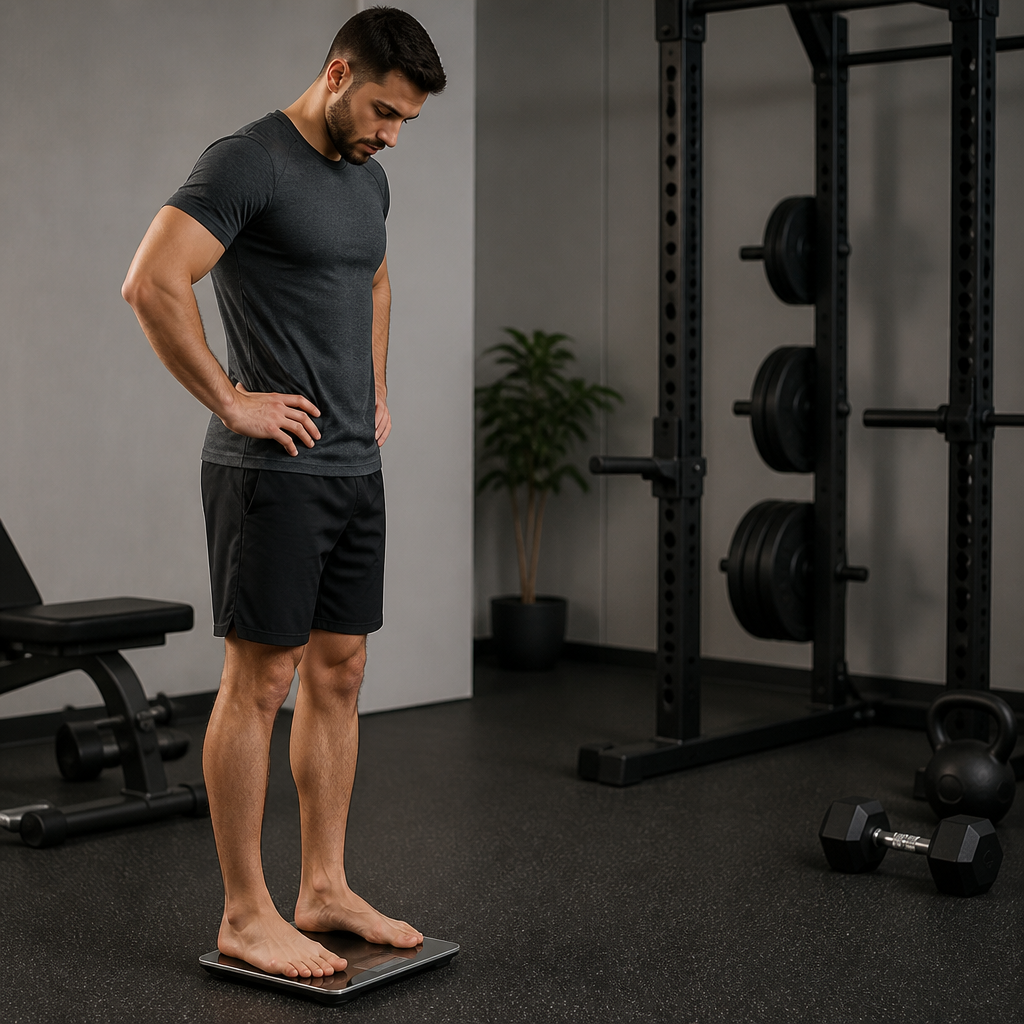
For decades, bathroom scales have served as the primary metric for health assessment, yet they tell an incomplete story. A person standing on a scale receives a single number that fails to distinguish between muscle mass, bone density, water retention, and adipose tissue. This limitation has significant implications for healthcare providers, athletes, and anyone monitoring their metabolic health. Body composition analysis offers a more nuanced approach to understanding physical wellness, revealing what lies beneath the surface number.
The Limitations of Scale Weight
Traditional scales measure gravitational pull on total body mass without context. Two individuals of identical weight and height can have vastly different health profiles. One may carry substantial lean muscle tissue with minimal visceral fat, while the other shows the inverse pattern. Weight fluctuates throughout the day based on hydration status, meal timing, and hormonal cycles, creating misleading day-to-day variations that obscure meaningful trends.
This becomes particularly problematic in clinical settings. A patient undergoing strength training may gain weight while simultaneously improving cardiovascular markers and reducing disease risk. Conversely, someone losing weight through muscle wasting during illness appears to be progressing positively according to scale measurements alone. Medical professionals increasingly recognize these scenarios require more sophisticated assessment tools.
How Advanced Body Composition Technology Works
Modern imaging technology employs low-dose radiation to differentiate tissue types throughout the body. The scan produces detailed cross-sectional images that allow precise quantification of bone mineral density, lean tissue mass, and fat distribution. The procedure takes approximately ten to twenty minutes and requires minimal patient preparation beyond removing metal objects and lying still on the scanning table.
The resulting data set provides measurements for distinct anatomical regions rather than whole-body averages. This regional specificity matters because fat stored around internal organs carries different health implications than subcutaneous deposits. Bone density measurements simultaneously screen for osteoporosis risk, making the assessment particularly valuable for postmenopausal women and individuals with malabsorption conditions.
Clinical Applications and Patient Populations
Endocrinologists use composition analysis when evaluating patients with metabolic syndrome, where visceral adiposity correlates more strongly with insulin resistance than total body weight. Oncologists monitor sarcopenia in cancer patients undergoing chemotherapy, as muscle preservation influences treatment tolerance and outcomes. Sports medicine practitioners track athletes recovering from injury to ensure rehabilitation programs rebuild strength rather than simply restoring pre-injury weight.
For residents of Abu Dhabi and international patients seeking comprehensive wellness assessment, facilities like Cleveland Clinic Abu Dhabi offer advanced diagnostic imaging services. Those searching for dexa scan near me can access multi-specialty centers that integrate body composition data with broader cardiovascular, digestive, and neurological care programs. The hospital’s imaging institute combines sophisticated technology with subspecialty expertise across more than fifty medical fields.
Interpreting Results and Setting Realistic Goals
Raw scan data requires contextualization against age-matched and sex-matched reference ranges. A body fat percentage considered healthy for a fifty-year-old woman differs substantially from optimal ranges for a twenty-five-year-old male athlete. Bone density scores use T-scores and Z-scores that compare individual measurements against peak bone mass and age-matched populations respectively.
Healthcare providers emphasize that composition changes occur more slowly than scale weight fluctuations. Meaningful shifts in lean mass typically require eight to twelve weeks of consistent resistance training and adequate protein intake. Fat mass reduction depends on sustained caloric deficits, but the rate varies based on individual metabolic factors and hormonal status. Setting quarterly rather than weekly assessment intervals prevents discouragement from normal biological variation.
The Role of Healthcare Infrastructure
Access to advanced diagnostic imaging depends on regional healthcare investment and institutional priorities. Recent evaluations have recognized multiple Abu Dhabi hospitals for specialized care quality, reflecting the emirate’s commitment to medical excellence. This infrastructure supports not only diagnostic capabilities but also the multidisciplinary teams needed to translate imaging findings into actionable treatment plans.
The integration of body composition analysis with electronic health records enables longitudinal tracking and population health research. Aggregated data helps identify demographic patterns in bone density decline or sarcopenic obesity prevalence, informing public health initiatives and preventive care strategies.
Practical Considerations for Patients
Most insurance plans cover composition scans when ordered for specific medical indications such as osteoporosis screening in high-risk populations or body composition assessment in endocrine disorders. Wellness scans without documented clinical necessity typically fall outside coverage parameters. Patients should verify authorization requirements before scheduling to avoid unexpected costs.
Preparation instructions vary slightly between facilities but generally include avoiding calcium supplements for twenty-four hours prior and wearing clothing without metal fasteners. The scan itself involves no injections or contrast agents, though pregnant women should postpone non-urgent assessments due to radiation exposure concerns.
Integration with Broader Wellness Strategies
Body composition data becomes most valuable when incorporated into comprehensive care plans. A scan revealing low bone density prompts discussions about calcium intake, vitamin D status, and weight-bearing exercise protocols. Elevated visceral fat measurements trigger cardiovascular risk stratification and dietary counseling. The numbers themselves matter less than the clinical decisions they inform.
Modern healthcare increasingly relies on coordinated care delivery models that balance technology with human expertise, ensuring diagnostic advances translate into improved patient outcomes. Whether through in-person consultations or remote monitoring systems, the goal remains consistent: moving beyond superficial metrics toward meaningful health optimization.
Moving Forward With Evidence-Based Assessment
The shift from scale-based tracking to composition analysis represents a maturation of health monitoring practices. While bathroom scales remain useful for detecting rapid changes that might indicate fluid retention or acute illness, they cannot replace detailed tissue-level assessment for serious metabolic evaluation. Patients working with endocrinologists, bariatric specialists, or sports medicine physicians should expect composition tracking as a standard component of care.
As imaging technology becomes more accessible and affordable, baseline composition scans may eventually become routine in preventive medicine, much like cholesterol panels or blood pressure monitoring. Until then, individuals with specific risk factors or performance goals should discuss whether detailed body composition analysis would meaningfully inform their care strategy. The conversation starts not with what the scale shows, but with what lies beneath.