
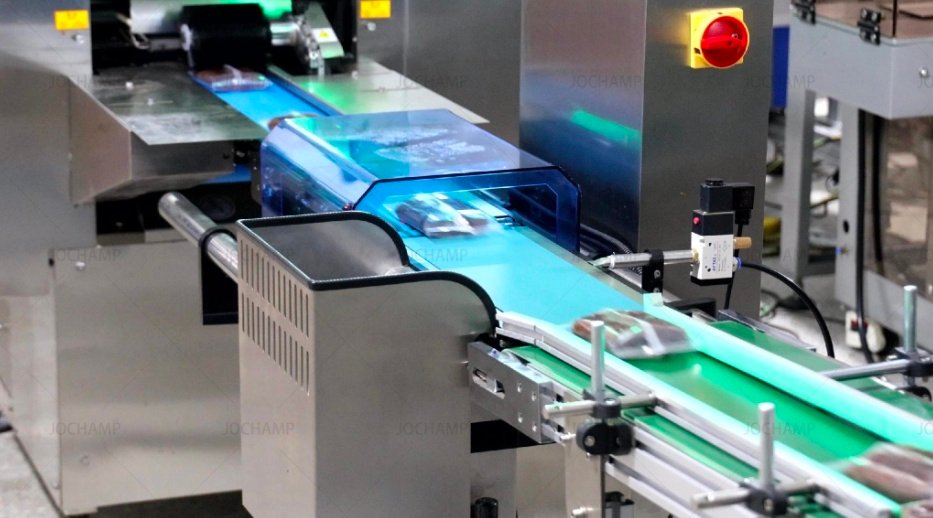

Shisha tobacco reaches shops in neat, sealed packs, but getting it there takes a chain of specialised equipment. A shisha machine is any machine in that chain that handles shisha tobacco — mixing it, cutting it, filling it into pouches or cartons, and sealing the finished pack so it stays fresh.
The company behind this equipment, Shishapack, is part of Jochamp Machinery, a Chinese maker that has built tobacco machinery since 2005. Its range covers the whole production line, from the first handling of the tobacco leaf to the final carton. The shisha machine is therefore not one device but a family of machines that work together in a factory.
Processing the tobacco first
Before any packing happens, the tobacco has to be prepared. Machines mix the tobacco with molasses and flavouring, cut the leaf to the right size, and move it through the line in steady, measured amounts. Getting this stage right matters, because the consistency of the mix decides how the finished product looks and smokes.
Equipment such as tobacco mixing machines, cutting machines and leaf dispersers handle this work. A shisha machine at this stage replaces slow hand work with a repeatable process, so every batch comes out the same. For a factory, that consistency is the difference between a product customers trust and one they do not.
Filling and packing the product
Once the tobacco is prepared, filling machines measure it into pouches, tubs or cartons. The amounts vary: some lines pack small 100-gram portions, others handle larger 250-gram packs. The machine has to weigh accurately and quickly, since even a small error repeated thousands of times a day adds up to wasted product or unhappy customers.
After filling comes sealing, labelling and cartoning. Flow-pack machines wrap individual portions, cartoning machines fold boxes around them, and labelling machines add the printed details. A shisha machine at this stage is judged on speed and reliability, since a line that stops often costs far more than a line that runs steadily.
The finishing touches that protect the pack
The last steps are the ones a buyer actually sees. Cellophane overwrapping keeps the pack sealed and tamper-evident. Tax stampers apply the duty stamps that many markets require. Checkweighers weigh every finished pack and reject any that fall outside the set range, so nothing underweight reaches a shop shelf.
These finishing machines may look less important than the filling line, but they protect the brand. A pack that arrives torn, unstamped or underweight creates problems with retailers and regulators alike. Good finishing equipment is what turns a filled pouch into a product that is ready to sell.
- Mixing and cutting machines that prepare the tobacco evenly
- Filling machines that weigh each portion accurately
- Cartoning and flow-pack machines that form the finished pack
- Checkweighers and stampers that guard quality and compliance
Why a full line beats separate machines
A factory can buy machines one at a time, but a matched line works better. When the mixing, filling, cartoning and finishing machines come from one maker, they are built to run at the same speed and feed into each other without jams or bottlenecks. That coordination is hard to achieve when equipment comes from several different suppliers.
The shisha machine is best understood this way: not as a single box, but as a production system. The leaf goes in at one end, the finished, sealed and stamped pack comes out at the other, and every machine in between has one job to do well. When each job is done properly, the whole line runs smoothly.
What to look for in a machine supplier
A packing line is a long-term purchase, so the supplier matters as much as the machine. Look for a maker with real experience in tobacco machinery — one that has been building this equipment for years and can show complete lines running in factories, not just single machines in a catalogue. Experience shows up in the details: the way a machine handles a jam, or how easily it changes over between pack sizes.
Support matters too. A supplier should offer installation help, spare parts and someone to call when the line stops. Ask who provides that support and how quickly parts can reach you. A machine from a maker that answers the phone is worth more than a slightly cheaper one from a seller you never hear from again.
Shisha production looks simple from the outside, but it depends on a long line of specialised machines working in step. Mixing, cutting, filling, cartoning and finishing each have their own equipment, and each stage affects the quality of the pack that reaches the shop. Understanding that chain is the first step toward choosing the right equipment for a factory.