
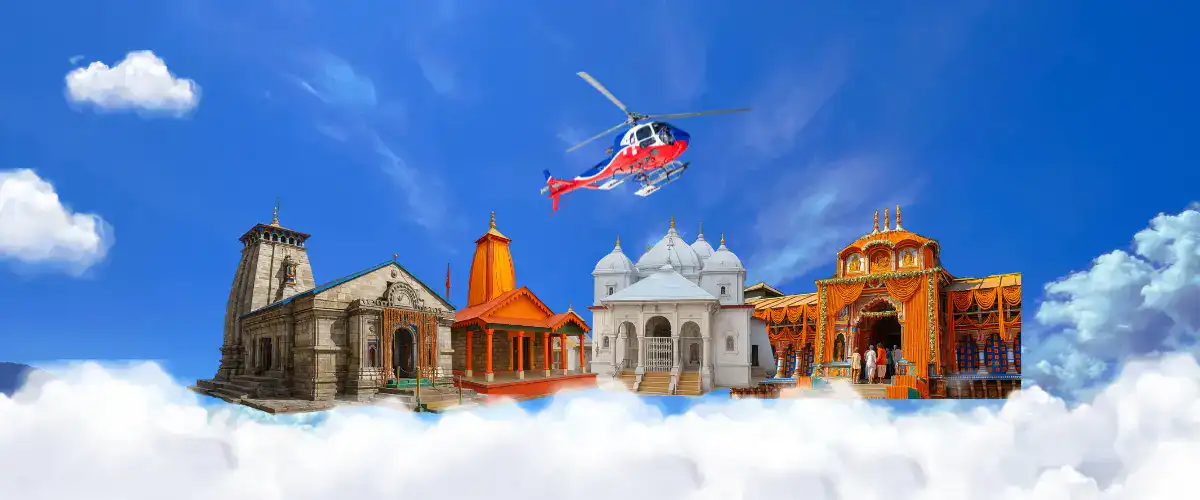

The spiritual quest for salvation takes a sophisticated turn with the char dham yatra package from delhi by helicopter, offering a seamless blend of ancient tradition and modern convenience. For many devotees, the rugged terrain of the Uttarakhand Himalayas presents a physical challenge that can hinder the deep meditative focus required for such a holy pilgrimage. By opting for an aerial route, pilgrims can bypass the grueling road journeys and long trekking paths, ensuring that their energy is entirely dedicated to prayer and darshan. Starting from the capital city, this specialized journey provides a swift transition from the bustling urban landscape to the serene, snow-capped peaks where the four most sacred shrines of Hinduism reside.
The Significance of the Four Dhams in Hindu Tradition
The circuit consisting of Yamunotri, Gangotri, Kedarnath, and Badrinath is considered the ultimate spiritual odyssey for any Hindu. Each site holds a unique place in Vedic history. Yamunotri, the seat of Goddess Yamuna, marks the beginning of the purification process. Gangotri is where the holy Ganges descended to earth through the locks of Lord Shiva. Kedarnath stands as one of the twelve Jyotirlingas, symbolizing the eternal presence of the destroyer of ego. Finally, Badrinath serves as the abode of Lord Vishnu, representing the preservation of the universe. Visiting these four sites in a single journey is believed to cleanse the soul of past karmas and pave the way for Moksha.
Why Choose a Helicopter for Your Pilgrimage
Time and physical stamina are the two biggest constraints for travelers visiting the high-altitude shrines. A traditional road trip can take up to 12 days, involving long hours of driving on winding mountain roads. In contrast, an aerial package condenses this experience into 5 or 6 days. This is particularly beneficial for senior citizens and families who may find the high-altitude atmosphere and steep climbs taxing. The aerial view of the Himalayan ranges, including the deep valleys of Mandakini and the peaks of Chaukhamba, adds a breathtaking dimension to the religious experience that road travelers often miss.
Detailed Itinerary: From Delhi to Dehradun
The journey typically begins with a transfer from Delhi to Dehradun, the gateway to the Garhwal Himalayas. Most helicopter operators provide a night of rest in Dehradun to help passengers acclimatize to the change in altitude and participate in a pre-briefing session.
- Day 1: Arrival in Dehradun and hotel check-in.
- Day 2: Flight from Sahastradhara Helipad to Kharsali (Yamunotri).
- Day 3: Aerial transfer from Kharsali to Harsil (Gangotri).
- Day 4: Flight to Sersi or Phata, followed by a shuttle to Kedarnath.
- Day 5: Transfer to Badrinath for the final darshan.
- Day 6: Return flight to Dehradun and subsequent departure.
Yamunotri: The First Step Toward Purity
Upon arriving at the Kharsali helipad, the journey to the Yamunotri temple begins. While others might spend hours trekking the 6-kilometer uphill path, helicopter passengers are often provided with Palki or Pony services included in their package. The temple, situated at an altitude of 3,293 meters, is famous for the Surya Kund hot springs where pilgrims cook rice as an offering. The silver idol of Goddess Yamuna, draped in bright robes, offers a sense of tranquility that stays with you throughout the circuit.
Gangotri: The Source of the Holy Ganges
The flight to Harsil is often described as one of the most beautiful segments of the trip. Harsil is a picturesque valley filled with apple orchards and dense deodar forests. From the Harsil helipad, a short drive takes you to the Gangotri temple. The white marble structure stands against the backdrop of the Bhagirathi peaks. Participating in the Ganga Aarti here, as the sun sets over the river, is a highlight of the spiritual journey. The water here is crystal clear, originating from the Gaumukh glacier, and a holy dip is considered essential for spiritual cleansing.
Kedarnath: The Abode of Lord Shiva
Kedarnath is perhaps the most challenging and rewarding part of the circuit. Located at 3,583 meters, it is surrounded by towering mountains and the Mandakini river. The helicopter lands at nearby bases like Phata or Sersi, from where a smaller shuttle helicopter takes you directly to the Kedarnath helipad, located just a few hundred meters from the temple. VIP darshan passes, which are standard in these packages, allow devotees to skip the massive queues and spend more time in the presence of the divine Shiva Lingam.
Badrinath: The Final Abode of Vishnu
The last leg of the yatra brings you to Badrinath, nestled between the Nar and Narayan mountain ranges. The temple is famous for its vibrant architecture and the Tapt Kund hot springs. After the main darshan, travelers often visit Mana Village, the last Indian village before the border with Tibet. This village is steeped in mythology, being the place where Ved Vyas is said to have composed the Mahabharata. The peaceful atmosphere of Badrinath provides the perfect conclusion to the intense spiritual journey.
Essential Packing List for High Altitudes
Traveling to the Himalayas requires careful preparation, especially when weight limits for helicopters are strictly enforced—usually around 5 kg per person.
- Clothing: Layering is key. Carry light woolens for the day and a heavy jacket for the cold nights at Kedarnath and Badrinath.
- Footwear: Sturdy, non-slip walking shoes are a must for moving around the temple complexes.
- Medicines: Carry basic first aid, along with prescriptions for altitude sickness and any personal medications.
- Documentation: Government-issued ID cards and Yatra registration permits are mandatory for all passengers.
Best Time to Plan Your Aerial Journey
The window for the yatra is limited due to the harsh Himalayan winters. The temples usually open in late April or early May (around Akshaya Tritiya) and close in November.
- Pre-Monsoon (May to June): This is the peak season with clear skies and pleasant weather, though it is also the most crowded.
- Post-Monsoon (September to October): The landscape is lush green after the rains, and the air is crisp. This is often considered the best time for photography and peaceful darshan.
Health and Safety Considerations
Safety is the primary concern for helicopter operations in the mountains. Flights are strictly weather-dependent. If the visibility is low or winds are too high, departures may be delayed. Passengers are advised to keep a buffer day in their itinerary to accommodate these potential weather changes. Additionally, because the altitude increases rapidly during flight, staying hydrated and eating light meals is crucial to avoid symptoms of Acute Mountain Sickness (AMS).
Understanding Package Inclusions and Pricing
A standard helicopter package is comprehensive, designed to provide a “tours and transfers” experience without the stress of logistics.
- Transport: Helicopter transfers between all Dhams and ground transport in luxury vehicles.
- Accommodation: Comfortable stays in the best available hotels or resorts at each destination.
- Meals: All vegetarian meals (with Jain options often available).
- Special Services: VIP Darshan slips, Palki/Pony arrangements, and local sightseeing guides. Prices typically range based on the level of luxury and the specific dates of travel, reflecting the high operational costs of maintaining mountain-ready aircraft.
Local Sightseeing Beyond the Temples
While the four main temples are the focus, the Himalayan region offers several other sacred and natural sites. In Gangotri, the Bhagirathi Shila is a significant spot. In Kedarnath, a visit to the Triyuginarayan Temple—the site of the celestial wedding of Shiva and Parvati—is often included. Near Badrinath, the Vasudhara Falls and the Bheem Pul provide spectacular natural views and mythological connections that enrich the overall experience.
Digital Registration and Government Guidelines
Before starting the journey, every pilgrim must register through the official Uttarakhand Tourism portal. This digital tracking is essential for safety and crowd management. Helicopter operators usually assist with this process, ensuring that all biometrics and medical clearances are in order. Following the government’s guidelines regarding plastic use and environmental preservation is also a responsibility shared by every traveler visiting this delicate ecosystem.
Booking Your Experience
Securing a seat on a helicopter is a competitive process, as slots are limited and demand is exceptionally high. It is advisable to book at least 3 to 4 months in advance. Reputable operators ensure transparency in pricing and provide clear terms regarding cancellations and weather-related refunds. By choosing the char dham yatra package from delhi by helicopter, you invest in a journey that respects both your time and your spiritual devotion. The ease of travel allows you to focus on the hymns, the rituals, and the profound silence of the peaks, making the pilgrimage a truly transformative life event.
Conclusion: A Divine Journey Awaits
Completing the sacred circuit is a milestone for many, signifying a deep connection with the roots of Indian spirituality. The convenience of starting your chardham yatra package from delhi ensures that the logistical hurdles of the past no longer stand between a devotee and their faith. Whether you are traveling for religious reasons or to find peace amidst the grandeur of nature, this journey provides an unparalleled sense of fulfillment. As you return to the plains, the memories of the morning aarti in the mountains and the pristine air of the high altitudes serve as a lasting blessing for the year ahead.