
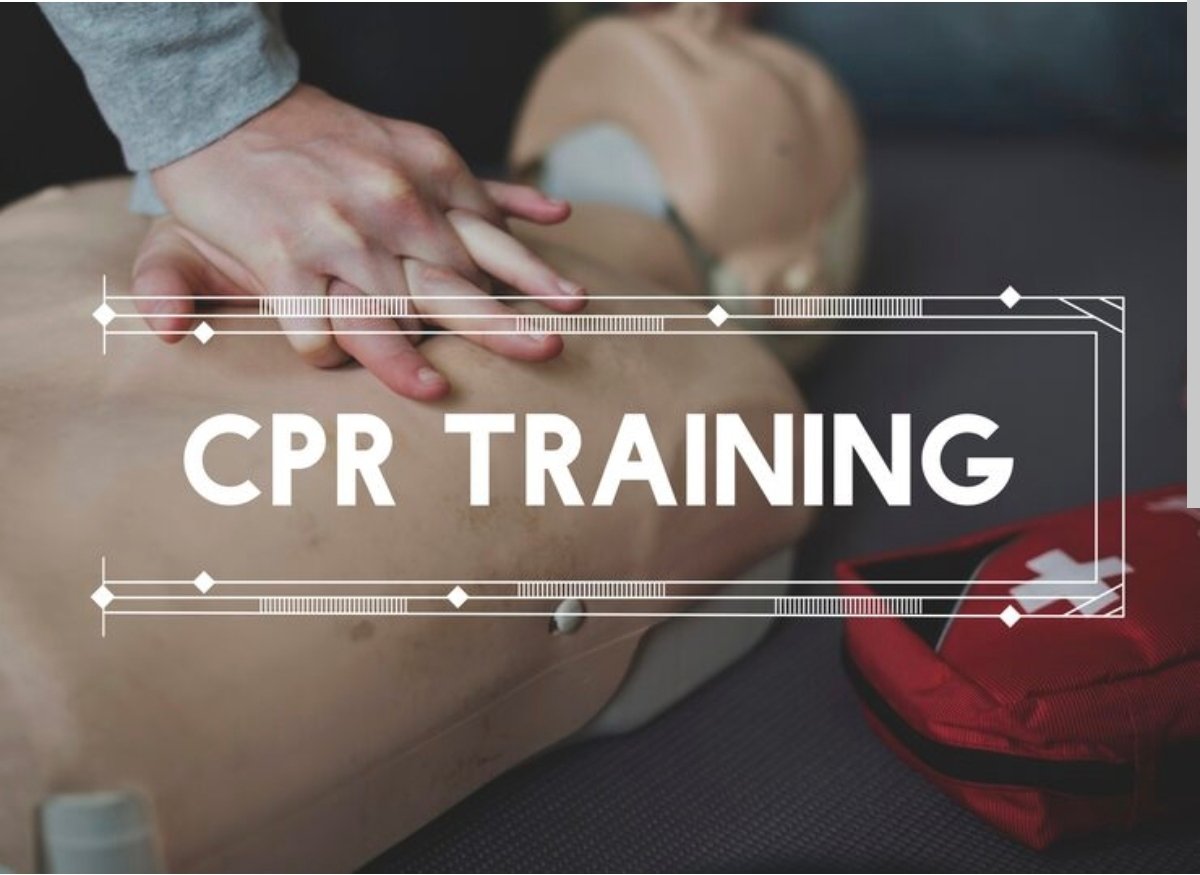

Personal responsibility is often described as the willingness to take ownership of one’s actions, decisions, and contributions to society. While this quality can be developed through many life experiences, CPR training classes offer a unique pathway toward building a stronger sense of accountability and preparedness. Beyond learning emergency response techniques, participants often gain a deeper understanding of how their actions can influence the well-being of others.
CPR training is not simply about acquiring knowledge. It is about developing the confidence, awareness, and commitment needed to respond effectively when circumstances demand action.
Understanding The Meaning Of Responsibility
Responsibility involves more than fulfilling obligations at work or home. It also includes being prepared to assist others when unexpected situations arise. CPR training introduces participants to the idea that ordinary individuals can play an important role during emergencies.
Rather than assuming that help will always come from someone else, participants learn the value of being ready to contribute when needed. This shift in perspective often encourages people to take a more active approach to safety and preparedness.
As a result, training can become an important step in personal growth and self-development.
Recognising The Importance Of Preparation
One of the key lessons taught in CPR classes is that preparation matters. Emergencies often occur without warning, and having prior knowledge can make a significant difference in how people respond.
Individuals who attend a first aid course Perth frequently discover that preparedness is not limited to emergencies. The mindset developed through training can encourage better planning, improved awareness, and a greater willingness to learn practical life skills.
Preparation becomes a habit that influences everyday decision-making and supports a more responsible approach to challenges.
Building Confidence Through Learning
Confidence is closely connected to responsibility. People who feel prepared are often more willing to step forward and assist when situations require action. CPR training helps build this confidence by providing practical instruction and opportunities to practice essential skills.
Participants learn how to assess situations, follow procedures, and remain focused under pressure. Through repetition and hands-on experience, they become more comfortable applying what they have learned.
This confidence can carry over into many aspects of life, helping individuals approach responsibilities with greater assurance and determination.
Developing A Greater Awareness Of Others
Personal responsibility also involves recognising the needs of those around us. CPR training encourages participants to become more aware of their environment and the well-being of others.
People who complete CPR training Perth programs often gain a stronger appreciation for the importance of observation and attentiveness. They learn to recognise situations where assistance may be needed and understand how timely action can make a positive difference.
This heightened awareness helps foster empathy and encourages individuals to take a more active role within their communities.
Encouraging Accountability In Everyday Life
The lessons learned in CPR training often extend beyond emergency response. Participants may become more committed to maintaining safety standards, following procedures, and staying informed about important skills.
These habits reflect a broader sense of accountability that can benefit workplaces, families, and social environments. People who embrace responsibility are often more dependable and proactive in addressing challenges before they become larger problems.
The training process reinforces the idea that personal responsibility involves continuous learning and improvement.
Supporting Community Strength
Communities become stronger when individuals are willing to contribute positively to the well-being of others. CPR training helps create this mindset by demonstrating that preparedness is a shared responsibility.
Organisations such as Fast First Aid provide educational opportunities that help individuals develop practical skills while encouraging greater community awareness. As more people participate in training, communities benefit from a growing number of individuals who are prepared to assist when needed.
This collective commitment to readiness helps strengthen social connections and promotes a culture of support.
Turning Knowledge Into Action
Knowledge alone has limited value if it is never applied. CPR training emphasises the importance of translating learning into meaningful action. Participants are encouraged to think about how they can use their skills responsibly and effectively.
This focus on action reinforces personal responsibility because it reminds individuals that preparation is most valuable when it leads to positive outcomes.
The willingness to act when necessary reflects both confidence and commitment to helping others.
Conclusion
CPR training classes offer much more than technical instruction. They support the journey toward personal responsibility by encouraging preparedness, awareness, confidence, and accountability. Through practical learning experiences, participants gain skills that can benefit not only themselves but also their families, workplaces, and communities. By embracing the lessons taught through CPR education, individuals develop a stronger sense of responsibility and a greater commitment to making a positive difference when it matters most.