
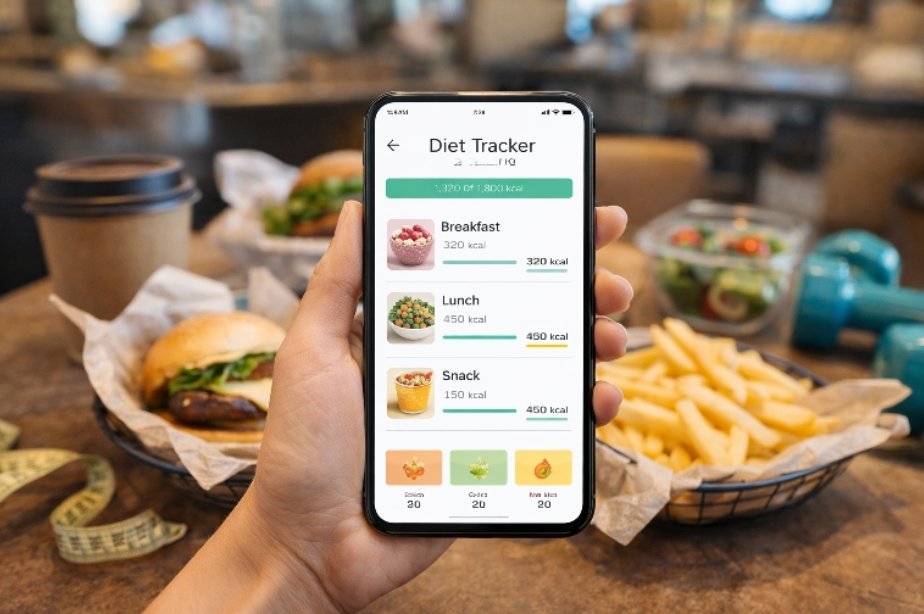
Why Busy People Skip Meal Planning
Busy schedules leave little time for planning meals. You rush from work to home and grab what is fast. This leads to skipped meals or poor food choices. Stress also plays a role. When your mind is tired, food planning feels like extra work. Over time, this habit affects energy levels and weight control. You need a system that works without long prep time.
How Diet Tracking Apps Save Time
Diet tracking apps remove the need for full meal plans. You log what you eat instead of planning days ahead. This takes a few seconds per meal. Many apps store common foods and recent entries. You tap once and move on. Some apps scan barcodes, which saves more time. This makes tracking realistic for people who work long hours or travel often.
Quick Meal Logging Features That Matter
Speed matters more than detail when you feel busy. The best tools focus on fast input. Search tools help you find foods in seconds. Voice input helps when your hands are full. Favorites lists help when you repeat meals. Portion sliders reduce typing. These features turn tracking into a daily habit instead of a task you avoid.
Using diet tracking apps with these tools helps you stay aware of what you eat without slowing your day.
Smart Food Suggestions for Tight Schedules
Many apps suggest foods based on your past entries. This helps when you do not know what to eat. They may show quick options like fruit, yogurt, or eggs. Some apps suggest meals with fewer calories or more protein. These tips guide better choices without forcing strict rules. You still eat what you like, but with more control.
This support helps during busy lunch breaks or late dinners. You avoid random snacks because the app reminds you of better options.
Managing Calories Without Full Meal Prep
You do not need to cook every meal to manage calories. Tracking helps you see patterns. You learn which foods keep you full longer. You see which snacks add extra calories. Over time, you adjust without stress.
For example, you may notice that soda adds more calories than expected. You may swap it for water or juice. Small changes like this make a big difference. Tracking gives you facts instead of guesses.
Staying Consistent With Daily Tracking
Consistency matters more than perfection. Missing one day does not ruin progress. What matters is returning the next day. Set reminders to log meals. Link tracking with habits like breakfast or dinner. Keep your phone nearby when you eat.
Some people stop tracking because they feel judged by numbers. A better mindset is awareness, not punishment. Use data to learn, not to blame yourself. This keeps motivation steady.
Choosing the Right Diet Tracking App for Your Routine
Not every app fits every lifestyle. Choose one that matches your schedule. And If you travel, look for offline logging. If you eat out often, choose one with restaurant foods. If you like simple tools, avoid apps with too many features.
Look for clear charts and daily summaries. These help you understand your intake in seconds. The goal is ease, not pressure.
Diet tracking apps work best when they feel like a helper, not a rule book. They support busy people who skip meal planning by turning food choices into small daily actions. You do not need perfect meals. You need steady awareness. This is how tracking supports long term health without changing your entire routine.
FAQs
What are diet tracking apps and how do they help busy people?
Diet tracking apps record what you eat each day. You log meals in seconds. This helps you see calorie intake and food patterns without planning meals in advance.
Do I need to log every meal to get results?
No. Logging most meals is enough. Regular tracking builds awareness. Even partial tracking helps you notice habits and make better choices.
Can diet tracking apps work if I eat out often?
Yes. Many apps include restaurant foods and common meals. You can search or scan items. This keeps tracking simple even when you do not cook.
Will using diet tracking apps take too much time?
No. Most entries take under one minute. Saved foods and favorites make logging faster over time. The goal is quick use, not detailed planning.
Are diet tracking apps better than meal planning for busy users?
For busy users, yes. Meal planning needs time and preparation. Diet tracking apps focus on what you already eat. This fits unpredictable schedules and reduces stress.
Read More: Renweb.it.com