
Table of Contents
- Understanding Community Resilience
- Investing in Resilient Infrastructure
- Enhancing Social Cohesion
- Implementing Green Infrastructure
- Prioritizing Equitable Recovery
- Leveraging Technology for Risk Assessment
- Strengthening Building Codes
- Final Thoughts
Severe storms can bring destruction and uncertainty to neighborhoods, forcing residents and officials alike to face difficult challenges. Yet, with strategic preparation and decisive action, communities can recover after these devastating events and become even stronger for the future. If your area has been impacted by a storm and you need immediate support in restoring your property and safeguarding your community, click here for reliable storm recovery and restoration services.
From advanced infrastructure planning and social support to green interventions and updated regulations, every facet of a recovery plan plays a critical role. As cities increasingly confront more frequent and intense storms, these lessons in resilience are not only invaluable but necessary for sustained prosperity.
By examining real-world examples and expert recommendations, communities can learn how to lay foundations that withstand future storms more effectively. As the climate continues to evolve, creating a culture of preparedness and equitable recovery means everyone has a fair chance to rebuild and thrive.
Understanding Community Resilience
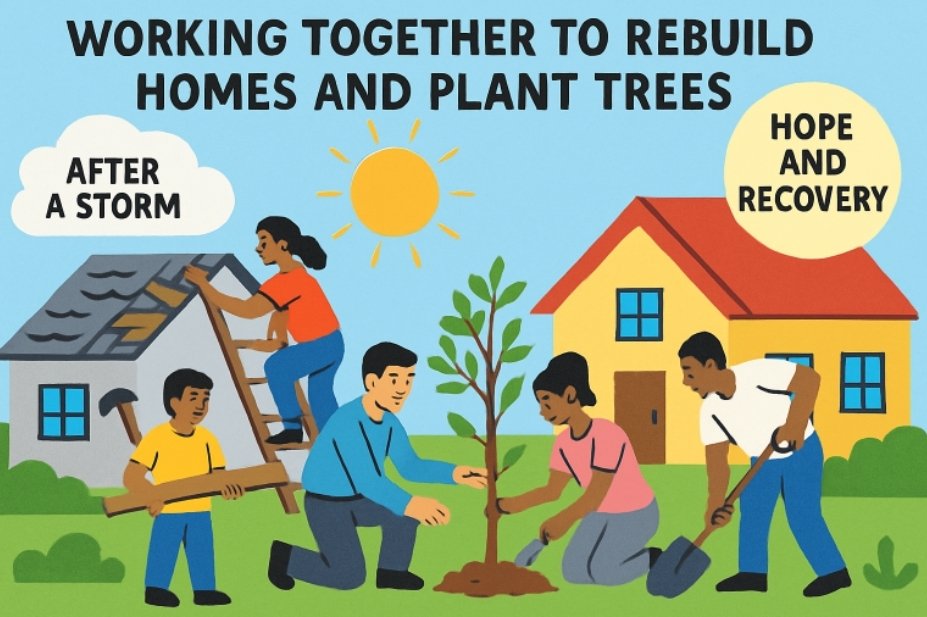
Community resilience is the collective ability to prepare for, respond to, and recover from natural disasters like severe storms. It means more than rebuilding structures. It includes strengthening relationships, adapting to new risks, and ensuring that future disruptions can be managed more effectively. Communities that foster resilience place a high value on coordinated emergency plans, robust infrastructure, and mutual support systems within neighborhoods.
Leadership, access to information, and proactive engagement with residents are keys to nurturing this resilience. When communities embrace these qualities before disaster strikes, they can minimize long-term damage and promote quicker recoveries. High levels of resilience also ensure that vulnerable groups are supported during emergencies and that recovery is sustainable.
Investing in Resilient Infrastructure
Modern infrastructure built with resilience in mind provides the backbone for disaster recovery and future prevention. For example, Babcock Ranch in Florida was thoughtfully designed to endure powerful storms, using underground electrical lines, renewable energy, and smart water drainage systems. During Hurricane Ian, this town suffered minimal disruptions, demonstrating the effectiveness of investing in long-term, forward-thinking solutions. Such approaches are increasingly gaining traction as climate change brings new risks to urban and suburban environments.
Enhancing Social Cohesion
Strong communities are built not only on physical infrastructure but on the social bonds that connect people. In the Midcoast region of Maine, the Social Resilience Project was developed following damaging storms to strengthen connections between residents and local leaders. Through conversation, resource-sharing initiatives, and collaborative planning, communities reported improved communication and faster responses to future crises. Social cohesion does not just help in emergencies; it also plays a central role in recovery, allowing neighbors to support each other and share critical resources when they are most needed.
Implementing Green Infrastructure
Nature-based solutions are increasingly being adopted to support recovery and risk reduction. After Superstorm Sandy, New York City prioritized restoring oyster beds and other green infrastructure, which helped buffer the impact of future floods and storm surges. These initiatives illustrate how environmental restoration works as a dual-purpose solution, protecting communities while revitalizing local habitats. Green infrastructure is an evolving field that balances ecological health with urban safety. According to National Geographic, such strategies also offer long-term cost savings and public health benefits.
Prioritizing Equitable Recovery
One of the most critical lessons from past disasters is that vulnerable populations, including the elderly, low-income families, and disabled individuals, are often disproportionately affected by storms and their aftermath. Equitable recovery programs strive to close these gaps by ensuring that aid, restoration resources, and planning efforts reach everyone. Studies of major hurricanes show that targeted outreach, local participation, and inclusive decision-making can dramatically shorten recovery timelines and improve community morale. Policymakers increasingly recognize the importance of tackling inequality as part of any resilient recovery effort.
Leveraging Technology for Risk Assessment
Technology is transforming how cities understand and manage disaster risks. Tools such as machine learning and data analytics enable emergency managers to model infrastructure vulnerabilities, forecast storm impacts, and direct aid where it is most needed. Real-time data collection supports quicker, more accurate decision-making, while integrated communication platforms ensure residents receive timely alerts and instructions. As more communities adopt these digital solutions, they gain a scalable way to strengthen preparedness and foster smarter recovery strategies.
Strengthening Building Codes
Building codes tailored to local hazards offer a cost-effective way to protect lives and property. After devastating storms, many communities update their codes to require impact-resistant materials, elevated structures, and flood-resistant construction techniques. These changes have been shown to reduce future destruction significantly and shorten recovery periods. Regularly reviewing and strengthening building standards ensures new development keeps pace with evolving risks, from stronger hurricanes to increased flooding. The Federal Emergency Management Agency (FEMA) provides guidance and resources to help communities strengthen their construction standards and stay protected.
Final Thoughts
Resilient communities are built over time through integrated efforts spanning infrastructure upgrades, social engagement, and ongoing risk assessment. By investing in these pillars of resilience, areas impacted by severe storms can recover more swiftly and prepare for the uncertainties ahead. Ultimately, a proactive, inclusive, and science-based approach helps communities not just survive but grow stronger and more unified with every challenge they face.