
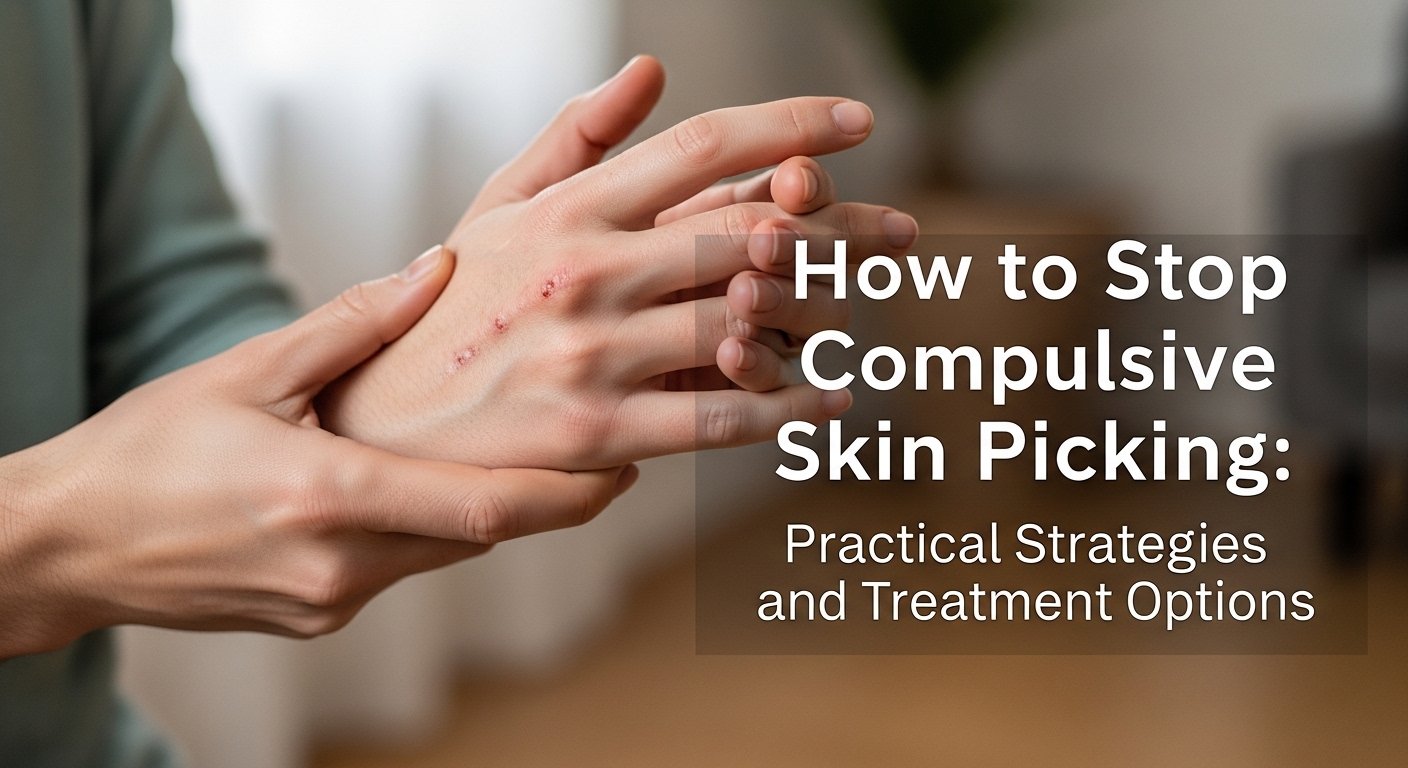
You’re not alone if picking feels automatic or impossible to stop. You can learn simple, practical tools to interrupt the urge, protect your skin, and reduce harm while you build longer-term strategies for change. Start with small, specific steps—barriers, sensory substitutes, and basic self-care—that immediately lower the chance of picking and let you regain control.
This article How to Stop Compulsive Skin Picking breaks down why the behavior persists, how it affects your skin and mood, and which evidence-informed tactics work best so you can pick less and heal more. Expect clear, actionable methods you can try right away and ways to know when to seek extra support.
Understanding Compulsive Skin Picking
Compulsive skin picking is a repetitive behavior that damages skin and often occurs alongside strong urges, emotional triggers, and patterns you can learn to recognize. You will find clear definitions, typical causes, and practical signs that distinguish occasional picking from a disorder.
What Is Compulsive Skin Picking
Compulsive skin picking (dermatillomania or excoriation disorder) is a mental-health condition where you repeatedly pick at healthy or slightly damaged skin, causing lesions, scabs, or persistent wounds. The behavior is more than a bad habit when you feel unable to stop, have made repeated attempts to quit, or the picking causes significant distress or impairs work, school, or relationships.
Diagnosis typically requires that picking is driven by urges or tension followed by relief, or by persistent attempts to suppress the behavior. It sits in the same family as other body-focused repetitive behaviors (BFRBs) and is often related to obsessive-compulsive disorder (OCD), though it can occur on its own.
Common Causes and Triggers
Triggers for your skin picking fall into emotional, environmental, and neurological categories. Emotional triggers include stress, anxiety, boredom, and feelings of tension that picking temporarily relieves. Environmental triggers include mirror use, harsh lighting that makes flaws more visible, long idle periods, or textured skin surfaces that draw your attention.
Neurologically, picking can involve your brain’s reward loop: performing the behavior reduces discomfort and reinforces repetition. Genetics and family history of BFRBs or OCD increase risk. Medical factors such as dry skin, acne, or sensory sensitivity can also make you more likely to pick.
Identifying Symptoms and Patterns
Recognize compulsive picking by specific, recurring signs. Look for persistent skin damage: open sores, scabs, scarring, or infections in areas you frequently touch (face, arms, scalp, cuticles). The damage often has irregular borders and appears in clusters of repeated trauma.
Observe behavioral patterns: picking after checking skin in a mirror, during idle tasks (watching TV), or in response to anxiety. Note the internal experience—intense urge, focus on perceived imperfections, and temporary relief afterward. Track frequency, duration, and contexts; patterns such as nightly sessions or picking when alone are common and useful for planning interventions.
Effective Strategies to Stop Compulsive Skin Picking
You will find practical steps to notice when picking happens, replace the behavior, manage emotions that trigger it, and get professional help when needed. The strategies below give concrete actions you can start using today.
Building Awareness and Tracking Behaviors
Start by tracking when, where, and why you pick. Use a small notebook or a phone note to log each episode: time, location, activity, mood, and intensity (1–10). Pattern spotting helps you identify triggers such as boredom, anxiety, or specific times of day.
Use a simple chart or table to record entries and review it weekly. Look for clusters (for example: evening, while watching TV, when stressed). Set brief alerts on your phone to prompt a mindfulness check-in during high-risk times.
Practice a quick body scan when you feel the urge. Pause, name the sensation (itchy, rough, anxious), and rate the urge for 30 seconds before touching your skin.
Implementing Behavioral Techniques
Replace direct contact with safe alternatives. Keep a kit of fidgets (stress ball, textured fabric, silicone ring) and use them when urges arise. Wear thin gloves, adhesive bandages, or a discreet covering over target areas to create a physical barrier.
Apply stimulus control: change routines that lead to picking. Rearrange your sleep or TV setup, use hand cream that requires rubbing, or keep nails trimmed and file them frequently. Use habit-reversal steps: recognize the urge, implement an incompatible response (clench fists, squeeze a ball), and reward yourself for minutes or hours without picking.
Set short, measurable goals (no picking during one evening) and reward progress. Use timers for delay tactics: if you wait 15 minutes and still feel compelled, reassess—many urges decline with time.
Addressing Emotional and Psychological Factors
Identify emotional triggers and build specific coping skills. When stress or shame precedes picking, practice brief grounding techniques: 5-4-3-2-1 sensory checks, paced breathing for two minutes, or a single muscle relaxation sequence. These reduce arousal quickly and are easy to do anywhere.
Develop alternative emotion regulation actions: journaling for five minutes, calling a supportive person, or doing a 10-minute walk. If perfectionism or self-criticism fuels picking, use targeted self-talk: list three nonjudgmental facts about the situation before you touch your skin.
Incorporate low-effort self-care to reduce baseline stress—consistent sleep, hydration, and at least two short movement sessions per day. These lower overall urge frequency and improve impulse control.
Seeking Professional Help and Support
Consider professional treatment when picking causes distress, scarring, or interferes with work or relationships. Cognitive-behavioral therapy with habit-reversal training (HRT) is evidence-based for excoriation disorder and focuses on awareness, competing responses, and stimulus control.
Ask a clinician about medication if comorbid anxiety, depression, or OCD symptoms are present; selective serotonin reuptake inhibitors (SSRIs) are sometimes used. Seek specialized therapists or dermatologists who understand dermatillomania for combined skin care and behavioral plans.
Join a peer support group or an online community with moderated forums. Share techniques, track progress, and use accountability check-ins. If you feel unsafe or severely depressed, contact crisis services immediately.
Read More: Renweb.it.com