
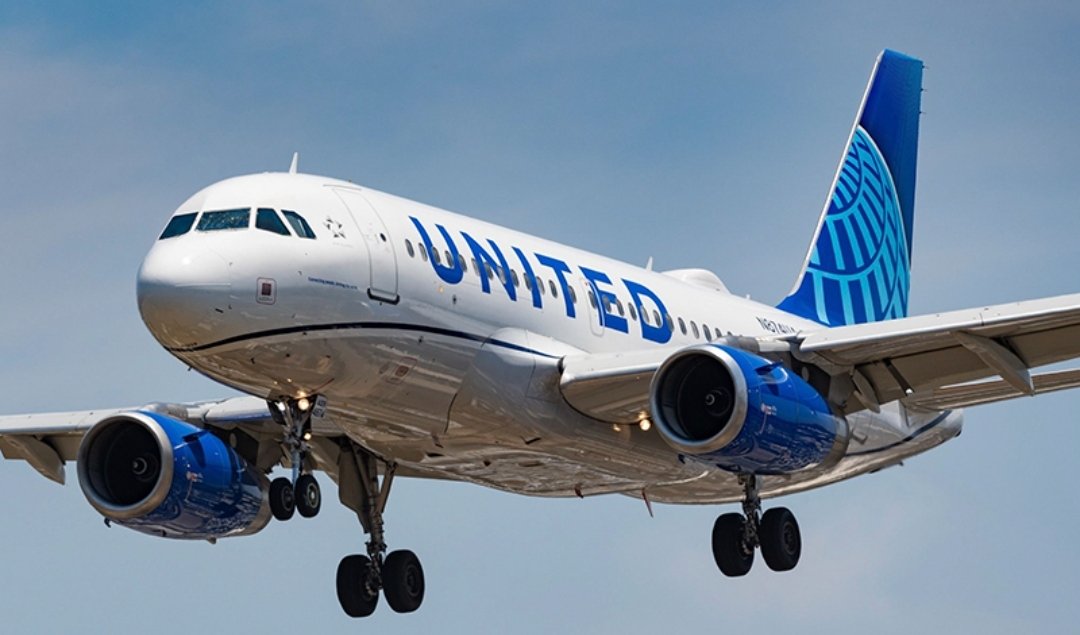
United Airlines Flight UA770 emergency diversion became a major topic for travelers and aviation fans this week. The flight faced an unexpected issue. The pilots made a quick decision. The crew handled the situation with care. The event reminds people why aviation safety matters every day.
What Was United Airlines Flight UA770?
United Airlines Flight UA770 is a regular passenger flight. It runs on a set route. It carries travelers, families, and workers. The flight is known for smooth service. It follows strict safety rules.
On the day of the emergency, the flight took off on time. The weather was clear. The aircraft was in normal condition. Passengers expected a normal journey. No one expected an emergency diversion.
The Moment Things Changed
During the mid-flight hours, something unusual happened. The crew noticed a problem. The issue needed fast attention. The pilots checked their systems. They followed safety steps. They made a strong decision.
The crew informed passengers. The tone was calm. The message was clear. The flight needed to divert. Safety came first.
United Airlines Flight UA770 emergency diversion was now in motion. The aircraft turned toward the nearest safe airport.
Why the Emergency Diversion Happened
The exact cause of the United Airlines Flight UA770 emergency diversion depends on the situation. Causes can include:
- A sudden technical issue
- A medical emergency
- A safety risk
- Smoke alerts
- Passenger illness
- Cabin pressure concerns
In most cases, airlines divert flights to protect lives. Pilots follow strict training. They react fast. They handle risk with skill.
United Airlines follows global safety rules. The diversion was a smart step. It kept everyone safe.
How Pilots Manage Emergency Diversions
Pilots train for years. They learn emergency steps. They learn how to stay calm.
During a diversion, pilots must:
- Inform air traffic control
- Change the flight path
- Follow safety checklists
- Prepare for landing
- Communicate with the crew
Each step is planned. Each step is tested.
The safety of passengers stays first.
The United Airlines Flight UA770 emergency diversion followed these steps. The crew acted with skill and control.
How the Cabin Crew Supported Passengers
Cabin crew play a major role. They manage emotions. They guide passengers. They keep calm.
During the diversion, the crew likely:
- Gave clear updates
- Helped with safety steps
- Supported stressed passengers
- Checked for medical needs
Good communication reduces fear. Calm service builds trust.
Passengers depend on the crew. The crew performs with strength.
Passenger Experience During the Diversion
Passengers felt surprised. Some felt fear. Some stayed calm.
But all passengers appreciated the safety steps. They understood the importance.
Many passengers shared later that clear updates help reduce stress.
Safety matters more than delays.
The United Airlines Flight UA770 emergency diversion showed the real value of trained crews and strong communication.
What Happens After a Diversion
After landing, the airline takes several steps.
These steps make sure the issue is handled. They also support passengers.
Typical actions include:
- Inspecting the aircraft
- Fixing the issue
- Giving passengers new flight plans
- Offering support or hotel stays if needed
- Managing luggage transfers
United Airlines works fast. They help passengers continue their journey.
The goal is comfort. The goal is care.
How Airlines Prepare for Emergencies
Airlines invest in training. They follow world safety rules.
They review aircraft conditions daily.
They update systems.
They monitor the weather.
Pilots go through repeated training.
Crew members learn how to act fast.
These steps protect passengers.
The United Airlines Flight UA770 emergency diversion shows the success of such training.
It shows the strength of airline safety programs.
Why Emergency Diversions Are Increasing
Modern travel is fast. More people fly. More routes exist.
As a result, diversions happen more often.
Reasons may include:
- Medical issues
- Technical signals
- Weather shifts
- Cabin concerns
Even with more diversions, flying remains safe.
Airlines follow strict rules.
Flights are checked again and again.
The event reminds travelers that diversions are normal.
They help prevent risk.
They save lives.
How Passengers Should React During a Diversion
Passengers can help.
They can stay calm.
They can listen to crew instructions.
They can secure seat belts.
Simple steps improve safety.
Clear minds reduce panic.
A diversion is not a failure.
It is a smart step.
It is a safety action.
The United Airlines Flight UA770 emergency diversion shows how passengers and crew work together.
The Role of Technology in Flight Safety
Modern aircraft use advanced systems.
They track data.
They detect issues early.
They send alerts to pilots.
These systems protect flights.
They help pilots avoid danger.
They guide emergency actions.
Technology played a strong role in Flight UA770.
It helped the crew make the right decision.
Media Attention After the Diversion
News outlets covered the event.
Many reports asked what happened.
They shared passenger stories.
They highlighted the crew’s skill.
These stories show the importance of safety.
They show why training matters.
They remind people that emergencies need fast action.
United Airlines responded with care.
Their team explained the situation.
Their quick action received positive reactions.
Conclusion
The United Airlines Flight UA770 emergency diversion shows the strength of modern aviation safety. It shows the skill of pilots. It shows the dedication of crew members. It shows how airlines protect lives every day.
Diversions can feel scary. But they are safe steps. They prevent danger. They save lives.
Passengers reached safety because the system worked. The crew acted fast. The pilots stayed calm.
This event reminds all travelers that safety is the heart of aviation.
A diversion is not a failure.
A diversion is a strong decision.
A diversion is a life-saving move.