
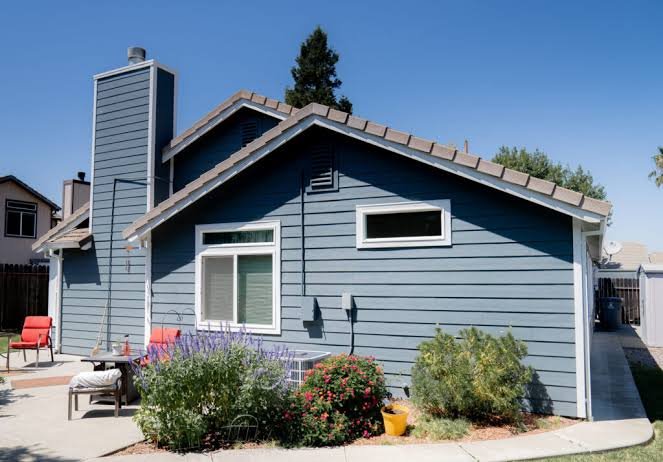

By about year twenty, the aluminum and wood siding on a 1970s Cedar Rapids ranch stops doing the one job it was hung to do. Homeowners who finally call siding contractors cedar rapids ia tend to arrive with the same complaint, a heating bill that climbs a little more every winter while the furnace itself tests out perfectly fine. Most of these folks work long days and have been putting the job off for years. Here is the plain version. Worn siding is a slow energy leak, and replacing it reseals the exterior so that yearly creep on the gas bill finally flattens out.
Old Siding Fails From The Edges In
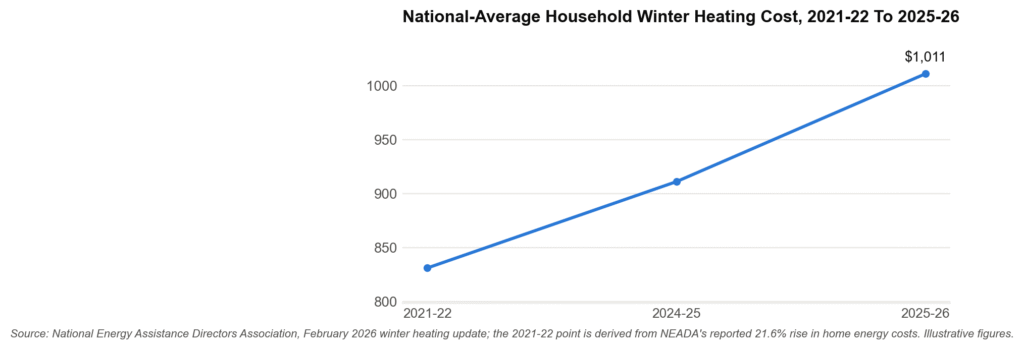
Siding never fails in the middle of a panel. It goes at the edges, the seams, the nail line, the spots where two pieces meet and a bead of caulk was the only thing sealing them. Freeze and thaw does the rest across an Iowa winter, working moisture into every gap until the fastener backs out and the panel lifts a hair. A February 2026 update from the National Energy Assistance Directors Association pegs the average household’s heating tab near $1,011 this winter, about $100 above last year, an 11 percent jump. Some of that is fuel price. On an older house, a real slice of it is the exterior giving up at the edges.
Warped Panels Let Winter Air Straight Through
Warped siding is not a cosmetic problem. Once a panel cups or pulls loose from the sheathing, it opens a channel, and winter air rides that channel straight into the wall cavity behind your drywall. Insulation only earns its rating when the layer outside it holds still and blocks moving air. When it cannot, cold air sweeps through the batts and quietly strips their R-value. You feel it as a cold interior wall and a furnace that runs and runs without ever catching up. Job after job, the same north and west walls read coldest, because that is the side our Iowa wind leans on all winter.
New Siding Pays Back In Comfort First
New siding pays you back in comfort before it ever shows up as a number. The house stops feeling drafty on the windy side first, usually within the first cold snap after the crew wraps up. Modern installs add a continuous layer, house wrap and often rigid foam, that old aluminum never had. That continuous layer is the piece that keeps the wall from leaking air at every seam. A University of Florida field survey, published through Penn State’s Housing Research Center, measured how exterior materials let go with age, finding partially unsealed shingles climb from under 1 percent on a six-year-old roof to more than 79 percent by year twenty. Siding ages on the same curve. Before you sign anything, run your address through ENERGY STAR’s free Home Energy Yardstick and see where you land against similar homes.
What Two Decades On Job Sites Taught Me
Twenty-plus winters of pulling old siding off Cedar Rapids ranches taught me to read a house from the driveway. The bottom edge of each panel tells you most of it. When the aluminum has gone chalky and dull and the seams have opened up, that siding has been living on borrowed time for years, and the wall behind it has been paying for it in fuel the entire while. I have opened walls in January and found the insulation shoved into one corner of the cavity, soaked along the bottom, doing almost nothing. That is not bad luck. It is what happens when a wall leaks air through gaps it was never built to have. The homeowners almost always thought the problem was their furnace. It rarely is. The best siding contractors cedar rapids ia has will walk that cold north wall with you, show you the swelling and the open joints, and tell you plainly which panels are the real leak before quoting a dollar. A tighter exterior fixes the yearly bill creep that a new furnace never touches. Get the shell right and everything inside it works less to hold the same temperature. You stop feeling the draft on the windy side. You notice the first winter the bill holds flat instead of climbing. That is the whole return on the job, and it starts the day the last panel is fastened up.