
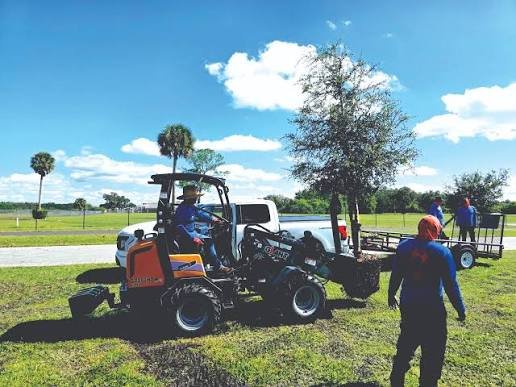

Buy the aerator and it runs twice a year. Buy the stump grinder and it runs less. Buy the roller and it sits in the shed the rest of the season. For a Richardson HOA working a 40-lot spring cleanup budget, that math rarely favors ownership. When the seasonal work actually lands, equipment rental Richardson TX keeps cash free for the recurring jobs that matter. The argument here is simple. For grounds work you do twice a year, renting the machines costs less than owning them.
Owning Seasonal Gear Ties Up Cash and Space
Ownership looks cheap on a spec sheet and expensive on a balance sheet. A decade ago a mid-size community could buy a serviceable aerator, splitter, and roller for a few thousand dollars total and mostly forget about it. That is not today’s market. The Associated General Contractors of America reported in May 2026 that aluminum mill shapes ran 48.8% higher year over year and structural steel climbed 15.6%. Those metal costs now sit inside every new machine on the lot. Call it $12,000 to buy the three machines outright. Honestly, closer to $15,000 once you factor the shed space, the winter maintenance, and the trailer to haul them. Meanwhile the gear depreciates whether it runs or not, money asleep in a shed for ten months of the year.
Match the Machine to the Job Not the Brand
Renters fixate on brand names. The job cares about fit. A 20 HP grinder clears a townhome common area faster than a homeowner-grade unit, and a lawn roller firms a reseeded strip that an aerator never will. The case we see most often is an HOA that bought a roller for one overseeding job, then watched the ground loosen again by the next season. There is real science under that. A loess-soil study in PLoS One found that pore volume in a compacted pad increased 8.56%, 8.61%, and 6.15% after just three wetting and drying cycles. So the density you gain rolling in spring quietly reopens by the fall. Rent the roller for the pass you need and let someone else carry the depreciation. Any equipment rental Richardson TX crews trust will match the machine to the task rather than push the biggest model on the lot.
Questions Worth Asking Any Local Rental Yard
A good rental yard answers hard questions without flinching. Before you book, run through a short list that separates a real operator from a counter with a phone. The answers tell you fast whether the posted day rate is the whole story.
- What does delivery and pickup across the metro cost, and is it flat or by mileage? A good answer names a figure, not a shrug.
- Is the machine serviced between rentals, and when was this one last maintained? You want a recent date, not a maybe.
- Can I get the four-hour rate instead of a full day for a single pass? A yard that offers it respects short jobs.
- Do you carry the attachments this job needs, or do I have to source those myself?
- Is there a discount for HOAs, contractors, or first responders? Ask before you assume the rack rate is final.
Delivery and Support Beat a Cheap Day Rate
A cheap day rate stops being cheap the moment you rent a trailer and burn a Saturday hauling. Delivery folds those costs into one number and puts the machine in the common area ready to run. Support matters just as much when the work has to hit a spec. Compaction is a good example. AsphaltPro reports that a 1% decrease in in-place air voids raises pavement service life by a conservative 10%, with 92% of Gmm the common minimum density. That same principle rewards a base course or turf strip rolled properly the first time. A yard that delivers the right roller and explains the pass pattern saves you the redo.
That redo is where a cheap rate goes to die.
Renting Wins for Work You Do Twice a Year
Add it up and the pattern is hard to miss. The machines a townhome community needs for spring and fall sit in a shed the rest of the year, shedding value while material costs push replacement prices higher. Renting turns a five-figure purchase into a handful of booked days, with delivery, service, and the right attachment handled by someone else. For grounds work you do twice a year, renting almost always costs less than owning the same machines. Book the aerator, the grinder, and the roller when the calendar calls for them, and put the saved capital toward the landscaping that actually needs it.