
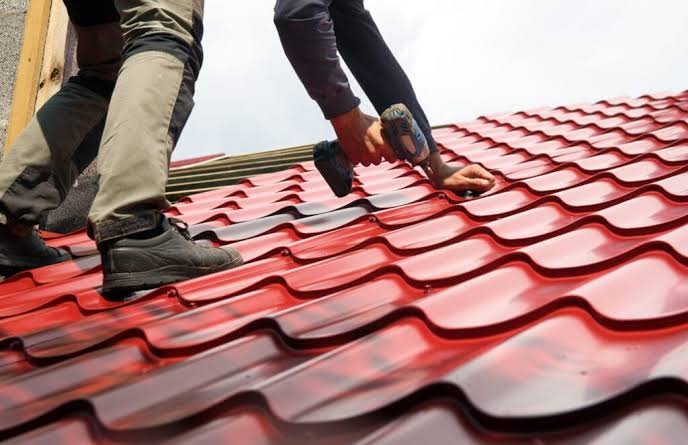

Ask around Lakewood Ranch and you will hear the same advice about an aging roof. Patch it, stretch a few more years, and let a replacement wait, which is exactly the reasoning the residential roofing companies lakewood ranch fl worth hiring will push back on before anyone climbs the ladder. On a 2000s-era subdivision home with asphalt shingles pushing seventeen years, that advice usually costs more than it saves. Patching an aging Florida roof is not the cheap option. It is the expensive one with a smaller number on the first invoice.
Patching Buys Months, Not Years, In Florida
Florida does not let a compromised roof coast. The sun bakes asphalt shingles until the granules let go, and every summer storm season drives water into any seam that has already started to open. A patch fixes the spot that failed. It does nothing for the twenty-year-old field of shingles around it, which is brittle, curling, and living on borrowed time. The case we see most often is a roof that got patched three separate times, each repair holding through one dry winter and failing again by the next August. Months, not years. That is the honest lifespan of a repair on a roof this old, and pretending otherwise just moves the real bill down the calendar.
Old And New Shingles Never Seal Alike
Here is the part the repair pitch skips. Asphalt shingles bond to each other with a strip of adhesive that activates under heat, locking each course to the one below it over the first few weeks after installation. New shingles dropped into a seventeen-year-old roof never bond to their neighbors the way a fresh field does, because the old shingles gave up their sealant years ago and have stiffened in place. Think of it like splicing a fresh section of tread onto a worn tire. The patch itself is sound, the rubber around it is not, and the failure just relocates to the next weak edge. In practice this typically means the repair holds until the next storm finds the boundary between old and new, then peels it back open.
Quietly Penalize A Roof Past Fifteen
In February 2026 the U.S. Government Accountability Office reported that homeowners premiums climbed 25 percent or more in southern coastal regions between 2019 and 2024, far outpacing the national average. Carriers price roofs by risk, and age is a lever they pull hard. A federal review found that even wildfire exposure raised premiums roughly 8 percent when a home moved from a medium to a high risk tier, and coastal roof age gets priced the same way. Past fifteen years, many Florida carriers stop offering full replacement coverage, shift you to actual cash value, or decline to renew at all. (Ask any neighbor who got a non-renewal letter after a drone inspection.) A patched roof does not reset that clock. The underwriter still sees a fifteen-year-old roof.
Repair Costs Stack Faster Than Owners Expect
Owners rarely add up what the repairs actually cost. Each visit feels small on its own, say a few hundred dollars for a slipped section here and a pipe boot there. Stretch that across three or four service calls over a couple of storm seasons and the running total starts to shadow the price of a real replacement, with nothing durable to show for it. This is the calculation the better residential roofing companies lakewood ranch fl homeowners rely on will actually run for you, laying the patch history next to a replacement quote so the decision comes down to numbers instead of pressure. Spend two thousand dollars patching a roof that needs replacing and you have bought time and nothing else.
A Full Replacement Resets The Warranty Clock
A new roof changes your standing in ways a repair cannot. It restarts the manufacturer shingle warranty and the installer labor warranty from zero, so the next decade of small failures gets covered rather than billed to you piece by piece. It also changes how carriers read your home, and the timing right now is unusually good. Florida’s market has started to loosen after recent reforms, and some carriers announced rate reductions of 15 to 25 percent at June 1, 2026 renewals for lower-risk homes. A documented new roof is exactly the kind of upgrade that nudges a house toward that lower-risk column. Replace the roof and you are not just buying shingles. You are buying back your insurability.
Should I Replace A Roof That Is Not Leaking Yet?
Waiting for a leak is the most expensive way to time a roof. Once water gets past the deck you are paying for drywall, insulation, and sometimes framing on top of the roof itself. Replacing a fifteen-to-twenty-year-old roof before it fails keeps the project to just the roof and keeps you in control of the schedule.
How Long Should A New Asphalt Roof Last In Florida?
A quality architectural shingle system installed to current code generally holds up for two to three decades, even under Southwest Florida heat and storm load. The range is wide because ventilation, installation quality, and plain storm luck all move that number. What is certain is that a fresh roof buys far more runway than any patch stitched onto an aging one.
Replace On Your Terms, Not The Storm’s
The worst time to replace a roof is the week after it fails, when water is already inside the house and every crew in the county is booked. The best time is a calm month you pick yourself, with quotes in hand and the patch math laid bare next to the replacement price. On an aging asphalt roof in Lakewood Ranch, the repair-versus-replace question is rarely close once you count the exposure, the string of failed patches, and the warranty you keep leaving on the table. Patch it and you keep paying for a roof that is already gone. Replace it and you stop the drip, reset the clock, and decide the timeline yourself.