
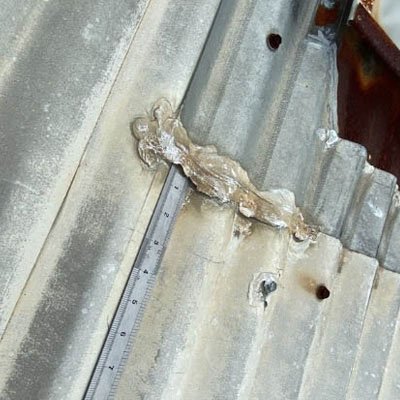

A roof that has never leaked can still be quietly failing. Buy an older home with no paperwork on the roof, and a dry attic feels like proof that everything overhead is fine. Any honest roofing contractor woodstock ga homeowners call will tell you the opposite. The damage that shortens a roof’s life tends to start small, slow, and well out of sight. The real protection is not a leak-free ceiling; it is scheduled upkeep that catches trouble years before water shows up inside.
New Owners Trust A Dry Attic Too Much
Take the typical setup on a 2000s subdivision home in Woodstock’s red-clay foothills. The previous owner left no roof records, the attic looks dry, and the shingles read fine from the driveway. That surface calm is exactly what fools new buyers. A roof depends on small sealed details far more than on the broad field of shingles, and a dry attic today only tells you water has not broken through yet.
The margins here are thinner than most new owners think. In a February 2026 thunderstorm-ready update, the Insurance Institute for Business and Home Safety reported that sealing the roof deck can cut water intrusion by up to 95 percent. The same testing showed that even 60 mph gusts can damage an aging roof. Georgia summers pile humidity and afternoon storms on top of that, so an unsealed gap or a lifted edge gets tested week after week. The roof does not send you a memo when that protection slips.
Small Neglected Details Age Shingles Fastest
A couple who bought a 2004 four-bedroom off a Woodstock cul-de-sac went three humid summers without a single drip. Then a routine look found a sun-baked valley that had been wicking water under the shingles the whole time. The case we see most often is not a dramatic leak but that kind of slow, hidden aging: clogged valleys, lifted flashing, and moss on the shaded north slope. Water management around the house matters here too. The University of Georgia Cooperative Extension’s home maintenance checklist advises routing downspouts to discharge 2 to 3 feet from the walls. Kept close, that runoff works its way back toward the roofline and foundation.
None of these need a storm to do damage. Moss holds moisture against the granules, and a loose flashing lip lets wind drive rain sideways. A clogged valley turns every downpour into a small pond (the kind of thing nobody notices until the ceiling finally tells them). A roof usually fails at its details long before it fails as a whole. Catch those details on a schedule and you deal with a tube of sealant, not a tear-off.
Do I Really Need Roof Maintenance If Nothing Is Leaking?
Yes, and that is the whole point of scheduled upkeep. A leak is the roof telling you damage already reached the inside, so waiting for one means you missed the cheap window. Regular maintenance finds the lifted flashing or clogged valley while it is still a minor fix.
How Often Should An Older Asphalt Roof Get Checked?
For a twenty-year-old asphalt roof in Georgia’s heat, a look twice a year plus a check after any major storm is a sensible rhythm. Spring clears winter debris and moss buildup, and fall gets the roof ready for the wet season. Older roofs drift toward the more frequent end of that range as their shingles lose flexibility.
Scheduled Maintenance Buys Years Before Replacement
The math on all this is not complicated. A full replacement on a home this size runs well into five figures. A seasonal inspection and some upkeep cost a small fraction of that, and they push the replacement date further out. Bringing in a roofing contractor woodstock ga homeowners trust for a twice-a-year once-over pays off. Small problems get caught while they are still small, not after they turn into water stains and rotted decking. A leak-free roof is not proof that you are safe; it is a window of time, and scheduled maintenance keeps that window open for years.