
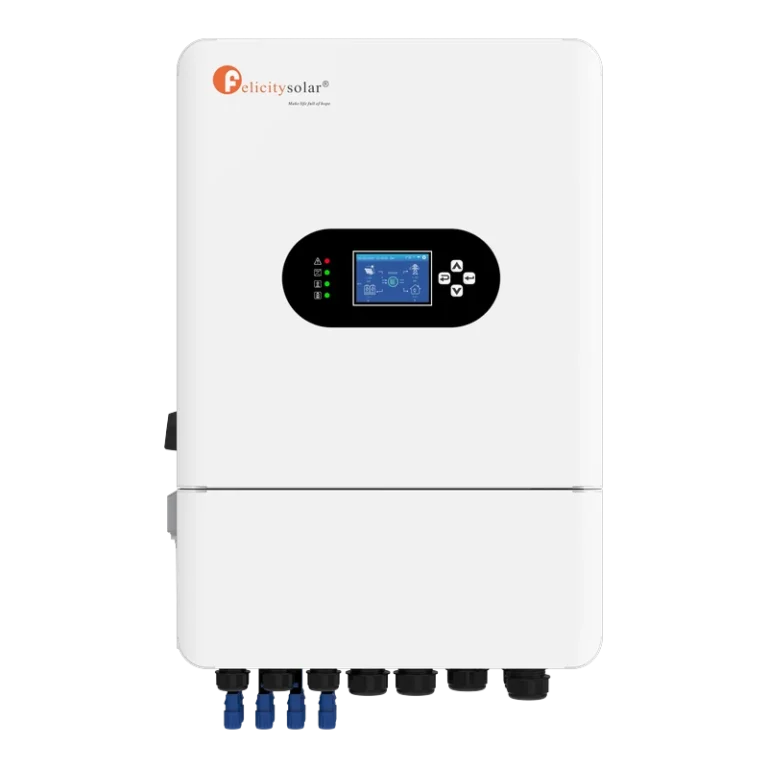

The decision to invest in a hybrid solar inverter is not a one-size-fits-all proposition, because the optimal choice depends on a complex interplay of factors including the user’s energy consumption patterns, budget constraints, technical expertise, and long-term objectives. For the grid-dependent homeowner who experiences frequent outages, the primary consideration is the inverter’s backup power capability, with seamless switchover time and sufficient surge capacity to handle motor-driven loads such as refrigerators and well pumps being critical selection criteria. For the environmentally conscious household with a large south-facing roof, the priority is maximizing solar self-consumption, making MPPT tracking accuracy and the ability to manage multiple array orientations the most important features. For the small business owner with a three-phase connection and significant daytime loads, the focus is on three-phase output capability, peak shaving performance, and the ability to integrate with existing electrical infrastructure without costly upgrades. For the commercial facility with complex rate structures and demand charges, the critical factors are the inverter’s ability to perform real-time peak shaving, its compatibility with external energy management systems, and its grid services participation capabilities. For the industrial operation with critical processes requiring uninterrupted power, the non-negotiable requirements are robust backup capability, high surge capacity, and the ability to coordinate with backup generators. For the off-grid homesteader with no utility connection, the essential features are rugged construction, wide operating temperature range, and the ability to manage diverse generation sources including solar, wind, and generator inputs. The hybrid solar inverter selection framework must account for these diverse user profiles, because the right inverter for one application may be entirely wrong for another, and the financial and operational consequences of a poor choice can be severe.
The Compatibility and Integration Ecosystem
The hybrid solar inverter does not operate in isolation but rather as part of a broader ecosystem of components and systems, and its compatibility with these elements is a critical factor in selection and long-term satisfaction. The battery compatibility is perhaps the most important integration consideration, because the inverter must communicate effectively with the battery management system to ensure safe and optimal operation, and proprietary communication protocols can lock users into specific battery brands, limiting future expansion options. The solar panel compatibility requires matching the inverter’s input voltage range and MPPT tracking capabilities with the specific panels being installed, because mismatched specifications can result in reduced energy harvest and lower system performance. The smart home integration capabilities determine whether the hybrid solar inverter can coordinate with smart thermostats, EV chargers, and other connected loads to create a holistic home energy management system that optimizes consumption across all devices. The monitoring platform compatibility affects the user’s ability to track system performance, identify issues, and optimize operation, with some inverters offering comprehensive cloud-based platforms while others provide only basic local monitoring. The third-party integration capabilities determine whether the inverter can participate in grid services programs, virtual power plants, or other advanced applications that require communication with utility systems and aggregator platforms. The installer network compatibility is a practical consideration, because the availability of trained installers who are familiar with the specific inverter brand can significantly affect installation quality and after-sales support. The hybrid solar inverter’s ability to integrate seamlessly with this broader ecosystem determines its long-term value and the user’s flexibility to evolve their system as needs change and new technologies emerge.
The Warranty, Support, and Reliability Factors
The selection of a hybrid solar inverter must consider the warranty, support, and reliability factors that determine the long-term value and peace of mind of the investment. The manufacturer warranty is the first line of defense against equipment failure, with leading brands typically offering 5 to 12 years of warranty coverage, and the option to extend to 20 or 25 years is often available for an additional cost. The warranty terms should be carefully reviewed, including the coverage of labor costs, shipping costs, and the process for claiming warranty service, because some warranties cover only the replacement parts while others include full service. The reliability of the inverter is reflected in its Mean Time Between Failures rating, with quality hybrid solar inverters typically achieving MTBF ratings of 100,000 hours or more, indicating a low probability of failure during the equipment’s useful life. The availability of technical support is another critical factor, because prompt, knowledgeable support can significantly reduce downtime when issues arise, and some manufacturers offer 24/7 support while others have limited hours and capacity. The availability of spare parts and repair services is particularly important for commercial installations where extended downtime can have significant financial consequences, and the manufacturer’s commitment to long-term parts availability should be evaluated. The field service network of the manufacturer, including the availability of authorized service providers in the region, affects the timeliness and quality of on-site service when needed. The hybrid solar inverter is the most critical component of the solar-plus-storage system, and its reliability, warranty, and support factors are essential to ensuring that the investment delivers the expected value over its lifetime.
The Noise, Aesthetics, and Installation Considerations
Beyond the technical specifications and financial considerations, the practical factors of noise, aesthetics, and installation requirements can significantly influence the suitability of a hybrid solar inverter for different applications and user preferences. The noise level of the hybrid solar inverter is an important consideration for residential installations, because some inverters operate at 55 decibels or higher, which can be audible in living spaces, while others are designed for quiet operation at 40 decibels or below. The aesthetics of the inverter and its mounting location affect the overall appearance of the installation, with some inverters designed for unobtrusive mounting in garages or utility rooms while others are weatherproof for outdoor installation. The weight and dimensions of the hybrid solar inverter affect the installation requirements, with larger units requiring more space and potentially reinforcing the mounting surface, while compact units can be installed in tighter spaces. The cooling system of the inverter, whether fan-cooled or natural convection, affects the clearance requirements and the maintenance needs, with fan-cooled units typically requiring more clearance for airflow and periodic fan replacement. The IP rating of the inverter, which indicates its resistance to dust and moisture, determines its suitability for outdoor installation, with outdoor-rated inverters typically having IP65 or higher ratings. The installation complexity and time affect the overall project cost, with some inverters designed for simpler installation with fewer connections and more intuitive mounting systems. These practical factors, while often overlooked in technical evaluations, can significantly affect the user experience and the overall satisfaction with the hybrid solar inverter investment.