
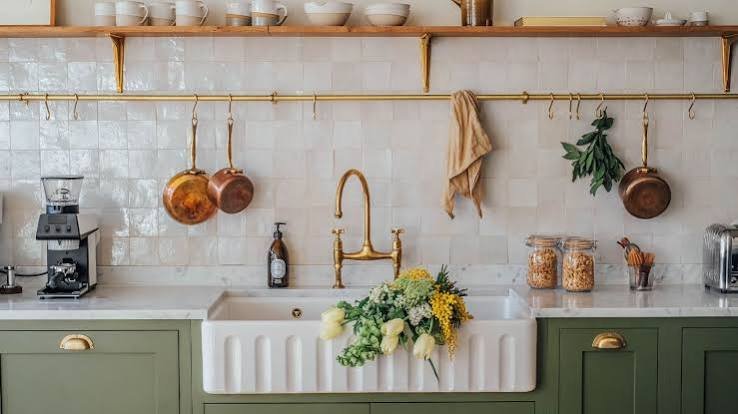

Choosing a splashback is one of those jobs that looks simple until you start browsing. Glass, tile, stone, metal, acrylic, laminate: every material has fans, and every showroom seems to offer another option. This guide walks through the decisions in a sensible order so you can narrow things down without second-guessing yourself.
Start With What the Splashback Has to Do
Before you think about colour, think about function. The splashback protects the wall from water, grease and heat, and it should be simple to clean. Ask yourself a few practical questions:
- How often do you cook, and how messy is your cooking?
- Do you have a gas hob, an induction hob or an electric one?
- Is the wall behind the sink exposed to a lot of splashing?
- Do you want the surface to run behind the whole worktop or just the hob?
Your answers help you decide how hardwearing and how large the splashback needs to be. A busy family kitchen asks more of a wall than a flat used mostly for reheating dinner.
Know Your Material Options
Tiles
Tiles are familiar and come in countless sizes and patterns. Ceramic is affordable and widely available, while natural stone has more character but may need sealing. The main downside is grout, which can stain and needs regular attention.
Glass
Glass gives a seamless, reflective face. It is smooth, comes in many colours and prints, and tends to be quick to wipe clean. Cutting to size is usually needed, so accurate measuring matters.
Stone and Quartz
A slab of the same material as the worktop creates a luxurious, unified look. It can also be among the more expensive routes, and the weight means installation needs care.
Metal
Stainless steel suits professional-style kitchens and handles heat well. Copper and brass bring warmth but change appearance over time, which some people love and others find fussy.
Acrylic and Laminate Panels
These are lighter and often more budget-friendly. They can work well where cost is the priority, though you should check heat guidance carefully near a hob.
Think About Size and Coverage
Splashbacks come in three common coverage styles.
- Upstand: A short strip, often 100 to 150 millimetres, running up from the worktop. Practical but visually modest.
- Mid-height: Covers the gap between worktop and wall units. This is the classic approach.
- Full height: Runs from worktop to ceiling behind the hob or along an entire wall. It makes a bold statement and protects more of the wall.
Full-height panels look especially sharp in contemporary kitchens, but they require careful planning around extractors, shelves and sockets.
Choose a Colour That Works Over Time
Colour is where many people spend the most energy. A few ideas can keep you grounded.
Look at what you already have. Cabinets, worktops and flooring all set a tone. Pick a splashback colour that either blends with them or contrasts on purpose.
Test in real light. A shade that looks cool and crisp under shop lighting can turn flat in a north-facing room. Hold samples against your wall at different times of day.
Decide how long you will stay. Neutral shades such as white, grey and soft cream age well and suit most buyers. Bold colours are great if you want personality and expect to enjoy them for years.
Consider the room’s size. Light colours make small kitchens feel larger, while dark colours can add depth in a roomy space.
Pay Attention to Finish
Finish affects both appearance and upkeep.
- Gloss reflects light and feels modern, though it shows marks more easily.
- Matt or satin looks softer and hides fingerprints, but may feel less bright.
- Textured surfaces add interest, yet can take longer to clean.
If you want something easy to maintain, a smooth finish usually has the edge.
Plan Around Fixtures and Fittings
A good splashback fits the kitchen as it actually is, not as a drawing suggests. Walk around the room and note:
- Positions of sockets and switches
- The size and height of the extractor
- Any windows, shelves or rails on the wall
- Corners that may not be perfectly square
If your walls are uneven or your layout is unusual, a Made to measure splashback is worth considering because it is cut to the exact dimensions of your space. That reduces awkward gaps and gives a neat edge around openings. For a standard layout, ready-sized panels may be enough, but it is worth comparing before you buy.
Safety Near Heat
Splashbacks near cooking zones should be suitable for that location. Check the manufacturer’s guidance on the distance from hobs, especially gas ones. If you are unsure, ask the supplier or your installer. Safety guidance varies by product and appliance, so rely on the specific instructions rather than general assumptions.
Match the Style of the Whole Room
A splashback should feel like part of the kitchen rather than an afterthought. Here is a rough guide by style.
Contemporary
Plain, glossy surfaces in white, grey or deep tones suit sleek handleless cabinets. Keep patterns simple.
Traditional
Soft colours, subtle texture and warm neutrals feel at home with shaker-style doors and timber details.
Industrial
Dark tones, metallic effects and a slightly raw feel pair well with exposed brick or concrete-look surfaces.
Scandinavian
Pale, calm shades with natural wood and light worktops create an airy, restful space.
If your style sits somewhere between these, choose two or three elements to anchor the look, such as the colour family, the finish and the level of pattern, and keep the rest consistent.
Set a Realistic Budget
Costs vary according to material, size, finish and installation. Rather than quoting figures that may not apply to you, ask for itemised quotes that show what is included. Check whether measuring, cutting, delivery and fitting are covered. Comparing like with like helps you avoid surprises.
It also helps to decide which parts of the kitchen deserve the most spending. A splashback is highly visible, so some people prefer to invest here and save on less noticeable items.
Common Questions Worth Asking a Supplier
Before you order, put a few questions to the company you are considering:
- What are the lead times from measuring to fitting?
- Can I see a sample in my own kitchen?
- How is the product fixed to the wall?
- What cleaning products are suitable?
- What do I need to prepare before fitting day?
Clear answers usually signal a supplier who knows the product.
Bringing It All Together
Choosing the right Kitchen Splashbacks comes down to a series of fairly small decisions: function first, then material, coverage, colour, finish and fit. Take them one at a time, and test samples in your own space. If you treat the splashback as part of the wider design rather than a separate purchase, you end up with a kitchen that looks cohesive and is straightforward to maintain. Give yourself time, measure carefully and choose something you will still enjoy every time you walk into the room.