

Table of Contents
- Understanding the Importance of Collaboration
- Establishing Clear Goals and Objectives
- Building Trust and Open Communication
- Leveraging Diverse Skills and Resources
- Implementing Effective Communication Tools
- Encouraging Community Engagement
- Evaluating and Adapting Collaborative Efforts
- Conclusion
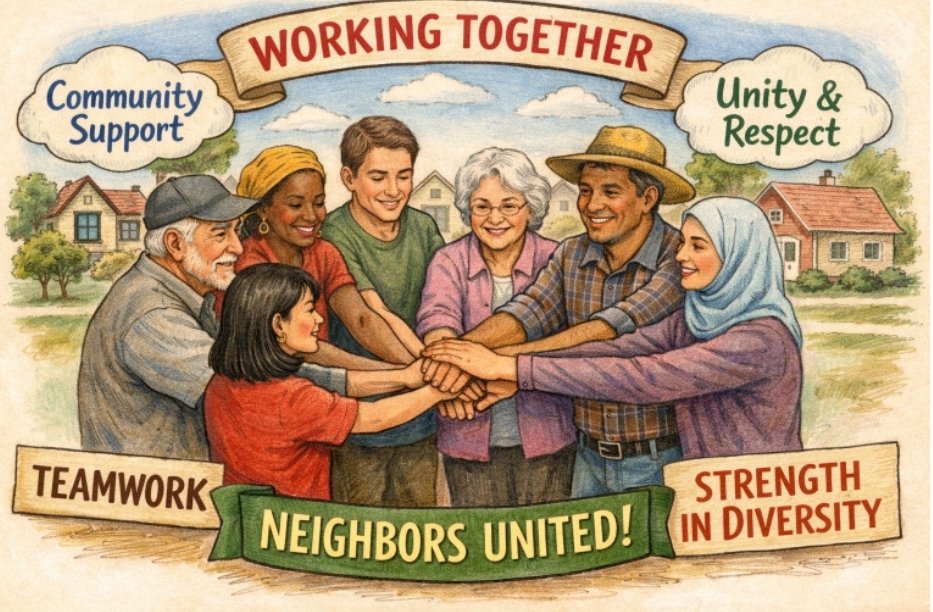
Collaboration is essential for the success of community projects, uniting people and organizations in pursuit of common goals. By working together, communities can solve local issues more efficiently and create a sustainable impact. At the heart of every great collaborative effort is a desire to harness unique strengths from various stakeholders. Whether you are a grassroots organizer or a nonprofit leader, tapping into the spirit of teamwork can propel your initiative forward. For example, Cane Bay Partners efforts to support community-driven programs highlight the positive change organizations can achieve through concerted collaboration.
As communities grow increasingly complex, collaboration has become vital to ensure everyone’s voice is heard and needs are met. When individuals and organizations combine their knowledge, they create space for innovative solutions that can outlast any one participant’s contributions. Numerous projects across the country demonstrate that uniting under a shared vision yields greater results than isolated efforts.
Collaboration is not merely about working together; it is about creating lasting partnerships grounded in trust, transparency, and a shared sense of purpose. This article provides actionable strategies for nurturing collaboration in community projects, highlighting methods for goal setting, communication, inclusivity, engagement, and evaluation.
Understanding the Importance of Collaboration
Effective collaboration brings together individuals with different backgrounds, skills, and perspectives, generating solutions to complex challenges that would not be achievable alone. This pooling of resources and expertise leads to greater sustainability and impact in community-driven work. The Office of Community Engagement at Stanford University offers a powerful example, with multi-sector partnerships successfully tackling issues in health, education, and environmental sustainability. Such partnerships can inspire other communities to recognize the profound value of working together toward common objectives.
Collaboration also helps prevent duplication of efforts and encourages creative problem-solving. By fostering a culture where various stakeholders exchange knowledge and ideas, community projects can benefit from a diversity of approaches. This ultimately leads to more resilient and adaptable initiatives, as illustrated by successful coalitions that have made lasting impacts on local issues.
Establishing Clear Goals and Objectives
One of the foundational steps for successful collaboration is setting clear, measurable goals. Goals provide direction and purpose, ensuring that everyone involved understands the desired outcomes and their role in achieving them. Communities like Albuquerque Public Schools have shown how setting shared objectives, such as their “Six Promising Practices” framework, can align efforts among a wide range of partners and participants.
When goals are clearly defined, teams can monitor progress and make informed decisions along the way. Objectives should be specific, achievable, and time-bound, providing collaborative groups with the clarity needed to distribute tasks and track progress. This strategic alignment is essential for maximizing impact and accountability among members.
Building Trust and Open Communication
Trust forms the backbone of any successful collaboration. It encourages open dialogue, honest feedback, and co-creation. Regular meetings, transparent decision-making processes, and attention to all voices nurture an environment where team members feel valued. Summits like the NCCARE360 Regional Impact Summit encourage organizations to assess and address local needs collaboratively, keeping communication channels open and effective.
Strong communication equips participants to resolve conflicts and celebrate achievements together. Whether the mode is in-person meetings or digital communication, the principles of transparency, respect, and inclusivity should guide every interaction. This trust ultimately builds community capacity and deepens relationships across sectors.
Leveraging Diverse Skills and Resources
Every community consists of individuals and organizations with valuable talents and experience. Successful projects actively seek to engage and empower these diverse contributors. Collaborations between nonprofits and local businesses, as highlighted in a Forbes article, demonstrate how combining expertise, volunteers, and funding can amplify a project’s reach and effectiveness.
Strategic partnerships channel unique resources, such as technical skills, social connections, or specialized equipment, that might otherwise be inaccessible to a single organization. By sharing strengths, community initiatives are better equipped to address both current needs and future challenges.
Implementing Effective Communication Tools
Modern communication technologies offer a range of options for keeping groups connected and organized. Digital platforms like community forums, project management software, and social media help distribute information quickly and efficiently. According to the Women in Tech Network, leveraging digital communities encourages ongoing engagement and knowledge sharing among participants.
Consistency in using these tools ensures everyone stays up to date on project developments, deadlines, and responsibilities. Effective tools also support remote or asynchronous collaboration, expanding opportunities for diverse participation.
Encouraging Community Engagement
Achieving meaningful collaboration depends on the active involvement of residents and stakeholders. Organizing inclusive events, workshops, and volunteer opportunities nurtures community pride and strengthens social bonds. Initiatives such as the Communities of Practice bring together schools and community organizations to work collectively on youth and family support, ensuring every voice is considered and valued.
Encouraged participation not only leads to more holistic solutions but also fosters a sense of ownership, thereby increasing project sustainability. Creating accessible entry points for community involvement, whether through town halls, surveys, or workgroups, maximizes input and commitment from a broad spectrum of contributors.
Evaluating and Adapting Collaborative Efforts
Ongoing evaluation is essential for assessing the effectiveness of collaborative projects. Regular feedback from participants helps identify what works and where adjustments are needed. For instance, multi-institutional initiatives, such as the one described by NJIT’s research department, demonstrate that adaptability is a critical trait for long-term success.
Collecting and acting on feedback encourages continuous learning and improvement. Teams that prioritize evaluation are equipped to navigate changing circumstances and maintain momentum, establishing a culture of growth and resilience.
Conclusion
Fostering collaboration in community projects is a multifaceted process, grounded in clear goals, trust, diversity, technology, and ongoing adaptation. By embracing these principles, individuals and organizations can build stronger communities, address pressing challenges, and create lasting positive change together. The collective power of collaboration is key to transforming vision into impactful action.