

Introduction
Discovering a pest inside a home or business can raise immediate questions. What type of pest is it? Where did it come from? Is there likely to be more activity? And what is the best way to prevent the problem from returning?
These questions are important because effective pest management involves more than removing the pest that has been seen. It requires understanding the conditions that allowed the problem to develop, identifying possible entry routes and choosing a suitable response for the property.
For homeowners, landlords and businesses in Brentwood, a planned approach can make pest problems easier to manage. Early identification, professional advice when needed and sensible maintenance measures can all contribute to better long-term protection.
The Importance of Taking Early Signs Seriously
Pest activity is not always immediately obvious. A mouse may leave droppings in a cupboard before anyone sees it, while rats may move through loft spaces or beneath floors. Wasps may repeatedly enter a small opening near a roofline, suggesting that a nest is hidden nearby.
Other signs can include damaged food packaging, unusual smells, scratching sounds, insect larvae, shed skins or damage to stored fabrics. Pigeons may leave nesting debris and fouling around roof areas, while squirrels can disturb insulation and other materials in roof spaces.
One isolated sighting does not always indicate a large infestation. However, repeated signs or activity in several locations deserve attention. Waiting until the problem becomes more noticeable may allow pests additional time to settle or spread.
A useful first step is to record where and when the activity occurs. This information can help establish whether the problem is concentrated in one area or connected to a particular feature of the building.
Identify the Pest Before Choosing a Treatment
Different pests require different control methods. A treatment suitable for ants will not resolve a rodent infestation, and the approach used for bed bugs will differ from the measures needed for fleas or moths.
Correct identification is therefore essential. Consider the appearance of the pest, the location where it was found and the type of evidence it has left behind.
For example, small dark droppings, gnaw marks and damaged packaging may indicate rodent activity. Repeated wasp movement around one entrance point may suggest a nest. Damage to clothing or stored fabrics may point towards certain moth species, while signs around mattresses and bed frames may require investigation for bed bugs.
Photographs can sometimes help with identification, provided they can be taken safely. Do not attempt to handle unfamiliar insects, rodents, nests or wildlife to obtain a closer look.
If the signs are unclear, a professional inspection can help determine what is happening. Choosing a treatment without knowing the pest involved can waste time and may fail to address the source of the problem.
Understand How Pests Are Getting Inside
Once the pest has been identified, the next question is how it gained access to the property. Buildings can contain small openings that are easy to overlook during ordinary maintenance.
Rodents may use gaps around utility pipes, damaged air bricks, spaces beneath doors or defects in external walls. Roof spaces can become accessible through damaged tiles, openings beneath eaves or gaps around service connections.
Insects may enter through open windows, damaged screens, doors or other small gaps. Some species may already be present inside the property after being introduced through furniture, luggage, deliveries or stored materials.
Drainage systems can also be relevant when investigating recurring rat activity. Damaged pipes or defective connections may create possible routes between underground systems and buildings. Where the evidence suggests a drainage-related issue, a CCTV survey may help locate defects that cannot be identified through a normal visual inspection.
Finding the route matters because treatment alone may not prevent further activity if the same access point remains available. Any proofing work should be appropriate for the building and should not interfere with necessary ventilation or drainage.
Choose a Response That Fits the Property
A suitable pest management plan should reflect the type of pest, the level of activity and the areas affected. The requirements of a family home may differ considerably from those of a restaurant, warehouse or office.
In a home, the main concerns may involve kitchens, bedrooms, lofts, garages and outdoor spaces. Occupants may also need guidance about children, pets, food preparation and access to treated rooms.
Commercial premises have additional considerations. A pest problem can affect stored goods, daily operations, staff confidence and customer experience. Food businesses in particular need to pay close attention to storage, cleaning routines, deliveries and waste handling.
Professional Pest Control Brentwood can help property owners assess the situation and understand the available treatment options. The Exterminator Pest Control provides domestic, landlord and commercial services across Brentwood and nearby communities, including Shenfield, Hutton, Warley, Pilgrims Hatch and South Weald.
A proper assessment helps ensure that the recommended response is based on the actual circumstances rather than assumptions about the infestation.
Why Different Pests Need Different Solutions
Rodents
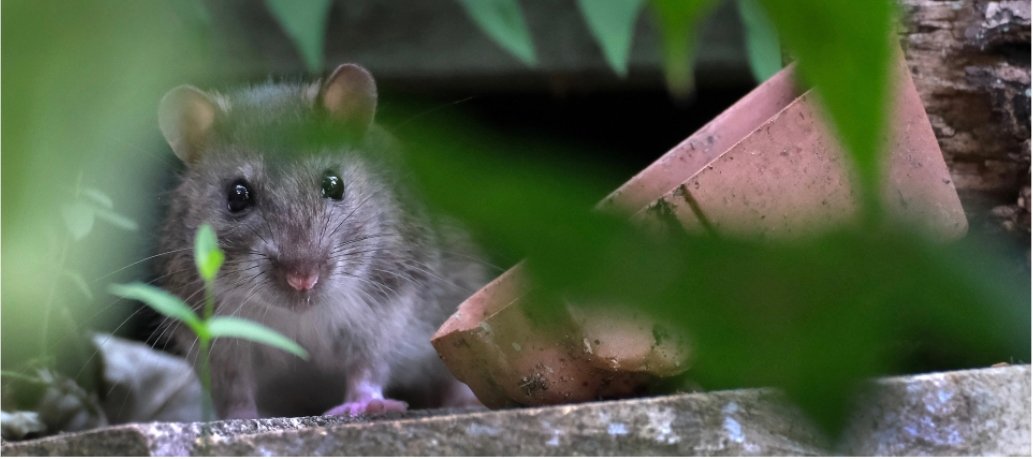
Rats and mice can hide in concealed spaces and may be active when a property is quiet. Control measures should consider where rodents are travelling, where they may be nesting and how they are entering the building.
Food storage, waste management and suitable proofing can support treatment. If activity continues, further investigation may be needed to identify a concealed route or structural defect.
Wasps
Wasps may build nests in roof spaces, sheds, wall cavities and other sheltered locations. Repeated movement through one opening can indicate a nest nearby.
Disturbing a nest or attempting to seal its entrance can increase the risk of stings. Keep people and pets away from the affected area and seek professional advice about suitable treatment.
Bed Bugs and Fleas
Bed bugs and fleas require careful identification because their treatment and preparation requirements are different. Bed bugs may be found around mattresses, bed frames and nearby furniture, while fleas can affect carpets, upholstery and other areas used by pets.
Cleaning alone may not resolve an established infestation. Professional advice can help determine which rooms or materials need attention and whether follow-up treatment is necessary.
Moths and Other Insects
Moths can affect clothing, fabrics and stored materials. Ants and flies may be attracted by accessible food, waste or moisture. Good storage practices and regular cleaning help reduce favourable conditions, but persistent activity may require a targeted treatment plan.
Pigeons and Other Wildlife
Pigeons may roost on ledges, roofs and around solar panels. Their presence can create noise, fouling and nesting debris. Squirrels may enter roof spaces, while moles can disturb lawns and gardens.
Control and proofing methods should be selected with consideration for the species, building and applicable legal requirements. Where wildlife is involved, humane and lawful methods are particularly important.
What Happens During a Professional Pest Control Visit?
Knowing what to expect can make arranging treatment less stressful. The process generally begins with a conversation about the problem. Property owners should explain what they have seen, where the activity occurs, when it started and whether any previous treatment has been attempted.
The next stage is an assessment of the affected areas and possible access points. The professional can use this information to identify the likely pest and decide what treatment is appropriate.
Before work begins, the recommended approach, preparation requirements, safety precautions and expected costs should be explained. Some situations may require one visit, while others need monitoring or follow-up appointments.
The Exterminator Pest Control describes a process involving initial enquiries, assessment, a treatment quotation, agreed work and prevention advice. Same-day appointments may be available when scheduling and travel allow, although attendance is subject to availability.
A clear explanation at each stage helps property owners understand what is being done and what they may need to do afterwards.
Keep Costs and Expectations Clear
The cost of pest control can depend on several factors. These include the species involved, the size of the affected area, the severity of the infestation, access to the problem and the number of visits required.
A straightforward wasp nest treatment may have different requirements from a multi-visit programme for rats or mice. Bed bug treatment may also involve preparation and follow-up work.
Before agreeing to treatment, ask for a clear quotation and an explanation of what it includes. Find out whether monitoring, repeat visits or proofing work are included or quoted separately.
The Exterminator Pest Control publishes guide prices for selected services, but the final quotation can vary according to the property and the circumstances. Confirming the details before work begins helps avoid misunderstandings.
Prevention Should Continue After Treatment
Once the immediate pest problem has been addressed, preventive maintenance becomes important. The objective is to reduce the conditions that could encourage another infestation.
Store food in sealed containers and remove waste regularly. Keep bins covered and clean the areas around them. Repair leaking pipes, address standing water and maintain drainage systems. Reduce unnecessary clutter in lofts, garages and storage rooms so that signs of activity are easier to spot.
Inspect the exterior of the building for damaged seals, gaps and openings. Keep vegetation maintained around entrances and avoid storing materials directly against external walls where possible.
For businesses, written cleaning schedules and routine inspections can make prevention more consistent. Staff should know how to report sightings and who is responsible for arranging further investigation.
Landlords and property managers can also benefit from keeping records of reported pest problems, inspections and maintenance work. These records may help identify recurring issues and support more effective property management.
Finding Local Help When You Need It
When pest activity becomes persistent, widespread or difficult to identify, seeking professional assistance can help establish a clear plan. A suitable Brentwood Exterminator can assess the affected areas, discuss treatment options and explain practical steps that may reduce the chance of a recurrence.
When contacting a provider, give as much useful information as possible. Mention the type of property, the pest or signs observed, the location of the activity and any access or safety concerns. If you manage a business, explain its operating hours and any areas that need special consideration.
It is also worth asking about qualifications, insurance, treatment precautions and follow-up arrangements. Clear communication helps property owners make informed decisions and understand the service being offered.
Conclusion
Effective pest management begins with recognising early warning signs and understanding the cause of the problem. Correct identification, careful assessment and a suitable treatment plan are important for dealing with rodents, wasps, bed bugs, fleas, moths, pigeons and other pests.
For properties in Brentwood, regular maintenance and sensible prevention measures can help reduce the likelihood of recurring problems. When professional treatment is required, choosing an approach that considers the pest, the building and its occupants can make the process more straightforward.
By combining early action with ongoing property care, homeowners, landlords and businesses can protect their premises and maintain a cleaner, more comfortable environment.