
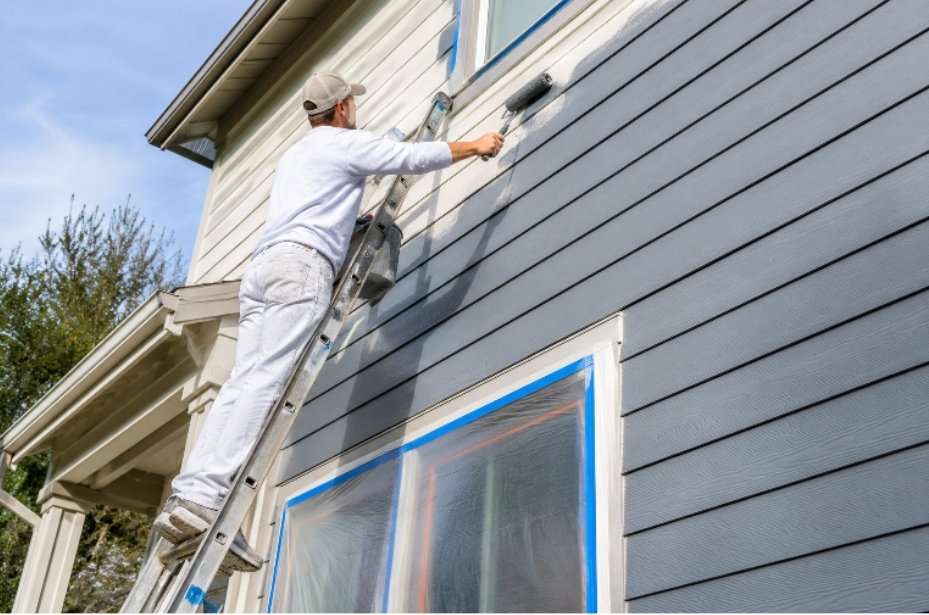

Your home’s exterior does more than create a first impression. It acts as the first layer of defense against sun, rain, wind, moisture, and changing temperatures. Over time, these elements wear down paint, leaving your home exposed to damage that can become expensive to repair.
A quality exterior painting project is about more than appearance. It protects your siding, trim, and other exterior surfaces while helping your home stay in excellent condition for years. When completed by a Reliable Painting Contractor, the results last longer and provide greater value.
Why Exterior Paint Is More Than a Cosmetic Upgrade
Many homeowners think of paint as a decorative finish. In reality, it serves as a protective barrier.
Exterior paint shields wood from moisture, prevents premature aging, reduces damage caused by ultraviolet rays, and helps resist dirt and mildew buildup. Without this layer of protection, surfaces begin to deteriorate much faster.
Fresh paint also seals small imperfections before they develop into larger issues. A relatively simple painting project today can help prevent costly repairs in the future.
Beyond protection, a freshly painted home immediately looks cleaner, newer, and better maintained, which also improves curb appeal and property value.
What Colorado Weather Does to Your Home’s Exterior
Colorado experiences a wide range of weather conditions throughout the year. Strong sunlight, heavy snow, hail, freezing temperatures, and sudden temperature swings all place stress on exterior surfaces.
Constant UV exposure causes paint to fade and lose flexibility. Moisture can penetrate tiny cracks, leading to peeling paint, wood rot, and mildew. During winter, freezing temperatures expand trapped moisture inside surfaces, making cracks even worse.
Homes that experience these conditions require durable coatings designed to withstand changing weather. Professional painters understand which products perform best in local climates and apply them correctly for maximum durability.
The Warning Signs Your Home Needs Fresh Paint
Exterior paint rarely fails overnight. Most homes show warning signs long before major problems appear.
Watch for these common indicators:
- Peeling or flaking paint.
- Fading or uneven color.
- Small cracks around trim and siding.
- Exposed wood surfaces.
- Bubbling paint.
- Water stains or mildew.
- Caulking that has dried or separated.
Addressing these problems early helps prevent moisture from reaching the underlying materials. Waiting too long often means replacing damaged siding or trim instead of simply repainting.
Regular inspections make it easier to catch problems before they become expensive.
Why Proper Preparation Makes Paint Last Longer
Preparation is the foundation of every successful painting project. Even premium paint cannot perform well on a poorly prepared surface.
Professional preparation typically includes washing away dirt and mildew, scraping loose paint, sanding rough areas, repairing damaged wood, sealing gaps with fresh caulk, and applying the appropriate primer.
Each step creates a clean, stable surface that allows the new coating to bond properly.
Skipping preparation often leads to premature peeling, bubbling, or uneven coverage within only a few years. Investing time in preparation significantly extends the lifespan of your paint job.
Choosing the Right Paint for Long Term Protection
Not every exterior paint is designed for the same conditions. Climate, siding material, and sun exposure all influence which products perform best.
High quality paints provide better flexibility during temperature changes, stronger UV resistance, and improved moisture protection. They also retain their color longer and resist cracking as they age.
Selecting the right finish matters as well. Different areas of the home may require different sheen levels depending on exposure and maintenance needs.
Working with a Reliable Painting Contractor helps ensure your home receives products suited to its specific environment rather than relying on a one size fits all approach.
Simple Maintenance Tips to Keep Exterior Paint Looking Fresh
A little maintenance goes a long way toward extending the life of your paint.
Follow these simple practices:
- Wash exterior surfaces once or twice each year.
- Remove dirt, mold, and mildew before they spread.
- Trim shrubs and tree branches away from siding.
- Inspect caulking around windows and doors.
- Repair small chips before moisture enters exposed surfaces.
- Keep gutters clean to prevent water overflow.
- Schedule periodic inspections after severe storms.
These habits reduce wear and help your paint continue protecting your home year after year.
Why Professional Exterior Painting Delivers Better Long Term Results
Painting an entire home’s exterior involves much more than applying color. Surface preparation, weather timing, material selection, and application techniques all influence how long the finish lasts.
Experienced professionals understand how different surfaces respond to weather and know how to achieve consistent coverage across every area of the home.
Hiring a trusted team also reduces the risk of uneven finishes, missed repairs, and early paint failure. Quality workmanship often saves homeowners money over time by extending repainting cycles and minimizing future maintenance.
When you invest in professional exterior painting, you’re investing in long term protection rather than simply changing your home’s appearance.
Final Thoughts
Fresh exterior paint protects your home from weather, moisture, and everyday wear while keeping it looking its best. It preserves building materials, improves curb appeal, and helps maintain property value over time.
The best results come from careful preparation, premium materials, and experienced craftsmanship. Choosing a Reliable Painting Contractor ensures every step of the project is completed correctly, giving your home protection that lasts for years instead of only a few seasons.
FAQs
How often should a home’s exterior be repainted?
Most homes benefit from repainting every five to ten years, depending on the siding material, climate, and previous paint quality.
What is the best season for exterior painting?
Spring, summer, and early fall usually provide the most favorable temperatures and weather conditions for long lasting paint performance.
How can I tell if my home’s exterior paint is failing?
Look for peeling, cracking, fading, bubbling, exposed wood, mildew, or moisture damage. These signs indicate it’s time for a new paint job.
Does exterior paint help protect my home from weather?
Yes. Quality exterior paint creates a protective barrier against sunlight, rain, snow, moisture, and temperature changes that can damage exterior materials.
Why should I hire professional painters for exterior painting?
Professional painters prepare surfaces correctly, use high quality products, and apply proven techniques that produce a longer lasting finish while protecting your home’s exterior.