
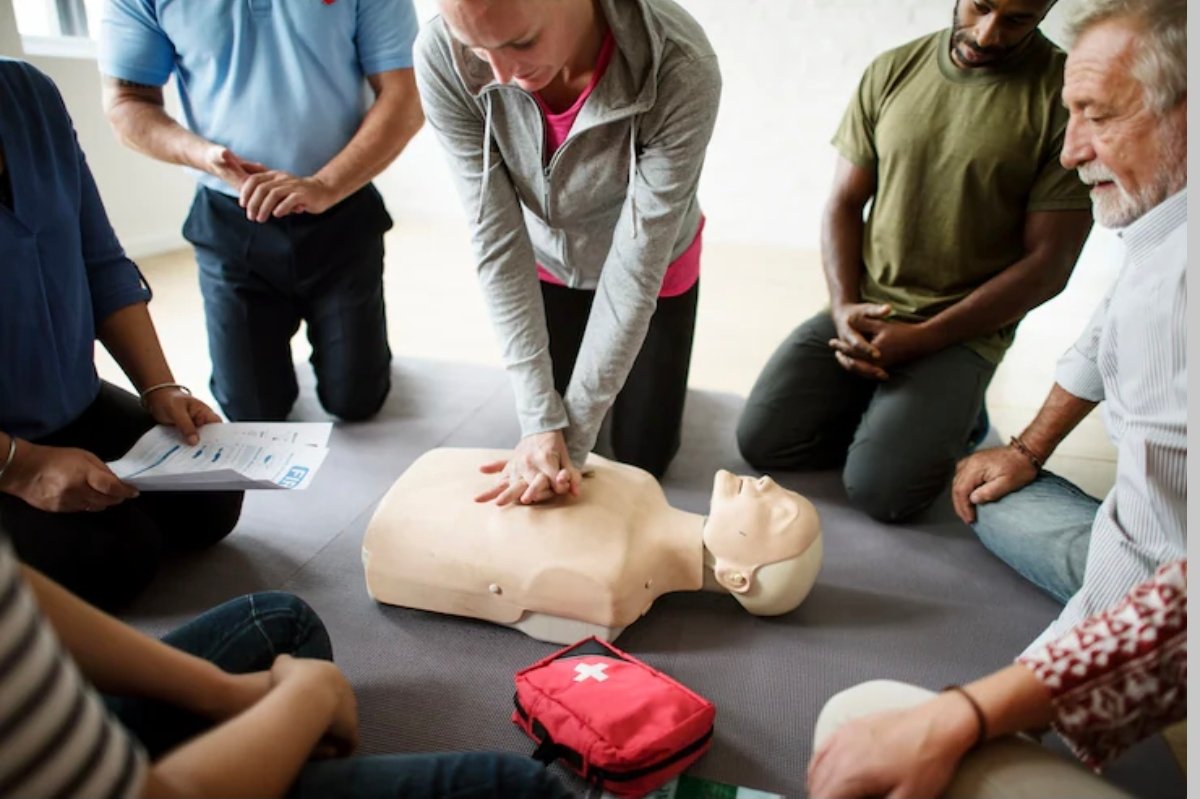

Workplace safety has become a major priority for businesses across many industries. Whether employees work in offices, warehouses, construction sites, retail stores, or healthcare environments, the ability to respond effectively during an emergency can make a significant difference. As organisations continue to focus on employee well-being and risk management, workplace first aid training is becoming an increasingly valuable investment.
In recent years, employers have recognised that first aid knowledge is not only about meeting workplace requirements. It is also about creating a safer environment where employees feel confident and prepared to handle unexpected situations. This growing awareness has contributed to the rising demand for quality first aid training programs throughout many communities, including Joondalup.
Why Does Workplace First Aid Matter?
Medical crises and accidents may occur at any time. A worker may experience a fall, suffer a burn, develop a sudden illness, or require immediate assistance before professional medical help arrives. In these situations, the actions taken during the first few minutes are often critical.
Employees who have completed workplace first aid training are better equipped to assess situations, provide initial care, and support injured individuals until emergency services arrive. This quick response can help reduce the severity of injuries and improve outcomes for those involved.
Workplace first aid training also promotes a culture of responsibility. Workers are more likely to take proactive measures to stop accidents before they happen as they become more aware of possible risks.
Supporting Business Continuity
Every business relies on its workforce to maintain productivity and operations. When workplace incidents occur, they can lead to disruptions, absenteeism, and financial losses. Investing in employee training helps organisations reduce these risks.
When staff members understand how to respond during emergencies, businesses can manage incidents more effectively. Employees feel reassured knowing that trained colleagues are available to assist if needed. This confidence contributes to a more positive and secure work environment.
Many organisations are now incorporating fast first aid and CPR training into their broader workplace safety strategies because it provides practical skills that can be applied immediately in real-world situations.
Building Employee Confidence
The confidence that comes from first aid training is one of its biggest advantages. Many people feel uncertain when faced with an emergency because they are afraid of making mistakes. Proper training helps remove this uncertainty by teaching clear and practical response techniques.
Employees learn how to remain calm under pressure, assess risks, communicate effectively, and provide appropriate assistance. These skills are valuable not only in the workplace but also at home and within the community.
Confidence gained through training often encourages individuals to take greater responsibility for workplace safety and contribute more actively to creating a safer environment for everyone.
Meeting Modern Workplace Expectations
Today’s workplaces are expected to place greater emphasis on employee health and safety than ever before. Clients, customers, employees, and regulatory bodies all recognise the importance of maintaining high safety standards.
Giving first aid instruction shows a dedication to worker well-being and job readiness. It shows that an organisation values its people and is willing to invest in their safety.
Many businesses are also choosing fast CPR training programs because they offer practical instruction that can help employees respond quickly during cardiac emergencies, where every second can matter.
Encouraging Teamwork During Emergencies
Effective emergency response often requires teamwork. During workplace incidents, employees may need to coordinate actions, communicate clearly, and support one another while managing the situation.
First aid training helps build these teamwork skills. Participants learn how to work together, share responsibilities, and follow established emergency procedures. As a result, organisations often find that trained teams respond more efficiently during critical situations.
This collaborative approach strengthens workplace culture and reinforces the importance of looking out for fellow employees.
Adapting To Diverse Workplace Risks
Different industries face different safety challenges. Construction workers may encounter physical hazards, while office employees could face medical emergencies such as cardiac events or allergic reactions. Manufacturing environments, retail spaces, and educational facilities each present their own unique risks.
Workplace first aid training provides employees with the knowledge needed to address a variety of emergency scenarios. This flexibility makes training valuable across virtually every industry.
Businesses seeking first aid Joondalup programs often do so because they recognise the importance of preparing employees for a wide range of workplace situations rather than focusing on a single type of risk.
Creating Long-Term Workplace Benefits
The value of first aid training extends far beyond immediate emergency response. Trained employees often become stronger advocates for workplace safety, helping to identify hazards and encourage safe practices among colleagues.
Over time, this increased awareness can contribute to fewer accidents, improved morale, and a stronger safety culture. Employees appreciate working in organisations that prioritise their well-being, which can also support staff retention and job satisfaction.
Conclusion
The growing value of workplace first aid training reflects the evolving priorities of modern businesses. Organisations are increasingly recognising that emergency preparedness is an essential part of maintaining a safe, productive, and supportive work environment. By equipping employees with practical skills, building confidence, encouraging teamwork, and promoting safety awareness, workplace first aid training delivers benefits that extend well beyond compliance requirements. First aid training will continue to be a crucial part of workplace success as long as companies make investments in the health of their employees.