
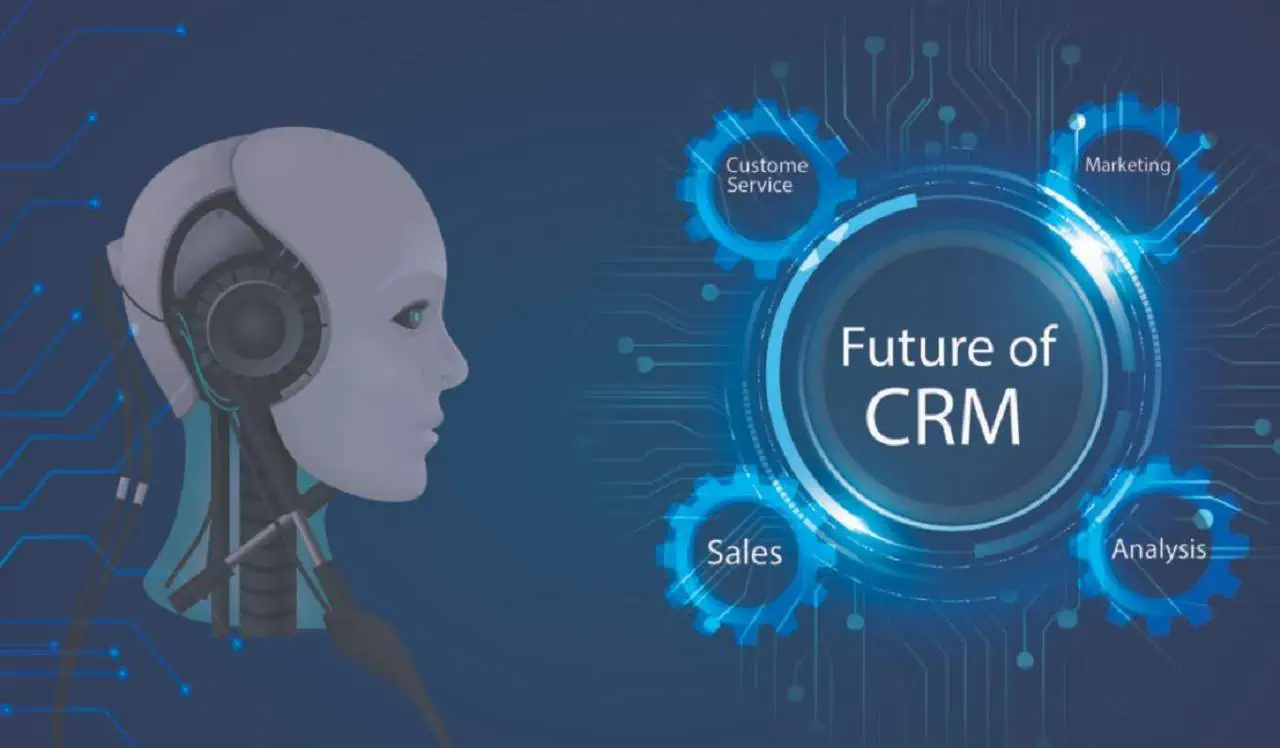

Most VC firms believe they have an investor intelligence problem they can solve by upgrading their CRM. They cannot. CRMs are not intelligence platforms, they are relationship-state systems, and trying to make a CRM do the job of a private market intelligence platform is one of the most common architectural mistakes funds make in 2026.
The two systems answer fundamentally different questions. A CRM answers: “What is the state of my relationship with this person right now?” An intelligence platform answers: “What is the state of the market right now, regardless of whether I know anyone in it yet?” These are not the same question, and no CRM upgrade closes the gap.
What a CRM does well
CRMs are excellent at relationship-state tracking:
- Who at the firm knows whom outside it
- When the last touch happened on each relationship
- What was said in past meetings
- What the next action is and who owns it
- How a contact moves through the firm’s pipeline
These are essential capabilities. Every fund needs them. They are not market intelligence.
What a CRM cannot do
CRMs are weak at everything that requires market-state visibility:
- Tracking continuous investor activity across thousands of funds you do not yet know
- Surfacing companies gaining traction in your sectors before they fundraise
- Mapping co-investor patterns across the broader market
- Detecting sector heat shifts that should reshape your sourcing
- Identifying new partners and new funds that are now active
These tasks require a different data architecture. A CRM is built around your contacts. An intelligence platform is built around the entire market, the part you know plus the much larger part you do not.
The integration story, not the replacement story
The right answer is not to pick CRM or intelligence, it is to integrate both. The intelligence platform feeds the CRM with new entities (companies, investors, partners) when they become relevant. The CRM tracks the relationship as it develops with those entities.
The data flow looks like:
- Intelligence platform surfaces a new active investor or emerging company
- Relevant signal is pushed into the CRM with full context
- CRM tracks the relationship from initial outreach onward
- CRM data feeds back into intelligence platform for behavioral signals
- Intelligence layer continues monitoring the entity even after the CRM stage is complete
This loop is how modern funds operate. Funds that try to use a CRM for both layers end up with relationship data trapped inside the firm, useful for managing what they already know, useless for finding what they do not.
The data layer underneath
The intelligence platform is only as useful as its data freshness. Static data is functionally equivalent to no data because the market moves faster than quarterly refreshes. To be useful, the intelligence layer must source from a real active investor database that updates continuously and reflects the actual market state.
The data layer needs to track:
- Investor activity at partner level, not just firm level
- New fund formations as they happen
- Partner moves between firms
- Sector and stage focus shifts
- Co-investor pattern changes
CRMs do not source this data. They consume it from upstream intelligence layers.
The org chart implication
The fund teams that have figured this out tend to organize around the integration. There is typically a platform or operations function responsible for the intelligence layer, managing the data, configuring the alerts, integrating with downstream tools. There are investment professionals (associates, principals, partners) using the CRM as their primary daily interface, with intelligence signals piped to them through the CRM and email.
Funds that try to make individual partners run both layers end up with intelligence work falling through the cracks. The dedicated platform function is not optional at any scale beyond 5 partners.
Why funds resist this architecture
The most common objection to running both systems is cost. The honest analysis: intelligence platforms have come down in price significantly in the last 3 years. Combined cost of CRM + intelligence platform for a mid-sized fund is comparable to what funds spent on legacy databases alone in 2020. The real cost difference is internal, building the integration discipline.
The funds that get past this resistance compound an information advantage every quarter. The funds that resist keep duct-taping their CRM into roles it was never designed for and wondering why their sourcing feels reactive.
Where the CRM ends and intelligence begins
The line is clean once you see it. The CRM ends at the boundary of what your firm already knows. The intelligence layer begins at the boundary of what is happening in the market regardless of your firm’s awareness. Both are essential. Neither replaces the other. Funds that use real-time investor data feeding their existing CRM operate on a fundamentally different cadence than funds running CRM-only stacks.