
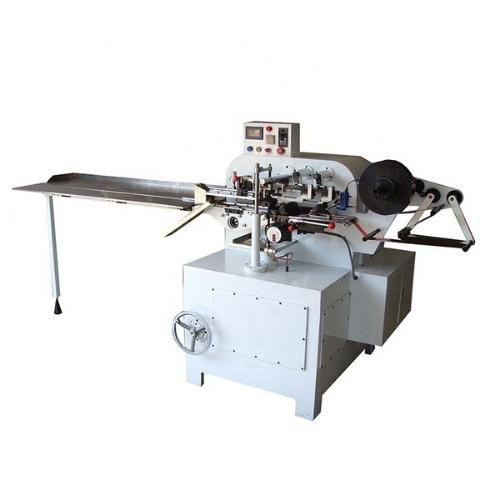

In the era of Industry 4.0 and digital transformation, the food packaging machine is undergoing a remarkable evolution, incorporating smart technologies that are revolutionizing the way food products are packaged, tracked, and quality-controlled. The integration of sensors, data analytics, and connectivity is transforming traditional packaging equipment into intelligent systems capable of self-monitoring, self-adjusting, and self-optimizing, delivering unprecedented levels of efficiency, quality, and traceability. The food packaging machine is no longer just a mechanical device but rather a sophisticated cyber-physical system that collects data, analyzes performance, and communicates with other systems throughout the production and supply chain. The industry that manufactures these smart packaging solutions has invested heavily in research and development, creating machines that incorporate artificial intelligence, machine learning, and advanced sensor technologies to meet the evolving needs of food producers. The global adoption of smart food packaging machines continues to accelerate, driven by the need for greater efficiency, the demand for enhanced traceability, and the recognition that data-driven decision-making is essential to competitive advantage in the food industry. Understanding the technological innovations and smart features transforming food packaging machines is essential for food manufacturers, production engineers, and technology professionals who recognize that digital transformation is fundamental to the future of food production.
The Sensor Technology and Real-Time Monitoring Systems
The sensor technology integrated into modern food packaging machines provides unprecedented visibility into machine performance, product quality, and production efficiency, enabling real-time monitoring and rapid response to changing conditions. The temperature sensors monitor the sealing temperature continuously, providing real-time feedback that enables precise control of the heating elements and ensures consistent seal quality across every package, regardless of variations in ambient temperature or production speed. The pressure sensors monitor the sealing pressure, detecting variations that could affect seal quality and enabling automatic adjustments to maintain consistent sealing conditions. The vision inspection systems use cameras and image processing algorithms to inspect each package for defects such as improper filling, missing labels, damaged seals, and contamination, and these systems can operate at high speeds while detecting imperfections that would be invisible to the human eye. The weight sensors monitor the fill weight of each package, providing real-time feedback that enables automatic adjustments to maintain optimal accuracy and minimize product giveaway. The film tension sensors monitor the tension of the packaging film as it feeds through the machine, detecting variations that could indicate problems with the film roll or the feeding mechanism, and enabling adjustments that prevent film breakage or misalignment. The integration of these sensors with the machine’s control system enables automated adjustments and real-time quality monitoring, reducing the need for manual inspection and ensuring that every package meets the required quality standards.
The Artificial Intelligence and Machine Learning Applications
The application of artificial intelligence and machine learning to food packaging machines is enabling unprecedented levels of performance optimization, predictive maintenance, and quality control, representing a significant advancement in packaging technology. The machine learning algorithms analyze historical performance data to identify patterns and predict potential failures, enabling predictive maintenance that schedules repairs before breakdowns occur, reducing costly downtime and extending equipment life. The artificial intelligence systems optimize packaging parameters in real-time, learning from production data to continuously refine settings and achieve the optimal balance of speed, quality, and efficiency for each specific product and packaging configuration. The intelligent quality control systems use deep learning algorithms to detect subtle defects that would be invisible to traditional inspection methods, continuously improving their detection capabilities as they are exposed to more data and more types of defects. The adaptive control systems adjust packaging parameters automatically in response to variations in product characteristics, environmental conditions, or other factors, ensuring consistent quality without manual intervention. The predictive analytics systems forecast maintenance needs, material requirements, and production output, enabling more effective planning and resource allocation. The AI-powered optimization of the food packaging machine represents a significant advancement in packaging technology, enabling manufacturers to achieve levels of efficiency, quality, and reliability that were previously unattainable.
The Connectivity and Industry 4.0 Integration
The connectivity features of modern food packaging machines enable integration with broader manufacturing systems, creating a connected, intelligent production environment that supports Industry 4.0 initiatives and digital transformation. The Industrial Internet of Things connectivity enables the food packaging machine to communicate with other machines and systems throughout the production and distribution chain, providing real-time visibility into production performance and enabling more effective coordination of the entire manufacturing process. The cloud connectivity enables remote monitoring and diagnostics, with technicians able to access machine data and provide support from anywhere in the world, reducing the need for on-site visits and minimizing downtime. The integration with manufacturing execution systems enables automated data collection, production scheduling, and quality management, streamlining operations and reducing the need for manual data entry and reporting. The integration with enterprise resource planning systems enables automated material replenishment, inventory management, and financial reporting, supporting more effective business planning and decision-making. The data analytics platforms aggregate and analyze data from multiple food packaging machines, providing insights into overall production performance and enabling continuous improvement across the entire manufacturing operation. The connectivity features of the food packaging machine are essential to achieving the levels of efficiency, visibility, and control that are required in the modern digital factory.
The Future of Smart Packaging Technology
The food packaging machine is poised for continued evolution, with emerging technologies and innovations promising to enhance performance, expand capabilities, and create new possibilities for food manufacturers. The development of blockchain integration is enabling enhanced traceability and transparency, with data from the food packaging machine captured and recorded on immutable ledgers that provide consumers and regulators with confidence in product authenticity and safety. The advancement of digital twin technology is enabling virtual simulation and optimization of packaging operations, with engineers able to model and test process changes without disrupting actual production, reducing the risk and cost of process improvements. The integration of augmented reality is transforming maintenance and training, with technicians able to access visual guidance and support through AR headsets, improving the efficiency and effectiveness of maintenance and training activities. The development of self-healing systems is an emerging frontier, with machines capable of detecting and correcting minor issues without human intervention, further reducing downtime and improving reliability. The advancement of sustainable packaging materials is driving innovation in machine design, with food packaging machines being developed to handle biodegradable, compostable, and recyclable materials that reduce environmental impact. The future of the food packaging machine is one of continuous innovation, driven by the needs of food manufacturers for greater efficiency, flexibility, and sustainability, and the companies that embrace these technologies will be well-positioned to lead the industry into the future.