

Introduction
Modern power infrastructure is the backbone of economic growth, industrial expansion, and everyday life. From residential neighborhoods to commercial facilities and manufacturing plants, uninterrupted electricity is essential for productivity and comfort. However, maintaining large-scale transmission and distribution networks is becoming more challenging as grids expand, age, and face rising environmental pressures. Traditional inspection methods often require significant manpower, lengthy shutdowns, and exposure to hazardous conditions.
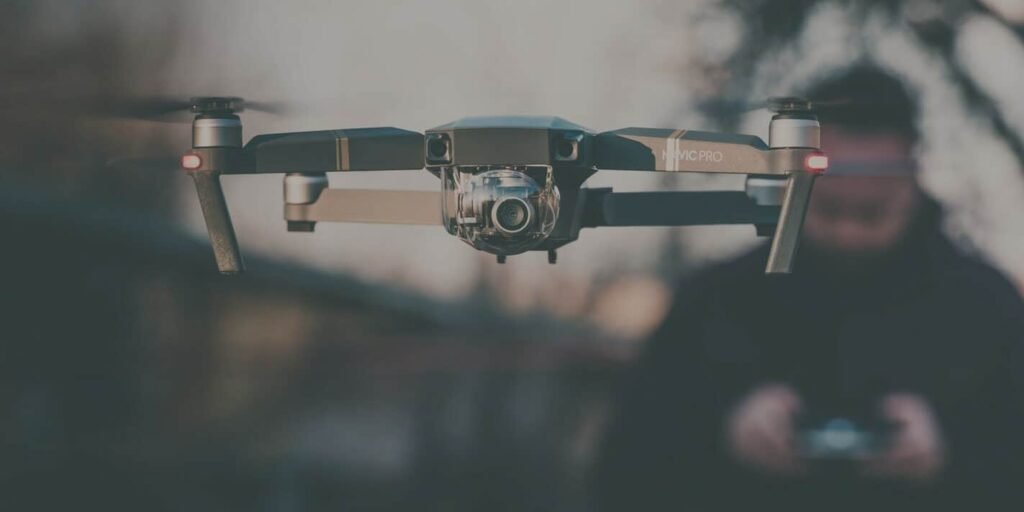
This is where power grid drone monitoring solutions are transforming the future of utility management. By integrating drones into grid inspection and maintenance strategies, companies can detect issues faster, improve worker safety, reduce operational costs, and increase system reliability. Businesses worldwide are turning to advanced aerial monitoring technologies to modernize infrastructure management.
At Gulfnet, innovation is at the center of operational excellence. Through cutting-edge drone services, Gulfnet helps organizations streamline inspections, monitor assets in real time, and make data-driven maintenance decisions. As power networks become more complex, drone technology offers a smarter and more efficient path forward.
The Growing Need for Smarter Grid Maintenance
Power grids consist of vast networks of transmission towers, substations, transformers, overhead lines, underground systems, and distribution points. These assets are constantly exposed to weather changes, corrosion, vegetation growth, overload conditions, and natural wear over time.
Conventional maintenance practices often rely on:
- Manual tower climbing inspections
- Helicopter surveys
- Ground patrols
- Scheduled preventive checks
- Reactive repairs after failures
While these methods have served utilities for decades, they also come with limitations such as:
- High operational costs
- Safety risks for technicians
- Delayed fault detection
- Limited inspection frequency
- Difficulty reaching remote locations
- Inconsistent reporting quality
As utility operators seek better ways to manage infrastructure, power grid drone monitoring solutions provide an efficient and future-ready alternative.
What Are Power Grid Drone Monitoring Solutions?
Power grid drone monitoring solutions use unmanned aerial vehicles equipped with advanced sensors, cameras, and analytics software to inspect and monitor electrical infrastructure.
These drones can be deployed to inspect:
- Transmission towers
- High-voltage power lines
- Substations
- Transformers
- Switchyards
- Renewable energy connections
- Distribution poles
- Remote grid assets
With high-resolution imaging, thermal sensors, LiDAR mapping, and AI-powered analytics, drones can identify defects long before they become critical failures.
At Gulfnet, these smart solutions are designed to help utilities maximize uptime while minimizing maintenance costs.
How Drone Technology Is Transforming Grid Maintenance
1. Faster Inspections with Greater Coverage
Manual inspections of large grid systems can take days or weeks. Drones can cover wide areas in a fraction of the time.
Benefits include:
- Rapid tower-to-tower inspections
- Quick aerial route surveys
- Faster post-storm damage assessment
- Immediate visual documentation
- Reduced maintenance backlog
With power grid drone monitoring solutions, utilities gain the ability to inspect more assets more frequently.
2. Improved Worker Safety
Power grid maintenance can expose workers to dangerous conditions such as:
- High-voltage environments
- Tower climbing hazards
- Harsh weather
- Remote terrain
- Traffic risks near roadside assets
Drones reduce the need for personnel to enter hazardous areas unnecessarily. Instead of climbing towers or working near energized equipment, operators can inspect assets safely from the ground.
Gulfnet prioritizes worker safety by delivering remote inspection capabilities that reduce physical risk while improving operational efficiency.
3. Real-Time Fault Detection
One of the biggest advantages of drone monitoring is the ability to identify issues early.
Drones can detect:
- Cracked insulators
- Loose fittings
- Corroded hardware
- Broken conductors
- Vegetation encroachment
- Hotspots in electrical systems
- Structural damage
Using thermal cameras and visual sensors, power grid drone monitoring solutions provide real-time insights that support immediate action before failures occur.
4. Reduced Downtime and Outages
Unexpected outages can disrupt homes, businesses, hospitals, and industries. They also lead to expensive emergency repairs and reputational damage.
Drone inspections help prevent outages by identifying weak points early. Maintenance teams can prioritize repairs based on real condition data instead of waiting for breakdowns.
This predictive approach allows Gulfnet clients to maintain service continuity and strengthen grid resilience.
5. Cost Savings Across Operations
Traditional inspection programs often involve expensive equipment, transport logistics, and labor-intensive processes.
Drone-based inspections lower costs by reducing:
- Helicopter usage
- Manual climbing teams
- Fuel expenses
- Inspection time
- Emergency repair frequency
- Unplanned shutdowns
Over time, power grid drone monitoring solutions generate substantial ROI through smarter maintenance planning.
Advanced Technologies Used in Grid Drone Monitoring
High-Resolution Visual Cameras
Capture detailed images of towers, cables, and components to identify visible wear and damage.
Thermal Imaging Cameras
Detect abnormal heat signatures caused by overloaded connections, failing transformers, or deteriorating components.
LiDAR Scanning
Creates precise 3D models of terrain, towers, and vegetation around power lines.
GPS and Mapping Systems
Allow accurate flight paths, asset tracking, and geo-referenced reporting.
AI Analytics
Automatically analyze inspection data, flag anomalies, and prioritize maintenance actions.
At Gulfnet, combining these technologies ensures highly accurate inspection outcomes.
Applications of Power Grid Drone Monitoring Solutions
Transmission Line Inspection
Long-distance transmission corridors are difficult to inspect manually. Drones can monitor line integrity, tower condition, and vegetation threats efficiently.
Substation Monitoring
Substations contain critical equipment that must operate reliably. Drones inspect transformers, breakers, busbars, and structures without interrupting operations.
Vegetation Management
Trees near power lines are a major cause of outages. Drone mapping helps utilities detect encroachment and schedule trimming proactively.
Storm Damage Assessment
After storms or natural disasters, drones rapidly survey affected areas and help restoration teams prioritize repairs.
New Infrastructure Surveys
Drones support planning for new grid expansion projects by mapping terrain and access routes.
Why Utilities Choose Gulfnet
Choosing the right service provider is essential for successful drone deployment. Gulfnet stands out through expertise, advanced equipment, and customized service delivery.
Industry Experience
Gulfnet understands the challenges faced by utility operators and infrastructure managers.
Tailored Solutions
Every power network is different. Gulfnet designs drone programs based on asset type, geography, and operational goals.
High Safety Standards
Strict flight procedures, regulatory compliance, and risk management ensure safe project execution.
Actionable Reporting
Clients receive detailed reports, imagery, analytics, and recommendations that support fast decisions.
Scalable Services
Whether monitoring a small distribution network or a national transmission corridor, Gulfnet can scale services accordingly.
The Role of Predictive Maintenance
Traditional maintenance schedules are often based on time intervals rather than actual asset condition. This can result in unnecessary maintenance or missed failures.
Drone inspections support predictive maintenance by providing real-world asset data.
Examples include:
- Monitoring corrosion progression
- Detecting recurring hotspots
- Tracking structural movement
- Measuring vegetation growth trends
- Comparing component condition over time
Using power grid drone monitoring solutions, Gulfnet helps clients shift from reactive repairs to proactive asset management.
Environmental Benefits of Drone Monitoring
Drone-based maintenance is also a more sustainable option.
Compared with helicopters and repeated vehicle patrols, drones reduce:
- Fuel consumption
- Carbon emissions
- Noise pollution
- Disturbance to ecosystems
- Road traffic impact
For organizations focused on sustainability goals, drone monitoring supports greener operations while improving performance.
Challenges Solved by Drone Solutions
Utilities often face recurring issues such as:
- Aging infrastructure
- Difficult terrain access
- Rising maintenance costs
- Limited inspection staff
- Extreme weather damage
- Increasing reliability demands
Power grid drone monitoring solutions directly address these challenges with smarter workflows, faster data capture, and better maintenance visibility.
Future Trends in Grid Drone Technology
The next generation of drone solutions will include:
Autonomous Inspection Missions
Scheduled drone flights with minimal manual intervention.
AI Defect Recognition
Faster automated detection of faults and anomalies.
Digital Twin Integration
Real-time digital models of grid assets for planning and maintenance.
Cloud Reporting Platforms
Instant access to inspection data from anywhere.
Swarm Drone Operations
Multiple drones inspecting large grid systems simultaneously.
Gulfnet remains committed to adopting the latest technologies to deliver long-term value to clients.
Why Businesses Should Act Now
Waiting for failures to occur is expensive and risky. Aging grids, climate pressures, and rising demand make modern inspection strategies essential.
Organizations that invest in power grid drone monitoring solutions today gain:
- Better reliability
- Lower maintenance costs
- Faster emergency response
- Safer operations
- Stronger asset lifespan
- Improved customer satisfaction
With Gulfnet as a trusted partner, businesses can modernize maintenance operations and stay ahead of future challenges.
Conclusion
The energy industry is entering a smarter era where data, automation, and aerial intelligence are reshaping infrastructure management. Traditional inspection methods are no longer enough to meet the demands of expanding and aging power systems. Faster inspections, predictive maintenance, reduced risk, and lower operating costs are now essential priorities.
That is why power grid drone monitoring solutions have become a game-changing investment for utilities and industrial operators worldwide. By leveraging advanced drone technology, Gulfnet helps organizations improve grid reliability, enhance worker safety, and make smarter maintenance decisions.
As infrastructure becomes more connected and performance-driven, companies that adopt drone monitoring today will lead the energy systems of tomorrow. Gulfnet also extends advanced aerial services into adjacent sectors, including Oil & Gas Thermal Drone Inspection, delivering intelligent asset monitoring across critical industries.