

A car oil company does far more than sell bottles of oil. It researches, blends, tests and ships the fluids that keep engines, gearboxes and electric drivetrains running, and it works with workshops, distributors and vehicle brands to make sure the right fluid reaches the right vehicle. The work sits somewhere between chemistry, manufacturing and logistics, and it has changed a great deal as electric vehicles have arrived.
TERZO is one example of how the business now looks. It supplies engine oils for passenger cars, diesel and motorcycles, transmission and gear oils, coolant and brake fluid, and a dedicated range of electric vehicle fluids. It also offers its products to partners who want to sell them under their own brand. That mix of products and partnership work is typical of a modern supplier. The fluids have to work across a wide range of temperatures and loads, from a cold start on a winter morning to a long motorway run in summer heat, and that range is what makes the blending work so demanding.
The core job: blending fluids for different vehicles
Every vehicle needs several fluids, and each one has a different job. Engine oil lubricates moving parts, carries heat away, and keeps deposits from building up inside the engine. Transmission fluid and gear oil protect gears under heavy load. Coolant keeps temperatures stable, and brake fluid transfers the force from the pedal to the brakes. Getting any of these wrong can shorten the life of the part it protects, so the blending has to be precise.
A car oil company starts with base oils and adds carefully chosen additives: detergents, anti-wear agents, corrosion inhibitors and viscosity modifiers. The recipe differs for a small petrol car, a heavy diesel truck and a motorcycle, because each engine runs at different temperatures and loads. The finished product is then tested against the standards set by vehicle makers and industry bodies before it is ever sold. Even a small change in the additive mix can alter how the oil behaves under pressure, which is why reputable blenders test every recipe against the standards for the vehicles it is meant to serve.
What changed when electric vehicles arrived
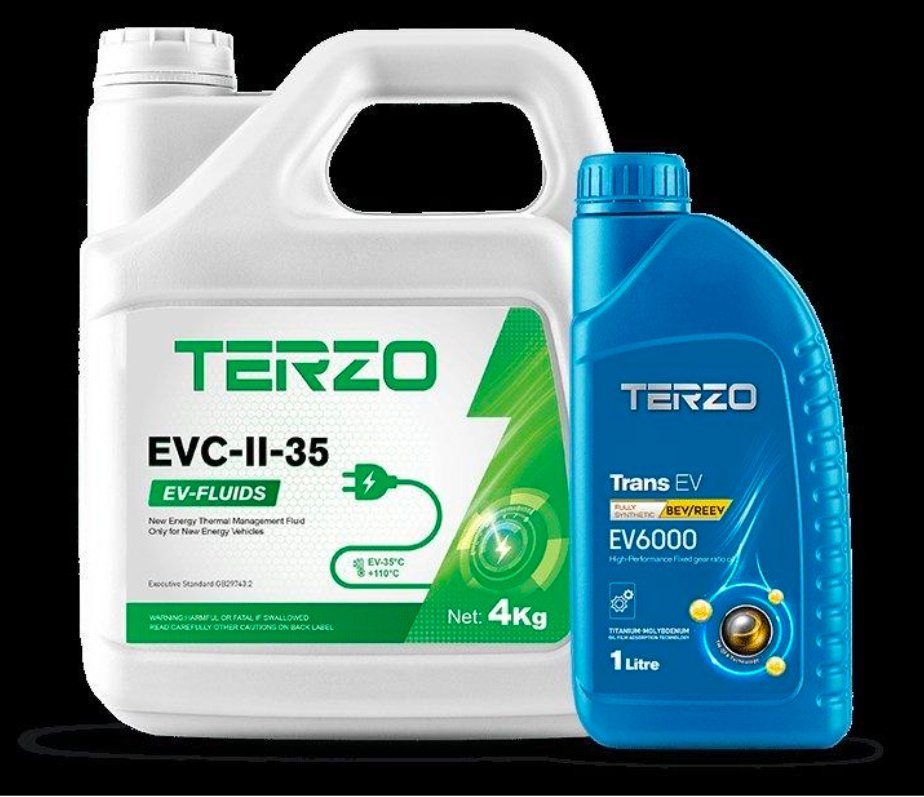
Electric vehicles have no engine oil in the traditional sense, but they still need fluids. Their motors, gearboxes and batteries generate heat, and the fluids that cool and lubricate them must work with high-voltage parts and sensitive electronics. TERZO’s electric vehicle fluid range is made for this, and the company lists compatibility with battery-electric models from Tesla, NIO, XPENG, IM Motors and Xiaomi, as well as range-extended models from Li Auto, Leapmotor and AITO.
That shift has changed what a supplier needs to know. The old questions about combustion deposits matter less, while questions about electrical insulation, thermal management and material compatibility matter more. A car oil company that wants to stay relevant has to learn the new chemistry while still serving the millions of petrol and diesel vehicles on the road. Most suppliers now do both, and will do for many years.
How the products reach drivers
Very few drivers buy oil directly from the company that blended it. The usual path runs through distributors, workshops and retailers, with the oil company supplying the product, the technical data and often the marketing material. A workshop needs to know exactly which grade to use for each car that comes in, so the supplier’s data sheets and training matter as much as the oil itself.
Some suppliers also work as partners for other brands. TERZO offers OEM and ODM arrangements, which means another company can sell TERZO-blended products under its own label, with low minimum orders starting from a single carton. That lowers the barrier for a small brand or a regional distributor that wants its own product line without building a blending plant of its own.
What to look for in a supplier
For a workshop or a distributor, the quality of a supplier shows up in a few practical ways. The first is consistency: every batch of the same product should behave the same way, because a workshop cannot afford to discover that this month’s oil is different from last month’s. The second is documentation, with clear specifications and approvals that match what vehicle makers ask for.
The third is support. A good supplier answers technical questions, helps with product training, and provides the labels, catalogues and digital material a distributor needs to sell. A car oil company is judged as much on that support as on the fluid in the bottle, and the suppliers that last are usually the ones that treat their distributors as partners rather than just customers.
At its simplest, such a company turns chemistry into reliability: the right fluid, made the same way every time, in the hands of the people who fit it. The products have changed with electric vehicles, and they will keep changing, but the core test stays the same. If the fluid protects the parts it serves and arrives when it is needed, the company behind it is doing its job. The next time a service light comes on, it is worth remembering that the fluid going in matters as much as the spanner work around it.