
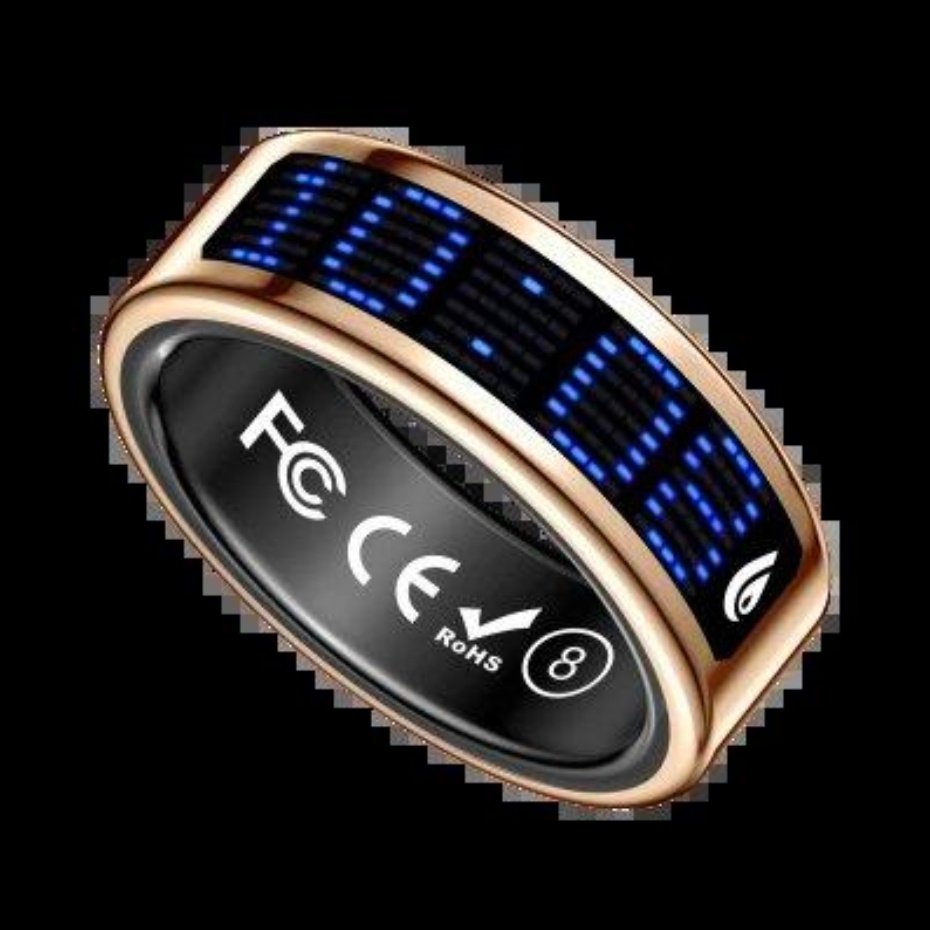

A health smart ring is a small ring that tracks your body while you wear it, measuring things like heart rate, sleep, and activity without a screen or a strap. It looks like an ordinary ring, and that is the whole idea: it sits on your finger all day and night, quietly collecting data that a watch or a phone cannot get as easily. For people who do not want to wear a watch to bed, it is a neat answer.
The ring works with sensors pressed against the skin of your finger, and it sends what it finds to an app on your phone. The app turns the raw numbers into something you can read, like a sleep score or a daily activity total. This article explains what the ring measures, how it does it, and what to expect from wearing one.
What it measures, and how
The main job of a health smart ring is tracking the things that change slowly through the day. Heart rate is the headline one, measured with light sensors that watch the blood flow in your finger. The ring also tracks sleep, breaking the night into light, deep, and REM stages, and it watches your movement so it can count steps and estimate how active you have been.
Some rings also track blood oxygen and skin temperature, which change when you are ill or run down. The temperature reading is especially useful over time, because a small rise from your own normal level can show up a day or two before you feel unwell. None of these readings is a medical diagnosis, and the ring does not pretend to be one, but the patterns over weeks are genuinely useful.
Why a ring, and not a watch
The finger is a good place to measure from. The skin there is thin, the blood vessels are close to the surface, and the ring stays in close contact all the time. A watch can slide around on the wrist, especially at night, and that movement adds noise to the readings. A ring that fits well stays put, which is why the sleep data from rings is often steadier than the sleep data from a watch.
There is also the comfort question. Many people take a watch off at night because it is bulky or the strap irritates them, and that is exactly when sleep tracking matters most. A ring is light, has no screen to glow in the dark, and does not need charging every day. Most rings run for several days on a charge, so they stay on your finger while you sleep, which is the point.
- Get the size right, or the readings suffer
- Wear it on the same finger every day
- Charge it while you shower so it rarely leaves your finger
What the app does with the data
The health smart ring itself has no screen, so the phone app is where you actually see what it has found. A good app shows the trends, not just the numbers from today: your average resting heart rate over the last month, how your sleep has changed, and whether your activity is going up or down. Trends are what matter, because a single day of data tells you very little on its own.
The app also needs to be honest about what it does not know. If the ring was off your finger for part of the night, the sleep reading should say so, not guess. Look for an app that flags gaps plainly, lets you export your data, and does not lock your history behind a subscription you did not expect. The ring is the hardware; the app is where you live with it.
Choosing one that fits your life
Start with fit. Rings are sized, and a ring that is too loose will slide and give poor readings, while one that is too tight is uncomfortable and will end up in a drawer. Many makers send a sizing kit first, and it is worth using it properly, trying the size for a day or two before ordering. Your fingers change size slightly through the day, so test it in the evening as well as the morning.
Then look at battery life, water resistance, and what the app charges for. A ring you have to charge every other day is a ring you will forget to wear, and a ring that cannot get wet is a ring you will keep taking off. Check what the app includes for free and what needs a subscription, and make sure the features you actually want are in the free part. The best ring is the one you forget you are wearing.
A health smart ring is a quiet piece of technology: no screen, no buzzing, just steady measurements from your finger and a clear picture of your sleep and activity over time. It does less than a smartwatch, and that is a fair trade for something you can wear all night without noticing it.
If you are thinking about one, get the size right first, then check the battery, the water resistance, and the app. Wear it every day for a few weeks before judging it, because the value is in the pattern, not in any single night.