
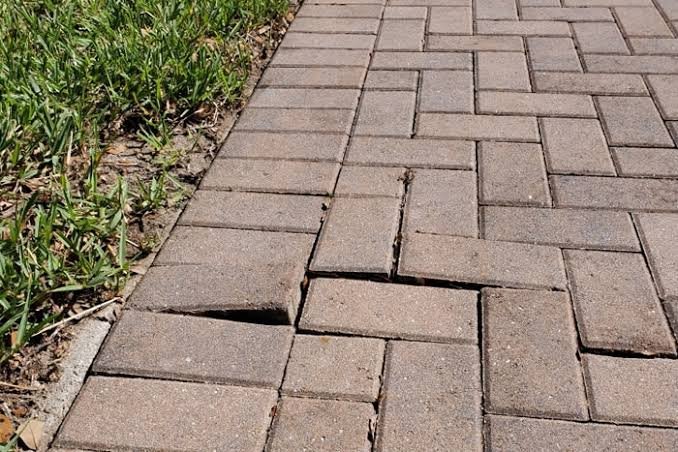

Reading the Warning Signs Before They Spread
A homeowner notices the garage slab has pulled away from the driveway by nearly an inch. Water pools near the foundation after every rainstorm, and a hairline crack has started creeping along the basement wall. None of these things happened overnight. They are the slow result of soil moving beneath a structure that was never designed to flex with it.
Concrete itself rarely fails on its own. It cracks, sinks, or tilts because the ground supporting it has changed shape. Soil expands when saturated and contracts when dry, and that cycle repeats every season in most climates. Under a slab that was poured decades ago, years of this swelling and shrinking create voids that the concrete can no longer bridge.
Older homes are especially prone to this because building codes and soil preparation standards were different when they were constructed. A slab poured on poorly compacted fill might hold for ten or fifteen years before the first signs of settling appear. By the time a visible dip or crack shows up on the surface, the support structure below has often been compromised for a while already.
Ignoring these early signals rarely makes them go away. A small gap at a joint can widen within a single wet season, and a slight tilt in a patio slab can become a tripping hazard faster than most people expect. Addressing the issue early, before the concrete itself cracks or breaks apart, tends to cost far less than waiting until replacement is the only option left.
Matching the Repair Method to the Actual Problem
Once a property owner understands that uneven concrete is a soil problem wearing a concrete disguise, the next step is figuring out which repair approach fits the situation. This is where concrete levelling and lifting comes into the conversation, since the method used to raise and stabilize a slab depends heavily on what caused it to sink in the first place. A driveway settling evenly across its width needs a different fix than a sidewalk section that has rotated along one edge.
Polyurethane foam injection has become a common choice for many residential jobs because it cures quickly and adds very little extra weight to the soil it is correcting. Technicians drill small holes, pump expanding foam beneath the slab, and the material fills voids while gently raising the concrete back toward its original position. The holes are patched afterward, and in many cases the slab can bear weight again within an hour or two.
Mudjacking, an older method using a cement-based slurry, still gets used in certain situations, particularly on larger slabs where the budget favors a heavier fill material. It takes longer to cure and the equipment involved is bulkier, but for some commercial surfaces it remains a practical option. A contractor who inspects the site in person is usually in the best position to say which method suits the soil conditions and the slab’s history.
What matters most is diagnosing the cause correctly before any lifting begins. A slab that sank because of a leaking pipe underneath it will sink again if the leak isn’t fixed first, regardless of how well the concrete gets raised. Drainage issues, tree root intrusion, and inconsistent soil compaction all need to be identified, because treating the symptom without addressing the source just delays the next round of settling.
Property owners who schedule an inspection at the first sign of unevenness generally have more options available to them than those who wait. A slab caught early might only need a modest amount of foam to level out, while one left for years could require more extensive underpinning work. Getting ahead of the problem tends to save money, time, and the frustration of watching a walkway or garage floor become a hazard instead of a convenience.