
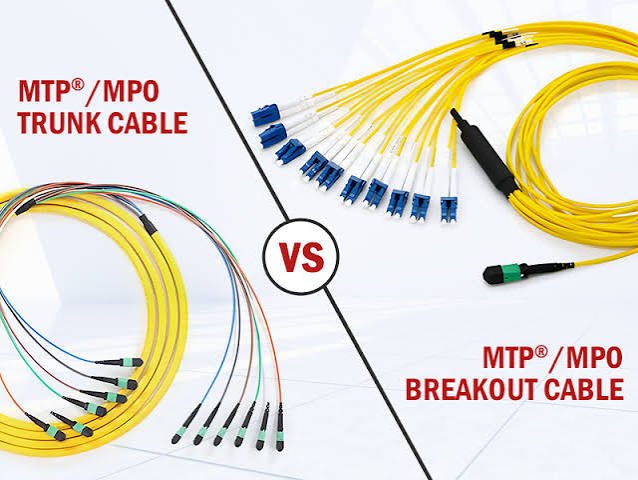

Adding fiber capacity to a network sounds simple until you actually sit down to plan it — because the real decisions aren’t about the cable itself, they’re about how the whole system connects end to end. An mpo trunk cable sits at the center of that planning process, but getting the architecture right means thinking through polarity, cassette configurations, and migration paths well before a single cable gets installed.
Why Architecture Planning Comes Before Cable Selection
It’s tempting to treat an MPO trunk cable as a simple product decision — pick a fiber count, order it, install it. In practice, the cable is only one piece of a larger system that includes cassettes, adapter panels, and polarity method, all of which need to work together correctly or the network simply won’t pass signal the way it’s supposed to. Planning the architecture first prevents the common and frustrating scenario of installing a trunk cable only to discover it doesn’t match the polarity scheme used elsewhere in the network.
Understanding Polarity Methods
Because MPO connectors carry multiple fibers through one interface, maintaining correct polarity — ensuring each transmit fiber connects to the corresponding receive fiber at the other end — requires a deliberate method rather than guesswork.
Method A uses a straight-through trunk cable paired with cassettes that handle the polarity flip internally, keeping patch cords simple and identical at both ends.
Method B flips polarity within the trunk cable itself, requiring patch cords with a specific orientation at each end to complete the circuit correctly.
Method C builds the polarity flip into the trunk cable at the pair level, offering another route to the same result with different cassette and patch cord requirements.
None of these methods is inherently better — the right choice depends on what’s already standardized elsewhere in a network and what a given cassette and patch cord ecosystem supports. Mixing methods without a clear plan is one of the most common causes of connectivity issues in newly installed high-density fiber systems.
Cassette-Based vs. Direct-Connect Architecture
Cassette-Based Systems
Cassette-based architecture breaks an MPO trunk cable’s fibers out into individual LC or SC connections at each end, which suits environments where equipment still terminates on traditional single-fiber connectors. This approach adds a layer of hardware but offers more flexibility when connecting to a mix of legacy and modern equipment.
Direct-Connect (MPO-to-Equipment) Systems
Where switches and transceivers accept MPO connections directly, skipping the cassette breakout entirely reduces connection points and potential loss along the signal path. This tends to suit newer data center deployments built around equipment designed specifically for MPO-based connectivity from the start.
Choosing between these approaches early avoids purchasing trunk cables or cassettes that don’t match the equipment actually being deployed.
Planning for Migration, Not Just Installation
Matching Today’s Needs Without Boxing In Tomorrow’s
A network built purely around current equipment often needs costly rework the moment speeds increase or new equipment is introduced. Choosing an MPO trunk cable architecture with some flexibility — extra fiber count, compatible polarity method, cassette options that can be swapped without re-cabling — tends to save significant cost during the network’s next upgrade cycle.
Documenting the System as It’s Built
High-density fiber systems get complicated fast, especially once multiple trunk cables, cassettes, and patch panels are in place. Keeping clear documentation of polarity method, fiber counts, and cable routing from day one saves enormous troubleshooting time later, particularly when a different team ends up managing the network years after initial installation.
Common Planning Mistakes to Avoid
Mixing polarity methods without a clear system. Combining Method A and Method B components in the same network without careful mapping is a fast route to non-functioning links that are difficult to diagnose.
Underestimating future fiber count needs. Installing exactly enough fiber for today’s requirements often means a costly re-cabling project within a few years as bandwidth needs grow.
Overlooking cassette compatibility. Not every cassette works with every trunk cable polarity type, and assuming compatibility without checking specifications is a common source of installation delays.
Skipping a pre-installation test plan. Deciding how the system will be verified — which links get tested, with what equipment, against what pass/fail criteria — after installation has already begun tends to slow projects down rather than speed them up.
Working With a Manufacturer During the Planning Stage
A manufacturer that can advise on polarity method selection, cassette compatibility, and realistic fiber count planning during the design phase — rather than simply fulfilling an order after the fact — tends to prevent most of the architecture-level problems that surface after installation. This kind of technical input is worth seeking out before finalizing a bill of materials, not after cables have already arrived on site.
Final Thoughts
An MPO trunk cable is only as effective as the architecture it’s built into. Getting polarity method, cassette strategy, and future fiber capacity right during the planning stage does far more for a network’s long-term reliability than any single product decision made in isolation — and it’s a lot cheaper to solve on paper than to rebuild after the fact.