
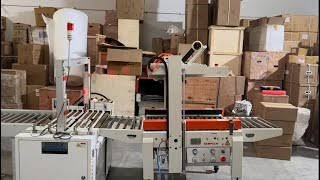

Watch a carton box packing machine run for even a minute and it looks almost deceptively simple — a flat piece of cardboard goes in one end, a sealed, product-filled box comes out the other. What’s actually happening in between involves a surprisingly coordinated sequence of mechanical, pneumatic, and electronic systems working in sync. Understanding that sequence makes it much easier to evaluate, maintain, and troubleshoot a carton box packing machine once it’s running on a real production floor.
What a Carton Box Packing Machine Actually Does
At its most basic, a carton box packing machine takes a flat carton blank, shapes it into a box, loads product into it, and seals it closed — condensing what used to be several manual steps into one continuous automated process. The exact sequence and mechanism vary depending on the machine type, but the underlying goal is always the same: consistent, fast, tamper-evident packaging with minimal human handling.
The Core Components Inside the Machine
Control Panel
The control panel is effectively the machine’s brain, built around a programmable logic controller (PLC) paired with a human-machine interface (HMI). This is where operators set packaging parameters, monitor live performance, and receive alerts if something goes wrong during a production run.
Gear System and Electric Panel
An electric motor converts electrical energy into the mechanical force that drives conveyors, carton pressing, and roller movement throughout the machine, while the electric panel houses the main power supply and feeds the pneumatic systems that help move cartons and product through each stage.
Pneumatic System and Tooling
This is where carton blanks are stored and picked up, typically using a vacuum suction system that lifts and shapes each blank into a box. Adjustable mid-plates allow the machine to accommodate different carton sizes without a full mechanical overhaul.
Lubrication System
An automatic lubrication system protects gears, bearings, and belts from wear and rust, which matters enormously for machines expected to run continuously across long production shifts.
Safety Systems
An accessible emergency stop button, proper grounding, and shielded moving parts are standard on any well-designed carton box packing machine, both for operator protection and regulatory compliance.
The Step-by-Step Packing Sequence
A typical fully automatic carton box packing machine follows a fairly consistent sequence: a flat carton blank is drawn from storage and lifted by vacuum suction, then erected into its box shape as it moves into the loading area. Product is loaded into the open carton, after which the machine folds the flaps using a cam mechanism, seals the tongues, secures the lid, and applies adhesive for a full closure. Before moving on to the next stage of the line, the machine typically checks each carton’s seal integrity and routes any damaged units away from the good product stream.
Vertical vs. Horizontal Carton Packing Machines
Vertical Machines
Vertical carton packing machines feed cartons in from the top and rely partly on gravity, making them well suited to granular or loose-fill products, vials, and bottles. Their compact footprint and faster in-feed system also tend to result in a lower product damage rate compared to horizontal designs.
Horizontal Machines
Horizontal machines load product into cartons from the side and are generally built for high-speed, continuous operation, making them a common choice for packaging food items like cereal, coffee, or baked goods that have a stable enough base to be handled this way.
Choosing between the two usually comes down to the product itself — its shape, stability, and how it needs to be fed into the carton — rather than one style being universally superior.
Semi-Automatic vs. Fully Automatic Machines
The difference between these two categories comes down to how much human involvement the process still requires. A semi-automatic carton box packing machine needs an operator to manually supply cartons or product at certain stages and generally runs slower, while a fully automatic machine handles the entire sequence — from blank erection to final seal — with minimal manual intervention, making it the better fit for high-volume production.
Common Causes of Machine Failure
A handful of recurring issues tend to explain most carton box packing machine breakdowns: running the machine at excessive speeds without proper calibration, leaks or blockages in the suction tubing, poor vacuum suction positioning, loose fasteners affecting the transmission system, and blockages along the transmission channel that disrupt product or material delivery. Most of these are preventable with a consistent maintenance routine rather than reactive repairs after something fails.
Keeping a Carton Box Packing Machine Running Well
Routine care makes a measurable difference in a machine’s lifespan and reliability. That generally means cleaning the machine regularly to remove dust and debris, tightening loose components before they cause bigger problems, keeping lubrication levels topped up on schedule, and scheduling periodic full inspections rather than waiting for a visible fault to appear.
Final Thoughts
A carton box packing machine looks simple from the outside, but its reliability depends on a fairly intricate coordination of mechanical, pneumatic, and control systems working together at speed. Understanding how the pieces fit together — from the vacuum suction that shapes each blank to the sealing mechanism that closes it — makes it far easier to choose the right machine type, keep it running smoothly, and catch small problems before they turn into costly downtime.