
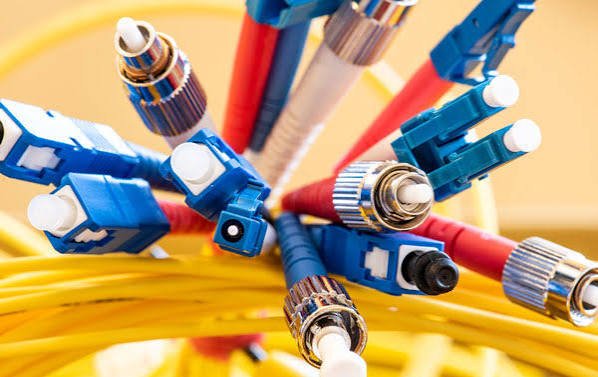

Sourcing custom fiber optic cables is not just about finding a factory that can manufacture fiber. It’s about finding a partner that understands your project’s specific requirements and can consistently deliver cables that meet them, order after order. This guide covers what buyers should evaluate before signing off on a supplier.
Start With Your Project Requirements
Before approaching any supplier, it helps to define the basics of the project: the installation environment, expected cable length, fiber count, and connector requirements. Custom fiber optic cables are typically built around these variables, so having clear specifications upfront speeds up the entire sourcing process.
Outdoor installations, for instance, generally call for armored or ADSS-style construction, while indoor structured cabling projects may prioritize LSZH jackets for fire safety compliance.
Production Capacity and Facilities
A supplier’s physical capacity is a practical indicator of reliability. Larger production facilities with multiple dedicated production lines are generally better equipped to handle both large bulk orders and smaller custom runs without long lead times.
It’s also worth asking about workshop size, number of production lines, and total staff, since these details give a realistic picture of whether a supplier can scale with your business as order volumes grow.
Engineering and R&D Support
Genuine customization requires more than a production line, it requires an engineering team capable of translating requirements into a working cable design. Suppliers with a dedicated R&D team are typically able to offer both ODM and OEM services, meaning they can develop new cable structures rather than only modifying existing catalog products.
This matters especially for buyers with non-standard requirements, such as unusual fiber counts, specialized jacket materials, or specific environmental resistance needs.
Certifications and Quality Control
Certifications are one of the fastest ways to verify a supplier’s manufacturing standards. Look for cables carrying CE, ROHS, and CPR certification, which confirm compliance with recognized safety and performance benchmarks.
Beyond certification, ask about the supplier’s internal quality control process. A structured system, covering incoming material inspection, in-process checks, final quality checks, and outgoing quality checks, helps catch defects before they reach the customer rather than after installation.
Industry Relationships and Experience
Suppliers that have built long-term relationships with major fiber producers often benefit from more stable raw material supply chains and stronger production consistency. Years of accumulated industry experience also tend to translate into smoother project execution, since experienced suppliers have already worked through common production and logistics challenges.
Application-Specific Considerations
Different applications call for different cable priorities:
- FTTH projects need cables that balance signal performance with flexibility for residential installation.
- Data centers require high-bandwidth cables with room for scalable configurations.
- 5G base stations depend on low-latency cabling built to handle large data volumes.
- Smart city infrastructure needs cabling that can support rising bandwidth demands while resisting interference.
Discussing your specific application with a potential supplier early on helps confirm whether their customization capabilities genuinely align with your project.
The Sample and Testing Stage
Before committing to a bulk order, it’s worth requesting samples for independent testing. A reliable supplier should be willing to go through a structured process: confirming specifications, developing samples, and testing performance, before moving to full production.
Skipping this stage is one of the most common reasons buyers end up with cables that don’t perform as expected once installed.
Final Thoughts
Choosing a custom fiber optic cables supplier is as much about evaluating processes and capabilities as it is about comparing price. Production capacity, engineering support, certifications, and a transparent sampling and testing process all play a role in determining whether a supplier can consistently deliver cables that match your project’s requirements.
Taking the time to vet these factors upfront reduces the risk of costly rework later and helps build a sourcing relationship that can support long-term project needs.