
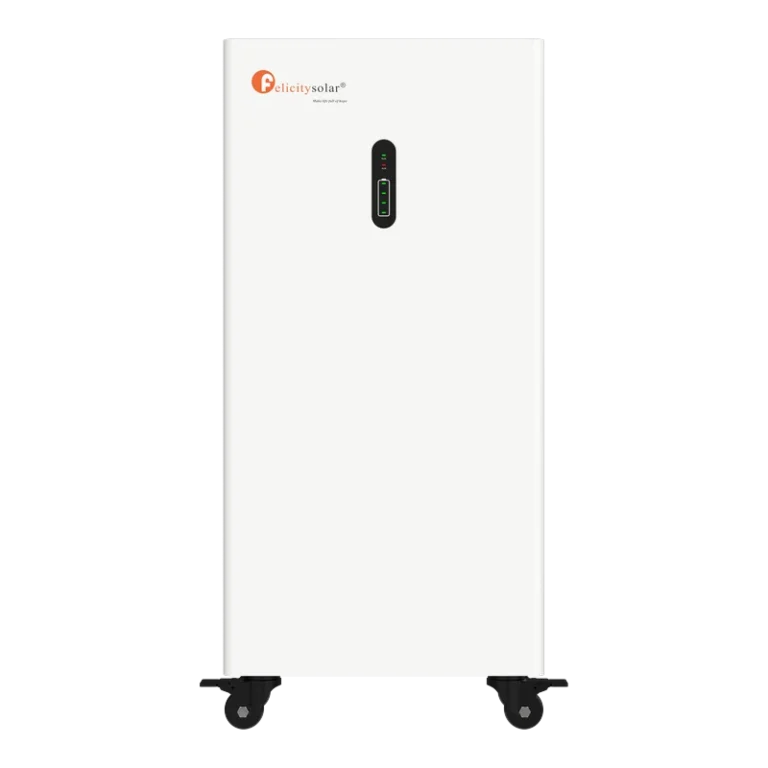

The decision to add a lithium ion solar battery to an existing or new solar installation is fundamentally a financial decision that requires careful analysis of costs, savings, incentives, and long-term returns across the system’s lifetime. The lithium ion solar battery delivers value through multiple channels that extend beyond simple energy arbitrage, encompassing demand charge reduction, participation in grid services markets, protection against utility rate increases, and avoidance of costly production interruptions. For residential customers, the primary financial benefit is increased solar self-consumption, where the battery captures excess solar generation that would otherwise be exported to the grid at wholesale rates and stores it for use during evening peak periods when retail electricity prices are two to four times higher. This time-of-use optimization, when combined with time-varying utility rates, can reduce annual electricity bills by 30 to 50 percent for many homeowners, delivering annual savings of $1,200 to $2,500 depending on system size and local utility rates. For commercial customers, the financial benefits are often more compelling, because peak shaving reduces demand charges that can constitute 30 to 70 percent of a monthly electricity bill, and participation in demand response and capacity markets adds additional revenue streams. The annual savings for a typical commercial system can range from $10,000 to $50,000 or more, depending on the facility size and rate structure.
The Incentive Landscape and Policy Support
The economics of the lithium ion solar battery are significantly enhanced by the incentive landscape and policy support available across different markets, which can reduce the effective cost of the system by 30 percent or more. The federal Investment Tax Credit provides a 30 percent credit on the cost of solar-plus-storage systems when the battery is charged primarily from solar, reducing the net cost of the system and improving the return on investment. State-level incentives add additional support, with some states offering rebates of $200 to $500 per kilowatt-hour of storage capacity, performance-based incentives that pay for delivering stored energy to the grid, and low-interest financing programs that reduce the cost of capital. The net metering policies, where available, provide credits for excess solar energy exported to the grid, effectively using the grid as a virtual battery and enhancing the value of solar generation, with typical credit rates ranging from retail to wholesale electricity prices. The self-generation incentive programs offered by some utilities provide upfront rebates for energy storage installations, with payments of $0.50 to $1.50 per watt-hour of storage capacity. The property assessed clean energy financing programs enable property owners to finance the cost of the lithium ion solar battery through a property tax assessment, spreading the cost over 10 to 20 years and making the investment accessible to a broader range of customers. The incentive landscape is evolving rapidly, with new programs and policies being introduced regularly, and working with experienced solar installers and financial advisors is essential to maximize the available incentives.
The Total Cost of Ownership and Payback Period
The total cost of ownership of a lithium ion solar battery must consider not just the upfront capital cost but also the ongoing operating costs, replacement costs, and the value of the energy savings and other benefits over the system’s lifetime. The upfront cost of a lithium ion solar battery has fallen dramatically, from $1,000 per kilowatt-hour in 2010 to $200 to $400 per kilowatt-hour in 2025, and this trend is expected to continue as manufacturing scales up and technology improves. The cost of installation, which includes the inverter, wiring, labor, and permitting, typically adds 20 to 30 percent to the total system cost, and this cost varies significantly by region and installer. The operating costs of a lithium ion solar battery are minimal, consisting primarily of electricity for the battery management system and occasional maintenance of the cooling system, with typical annual costs of $50 to $200 for residential systems and $500 to $2,000 for commercial systems. The replacement cost of the lithium ion solar battery at the end of its 10 to 15 year life is a significant consideration, and the manufacturer’s warranty and anticipated lifespan should be carefully evaluated. The payback period for a residential lithium ion solar battery typically ranges from 5 to 10 years, depending on local electricity rates, available incentives, and system size, while the payback period for commercial systems is often shorter at 3 to 7 years due to larger demand charge savings. The net present value of a lithium ion solar battery investment, which considers the present value of all future savings and revenues minus the present value of all costs, is typically positive for most customers in markets with favorable incentives and rate structures.
The Financing and Ownership Structures
The financing and ownership structure selected for a lithium ion solar battery system significantly impacts the financial returns and the accessibility of the investment, with options ranging from outright purchase to third-party ownership to innovative financing arrangements. The outright purchase model, where the system owner buys the battery outright, captures all the financial benefits and offers the highest long-term returns, but it requires significant upfront capital and may not be accessible to all property owners. The solar loan model, where the owner borrows the funds to purchase the battery and repays the loan over time, offers a middle ground that captures the financial benefits while spreading the cost, with loan terms typically ranging from 5 to 20 years and interest rates varying based on creditworthiness and market conditions. The power purchase agreement model, where a third party owns the battery and sells the stored energy to the property owner at a contracted rate, offers immediate savings with no upfront investment, but the property owner does not capture the full financial benefits or the tax incentives. The lease model, where the property owner pays a fixed monthly fee for the use of the battery, provides predictable costs and immediate savings but also limits the financial benefits captured by the property owner. The innovative financing arrangements, including on-bill financing where the repayment is made through the utility bill, and green bonds where institutional investors provide funding for energy storage projects, are expanding the range of options available to property owners. The selection of the appropriate financing structure depends on the property owner’s financial position, tax situation, risk tolerance, and strategic objectives, and working with experienced energy storage financiers is essential to structuring a successful arrangement.
The Competitive Advantage for Commercial and Industrial Users
The lithium ion solar battery provides a significant competitive advantage for commercial and industrial users by reducing operating costs, enhancing energy security, and improving environmental performance. The reduction in electricity costs through demand charge reduction, time-of-use optimization, and participation in grid services markets can improve the bottom line and enhance competitiveness in price-sensitive industries. The energy security provided by the backup power capability of the lithium ion solar battery protects businesses from the financial losses associated with power outages, which can be catastrophic in some industries. The environmental benefits of the lithium ion solar battery, including reduced greenhouse gas emissions and lower carbon footprint, support corporate sustainability goals and enhance brand reputation with environmentally conscious consumers. The participation in green energy programs and the ability to achieve green building certifications such as LEED and Energy Star can provide marketing advantages and attract environmentally conscious customers and employees. The future electricity price certainty provided by the lithium ion solar battery, which locks in a significant portion of electricity costs through the system’s lifetime, reduces exposure to utility rate increases and improves long-term financial planning. The lithium ion solar battery is not just an energy storage device but a strategic business asset that enhances competitiveness and builds long-term value.