

A roof rarely fails where people expect it to. Ask the roofers Milwaukie OR homeowners call before the rains and they point you to the edges, the penetrations, and the valleys long before the open field gives out. The middle of the roof, the part you can see from the street, is usually the last thing to go. What lets water in is smaller and meaner than a worn shingle, and in this climate it has eight months a year to do its work. The practical takeaway is simple. A fall inspection that targets the real weak points costs a fraction of a full reroof, and it keeps a wet Portland winter from turning a small problem into a ceiling repair.
The Roof Wears Out At The Edges First
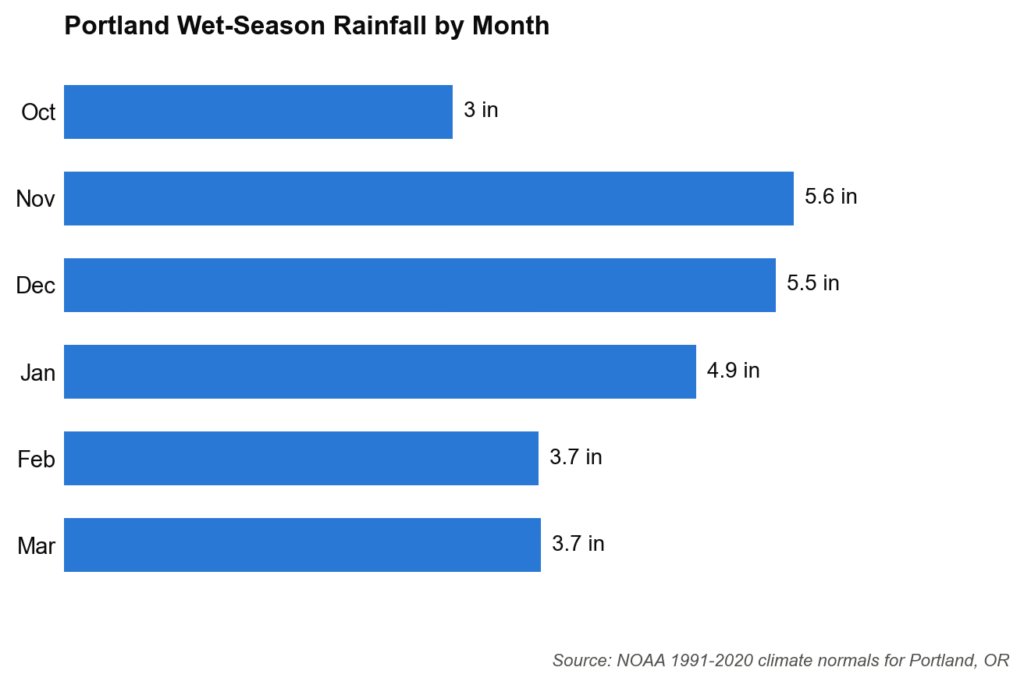
Water is the day job. From October through March the metro sits under one atmospheric river after another, and every storm tests the flashing around chimneys, vents, and skylights rather than the shingles themselves. When one of those rivers stalled in March 2026, Hillsboro broke its 24 hour rainfall record at 1.39 inches, according to National Weather Service figures reported at the time. Portland tied a mark that had stood since 2002.
Heat is the night job, and it does its damage in July and August. Building scientist Joseph Lstiburek has documented that a poorly vented attic can run the roof sheathing around 10 degrees hotter, which by the Arrhenius aging math trims roughly 10 percent off a shingle’s useful service life. Neither force looks dramatic on its own. Stacked over a decade, though, they decide whether a roof reaches year twenty or quits at fifteen.
Moss And Bad Flashing Do The Quiet Damage
Asphalt still covers most of the homes on any Milwaukie street, so most of what goes wrong here goes wrong on asphalt. Fixing those shingles is only getting pricier, too. More than half of roofing contractors, 55 percent, reported rising labor costs in 2026, according to Roofing Contractor’s 2026 State of the Roofing Industry report. That is one more reason to catch a small failure before it spreads across the whole roof. In this climate the shingles live or die by two things the brochure never mentions, and the first is the flashing. The leak we see most often does not come from a shingle at all. It starts at a chimney, a skylight, or a sidewall where the metal has lifted a sixteenth of an inch and let a season of runoff sneak underneath.
Moss is the slower killer, and how the trade fights it has changed a lot. Ten years ago the standard move was a harsh treatment every couple of years and a lot of scrubbing, which stripped granules right along with the moss. Today most quality shingles ship with copper or zinc infused granules that suppress growth. The smarter fix is a strip of zinc flashing near the ridge that meters out a little metal every time it rains. The old way treated the symptom. The new way starves the moss before it takes hold, and that small change quietly adds years.
Here is why the wet season is so unforgiving to a marginal roof. Water is patient, and it always finds the shortcut. A flashing gap that would dry out in a Denver summer never gets the chance here, because the next storm arrives before the last one has drained. Granule loss opens tiny channels. Moss holds moisture against the surface like a wet sponge. A nail that backed out an eighth of an inch turns into a funnel. None of these are emergencies in September, and every one of them can be a stain on a bedroom ceiling by February. A landlord with a fourplex near Johnson Creek found that out last winter, when a single lifted valley flashing fed water into a wall cavity for weeks before anyone saw a drop.
What Milwaukie Homeowners Ask Before Winter
Every fall the same questions come in, usually right after the first real storm. The honest answers are less alarming than most people brace for, because catching a problem early almost always means a repair instead of a replacement. Here is what homeowners actually ask.
How Do I Know If I Need A New Roof Or Just A Repair?
Most of the time it is a repair. Age matters, but a fifteen year old roof with sound shingles and one failed flashing detail is a repair, not a teardown. We usually recommend a full replacement only when the granule loss is widespread and the shingles have gone brittle across the whole field.
Is Moss On My Roof Actually A Problem?
It is, once it gets thick. A light green film is mostly cosmetic, but a spongy mat lifts shingle edges and holds water against the surface long after the rain stops. Left alone for a few winters, it will shorten the life of the shingles underneath it.
When Should I Schedule An Inspection?
Early fall, before the steady rain sets in. That gives time to reseal a flashing joint or clear a valley while the roof is dry and the work can actually cure. A spring check after the wet season is a smart second look, but the fall visit is the one that prevents the winter surprise.
A Dry Winter Starts With A Fall Checkup
A roof does not usually fail all at once, and it rarely warns you politely. It gives up one flashing joint, one valley, one clogged gutter at a time, and the wet season simply exploits whatever got left unfixed. That is the good news buried in all of this. The failures are small, predictable, and cheap to catch if someone looks before October. Homeowners who bring in roofers Milwaukie OR trusts for a fall once over spend a little to protect a lot. They head into the rainy months without watching the ceiling every time the wind picks up. Start with the flashing, keep the moss honest, and let the roof handle the rest.