
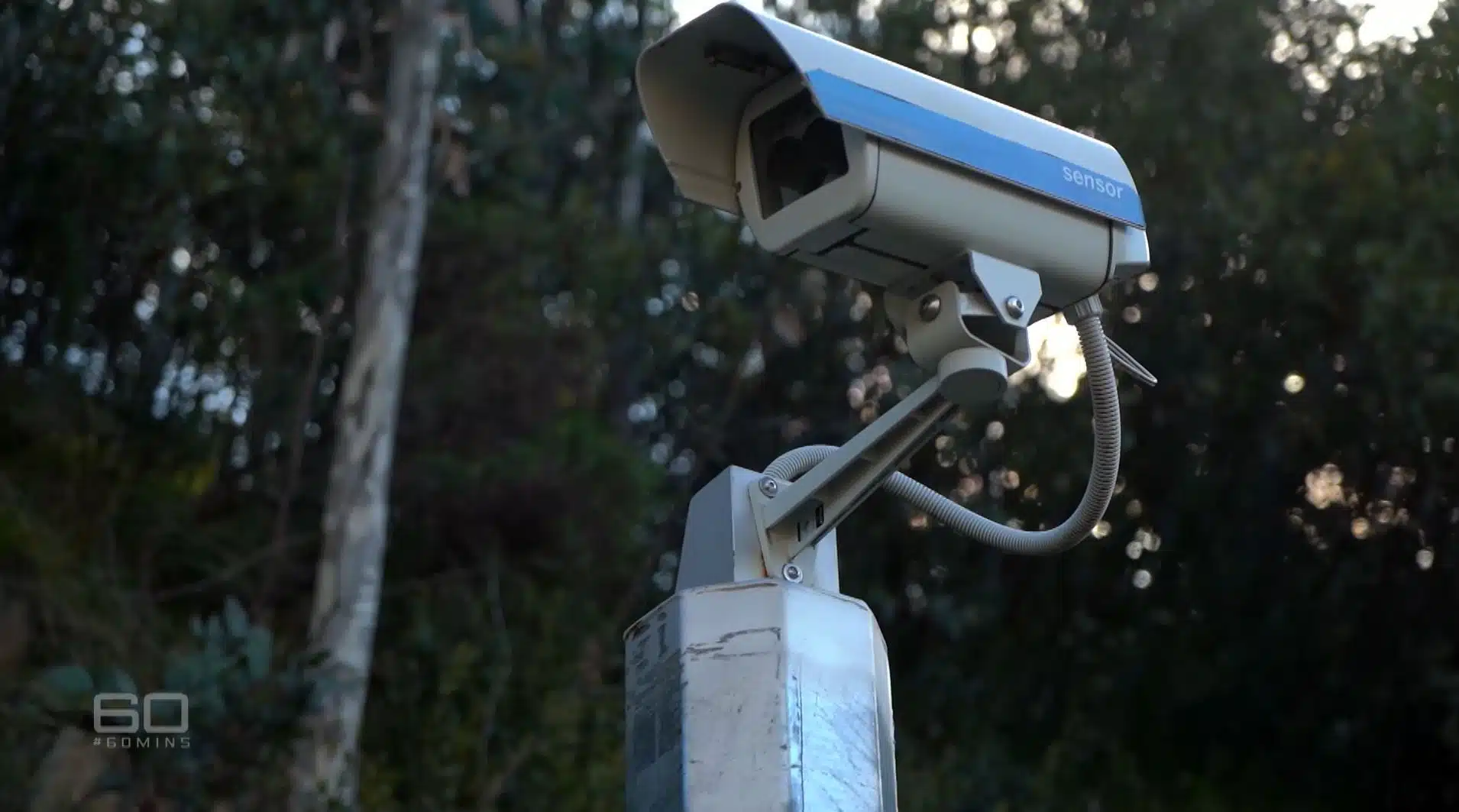

Modern parking facilities are evolving rapidly with the adoption of smart technologies. From shopping malls and airports to residential societies and corporate offices, automated parking management systems are becoming essential for improving security, reducing manual work, and enhancing user convenience. One of the most effective technologies driving this transformation is number plate detection.
By automatically recognizing vehicle registration numbers, businesses and organizations can streamline vehicle access, monitor parking activities, and strengthen overall security. When integrated with advanced security solutions such as an Under Vehicle Scanning System, parking areas become smarter, safer, and more efficient.
What is Number Plate Detection?
Number plate detection is an intelligent technology that uses cameras, image processing, and artificial intelligence to identify and read vehicle registration plates automatically. The system captures the image of a vehicle entering or exiting a parking area and converts the license plate information into digital data.
This technology is widely used in:
- Smart parking systems
- Toll plazas
- Residential complexes
- Commercial buildings
- Airports and railway stations
- Government and defense facilities
The automation provided by number plate detection reduces the need for manual verification and improves operational efficiency.
Enhancing Parking Security with Number Plate Detection
Security is one of the biggest concerns in modern parking management. Traditional parking systems rely heavily on security guards and manual record-keeping, which can lead to errors and security gaps. Number plate detection significantly improves security by automating vehicle monitoring and access control.
1. Real-Time Vehicle Monitoring
With number plate detection, every vehicle entering or leaving the premises is automatically recorded. This creates a digital database of vehicle movements, making it easier to track suspicious activities or unauthorized access.
Security teams can quickly retrieve vehicle information whenever required, improving incident investigation and reporting.
2. Preventing Unauthorized Access
Automated number plate detection systems can be connected to access barriers and gates. Only approved vehicles are allowed entry, while unauthorized vehicles are denied access instantly.
This is especially useful in:
- Gated communities
- Corporate campuses
- Industrial zones
- Government facilities
By reducing human dependency, the system minimizes the risk of security breaches.
3. Improved Blacklist and Watchlist Management
Parking systems equipped with number plate detection can maintain a blacklist database of suspicious or restricted vehicles. If a blacklisted vehicle attempts to enter, the system immediately alerts security personnel.
This proactive approach helps organizations respond quickly to potential threats.
Role of Under Vehicle Scanning System in Parking Security
While number plate detection identifies the vehicle registration, an Under Vehicle Scanning System adds another layer of security by inspecting the underside of vehicles.
The Under Vehicle Scanning System captures high-resolution images of the vehicle’s underbody to detect:
- Hidden explosives
- Illegal contraband
- Suspicious modifications
- Unauthorized objects
When combined with number plate detection, parking facilities achieve comprehensive vehicle screening and monitoring.
This integrated approach is particularly valuable in high-security locations such as:
- Airports
- Military bases
- Government offices
- Data centers
- VIP event venues
The combination of number plate detection and an Under Vehicle Scanning System creates a highly secure parking ecosystem.
Improving Parking Automation
Automation is one of the key benefits of number plate detection technology. It simplifies parking operations and improves the experience for both operators and users.
1. Faster Vehicle Entry and Exit
Traditional parking systems often create delays due to manual ticketing and verification. Number plate detection automates the process by instantly identifying registered vehicles and opening entry barriers automatically.
This reduces waiting times and improves traffic flow, especially during peak hours.
2. Ticketless Parking Experience
Modern parking facilities use number plate detection to enable ticketless parking. The system records the vehicle number at entry and calculates parking duration automatically at exit.
Benefits include:
- Reduced paper usage
- Faster processing
- Better user convenience
- Lower operational costs
3. Automated Billing and Payment
Parking systems integrated with number plate detection can automatically calculate parking fees based on vehicle entry and exit times. Users can make payments digitally through mobile apps, kiosks, or online platforms.
This automation improves accuracy and reduces manual billing errors.
4. Efficient Space Management
Smart parking systems can use number plate detection to monitor occupancy levels in real time. Operators can identify available parking spots and guide drivers accordingly.
This helps reduce congestion and optimizes parking space utilization.
Benefits for Businesses and Organizations
Implementing number plate detection technology offers several advantages for businesses and facility operators.
Enhanced Operational Efficiency
Automation reduces the need for manual supervision and paperwork, allowing staff to focus on higher-priority tasks.
Reduced Human Errors
Manual entry logs and ticket systems are prone to mistakes. Number plate detection ensures accurate and reliable data collection.
Better Customer Experience
Quick entry, seamless exit, and automated payments improve customer satisfaction and convenience.
Stronger Security Infrastructure
When integrated with an Under Vehicle Scanning System, organizations can significantly strengthen parking security and threat detection capabilities.
Data Analytics and Reporting
Parking operators can generate detailed reports on vehicle traffic, peak usage hours, occupancy rates, and security events. These insights help improve parking management strategies.
Applications of Number Plate Detection
The demand for number plate detection technology is increasing across multiple industries.
Residential Complexes
Residents enjoy automated gate access and improved visitor management.
Commercial Buildings
Businesses can manage employee and visitor parking more efficiently.
Shopping Malls
Automated parking systems reduce congestion and improve customer convenience.
Airports and Transportation Hubs
High vehicle traffic can be managed more effectively with automated monitoring systems.
Industrial and High-Security Areas
Integration with an Under Vehicle Scanning System ensures maximum security for sensitive facilities.
Future of Smart Parking Solutions
As smart city initiatives continue to grow, number plate detection will play an even bigger role in intelligent transportation and parking management systems. AI-powered analytics, cloud-based monitoring, and IoT integration are making these systems more advanced and efficient.
Future developments may include:
- Predictive parking management
- AI-based threat detection
- Contactless vehicle access
- Integration with electric vehicle charging systems
- Smart traffic management solutions
Organizations investing in number plate detection today are preparing for a safer and more automated future.
Conclusion
The growing need for secure and efficient parking management has made number plate detection an essential technology for modern facilities. By automating vehicle identification, improving traffic flow, and enhancing access control, this technology delivers both convenience and security.
When paired with an Under Vehicle Scanning System, organizations can create a comprehensive security solution capable of detecting threats and preventing unauthorized access. From residential complexes to high-security government facilities, the combination of automation and intelligent surveillance is transforming the future of parking management.
Businesses adopting number plate detection systems can improve operational efficiency, reduce costs, and provide a safer experience for users while staying prepared for the future of smart mobility.