
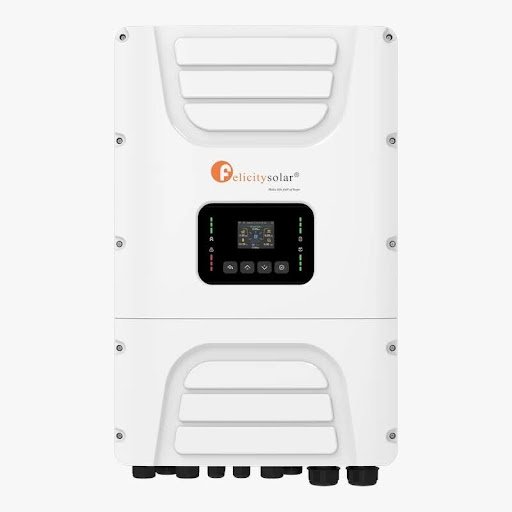

Off-grid energy systems are becoming increasingly important for homes, businesses, agricultural operations, and remote facilities that need dependable electricity without relying completely on a utility network. An essential component of these systems is the inverter, which converts stored or generated DC electricity into AC power for everyday electrical equipment.
Because the inverter plays such an important role, selecting a reliable off-grid inverter manufacturer is essential. The right manufacturer can provide suitable equipment, technical information, quality assurance, and ongoing support throughout the life of a solar power system.
Understanding Off-Grid Inverter Technology
An off-grid inverter is designed to supply electricity independently of a public power grid. It can receive energy from solar panels, batteries, generators, or a combination of different sources, depending on the system design.
Solar panels produce DC electricity, while most household and commercial equipment operates on AC electricity. The inverter performs the conversion between these two forms of electricity.
Many modern off-grid systems also include battery storage. During periods of strong solar production, excess electricity can be stored in batteries and used later when solar generation is low or unavailable.
Check the Manufacturer’s Product Range
A manufacturer’s product range can provide useful information about its capabilities. Companies serving different applications may offer several inverter capacities and configurations.
For example, a small residential installation may require a relatively compact inverter, while a commercial or agricultural project may need significantly greater power capacity.
A manufacturer with a broad product range may also make it easier to upgrade or expand a system as energy requirements change.
Consider System Compatibility
Compatibility should be carefully evaluated before purchasing an inverter. The inverter needs to work properly with the solar panels, batteries, electrical loads, and other equipment in the system.
Battery voltage is particularly important. The inverter should be designed for the voltage and battery chemistry being used.
Communication capabilities can also matter. Some systems allow the inverter to communicate with batteries, monitoring platforms, or other energy-management equipment.
Look at Efficiency and Performance
Energy efficiency is an important factor when selecting an inverter. Every conversion from DC to AC results in some energy loss, so an efficient inverter can help make better use of available solar and battery power.
Manufacturers should provide technical specifications describing operating efficiency, maximum output, input voltage range, and other relevant performance characteristics.
Buyers should compare specifications based on their actual application rather than relying only on marketing claims.
Review Safety and Protection Features
Electrical equipment needs appropriate protection to operate safely. Depending on the model, off-grid inverters may include protection against overloading, short circuits, overheating, voltage fluctuations, and other operating conditions.
A well-designed inverter should also include appropriate cooling and thermal management. This can be especially important in installations exposed to high temperatures or demanding operating conditions.
Installers should always follow the manufacturer’s installation instructions and applicable electrical requirements.
Manufacturing and Quality Control
The quality of the manufacturing process can have a direct effect on inverter reliability. When evaluating an off-grid inverter manufacturer, consider its production experience, quality control procedures, testing capabilities, and product development process.
Manufacturers may perform electrical, thermal, load, and safety testing before products are shipped. Buyers can ask for information about applicable certifications and quality standards when these are relevant to their market.
For commercial projects, consistent manufacturing quality becomes even more important because multiple systems may need to operate under similar conditions.
Warranty and Technical Support
Warranty terms are another important consideration. Buyers should understand how long the warranty lasts, what components are covered, and how claims are handled.
Technical support can be equally valuable. Installation teams may need assistance with configuration, troubleshooting, monitoring, or compatibility questions.
A manufacturer that provides clear documentation and responsive technical support can make installation and maintenance more straightforward.
Custom Solutions for Different Projects
Not every off-grid application has the same energy requirements. A remote telecommunications site, residential solar installation, irrigation system, and industrial facility may all require different inverter configurations.
Some manufacturers offer customization or engineering assistance for specialized projects. This may include different power ratings, communication protocols, enclosure requirements, or system configurations.
Before ordering customized equipment, buyers should provide accurate information about voltage, load requirements, operating environment, battery specifications, and expected usage.
Choosing a Manufacturer for Long-Term Projects
For businesses purchasing inverters regularly, it can be useful to evaluate the manufacturer’s production capacity and supply capabilities. Consistent availability can help reduce delays when multiple projects are being developed.
Communication is also important. Clear specifications, purchase agreements, delivery schedules, packaging requirements, and technical documentation can help avoid misunderstandings.
Businesses should also consider whether the manufacturer can continue supplying compatible products if the project expands in the future.
Conclusion
Choosing an off-grid inverter manufacturer involves evaluating much more than the purchase price. Product specifications, compatibility, efficiency, protection features, manufacturing quality, warranty terms, technical support, and customization capabilities all deserve attention.
A suitable inverter can help an independent energy system make effective use of solar generation and battery storage. By carefully comparing manufacturers and matching equipment to the project’s actual requirements, buyers can select an inverter solution designed for dependable operation in residential, commercial, agricultural, and remote applications.