
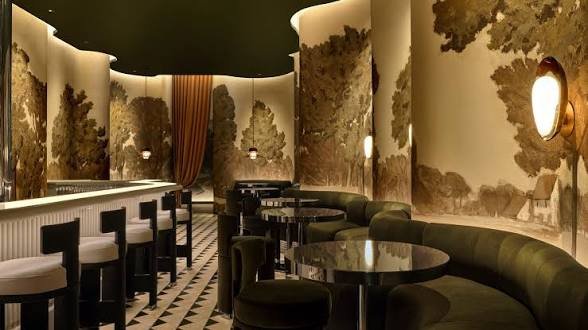

Toronto’s restaurant scene is known for its diversity, creativity, and constantly evolving dining experiences. From intimate cafés and contemporary bistros to upscale restaurants and vibrant food halls, each establishment competes not only through its menu but also through the atmosphere it creates. This is where a professional restaurant interior designer in Toronto can make a significant difference.
Restaurant interior design involves much more than selecting attractive furniture or choosing wall colors. A successful restaurant needs a space that reflects its brand, supports efficient operations, creates a comfortable customer experience, and encourages guests to return. Professional interior designers bring these elements together to create spaces that are both visually compelling and functional. Also check for high-end custom residential interior designers
Why Restaurant Interior Design Matters
The design of a restaurant can influence how customers perceive the entire dining experience. Before tasting the food, guests notice the entrance, lighting, seating arrangement, materials, colors, furniture, and overall atmosphere.
A thoughtfully designed interior can immediately communicate whether a restaurant is casual, luxurious, modern, traditional, family-friendly, or experimental. It can also help establish a recognizable identity that customers remember.
In Toronto’s competitive hospitality market, restaurants need to stand out. A carefully planned interior can become an important part of that differentiation.
Professional restaurant interior designers understand how to transform a concept into a physical environment. They consider the relationship between the restaurant’s identity, target customers, menu, service style, and available space.
Understanding the Restaurant’s Brand
Every restaurant has a story. The interior should help communicate that story.
For example, a contemporary Japanese restaurant might use natural wood, clean lines, subtle lighting, and minimalist details. A modern Italian restaurant could incorporate warm textures, stone, brass accents, and inviting seating. A casual neighborhood café may benefit from an approachable combination of comfortable furniture, natural materials, and flexible seating.
A restaurant interior designer in Toronto can work with owners to translate their vision into design elements that consistently communicate the brand.
This includes everything from color palettes and materials to furniture, lighting, artwork, signage, and decorative details.
The goal is not simply to create a beautiful room. It is to create an environment where every major design element contributes to the restaurant’s identity.
Balancing Style and Function
One of the biggest challenges in restaurant design is balancing aesthetics with functionality.
A restaurant may look impressive in photographs, but if servers struggle to move between tables or customers feel cramped, the design has failed to meet its practical purpose.
Professional designers consider circulation paths, table spacing, service areas, entrances, exits, waiting areas, washrooms, storage, and staff movement during the planning process.
The placement of tables is particularly important. Designers need to maximize seating capacity without making the dining room feel overcrowded.
A successful layout allows customers to feel comfortable while giving staff enough space to provide efficient service.
Creating the Right Atmosphere With Lighting
Lighting plays a major role in restaurant interiors. It can influence mood, visual comfort, and the way food and materials appear.
Bright lighting may work well for a casual breakfast café, while a fine-dining restaurant might benefit from softer, layered illumination.
Instead of relying on a single light source, designers often combine different types of lighting. Ambient lighting provides general illumination, task lighting supports specific activities, and accent lighting can highlight architectural features, artwork, or tables.
Lighting can also help define different zones within a restaurant. A bar area, dining room, waiting space, and private dining room can each have a slightly different atmosphere while still maintaining a cohesive design.
Choosing Materials That Perform
Restaurant interiors experience significant daily wear and tear. Tables, chairs, flooring, walls, counters, and other surfaces need to withstand frequent use and regular cleaning.
This makes material selection especially important.
A restaurant interior designer considers durability, maintenance, appearance, safety, and cost when selecting materials. Flooring, for example, needs to look attractive while handling high foot traffic. Upholstery should be practical for a busy dining environment, and countertops should be durable enough for continuous use.
The best materials combine performance with visual appeal.
Toronto restaurants also have to consider the character of their specific location. Materials and finishes can be selected to complement existing architectural elements or transform an ordinary space into a distinctive destination.
Making Small Restaurant Spaces Feel Larger
Not every Toronto restaurant has a large floor plan. In fact, many successful cafés, bars, and restaurants operate within compact spaces.
Good design can make a smaller restaurant feel more comfortable and spacious.
Designers can use appropriate furniture proportions, mirrors, strategic lighting, lighter finishes, vertical elements, and carefully planned circulation to improve the perception of space.
Built-in seating can sometimes make better use of limited areas than traditional tables and chairs. Flexible furniture can also allow a restaurant to accommodate different party sizes throughout the day.
The objective is to use every available square foot intelligently without sacrificing comfort.
Designing for Customer Experience
Modern restaurant design is increasingly focused on the complete customer experience.
Customers may interact with the restaurant from the moment they see its exterior. The entrance establishes the first impression. The host area creates the initial indoor experience, while the dining room, washrooms, lighting, furniture, acoustics, and even the spacing between tables contribute to the overall impression.
A restaurant interior designer considers these interactions as part of one continuous experience.
Details that might seem small can have a significant impact. Comfortable seating, appropriate table heights, convenient pathways, acoustic treatments, and well-positioned lighting can make guests feel more relaxed and encourage longer visits.
The Importance of Acoustics
Acoustics are sometimes overlooked during restaurant renovations, but they can strongly affect customer satisfaction.
Hard surfaces such as glass, concrete, tile, and metal can create excessive sound reflection. In a busy restaurant, this can make conversations difficult and create an uncomfortable level of noise.
Designers can address these challenges through acoustic ceilings, upholstered seating, wall treatments, curtains, decorative panels, and other sound-absorbing materials.
The objective is not necessarily to create a completely quiet environment. Instead, the goal is to create an appropriate sound level for the restaurant’s concept.
A lively bar may intentionally have more energy, while an upscale dining room may require a more controlled acoustic environment.
Incorporating Toronto’s Design Character
Toronto offers a unique mix of architectural styles, neighborhoods, cultures, and design influences. A restaurant can take inspiration from its surroundings while still developing a distinct identity.
A designer familiar with Toronto can consider the character of the neighborhood, the building itself, and the expectations of its target audience.
Historic properties may benefit from preserving original architectural details while introducing contemporary elements. Modern commercial spaces may provide a blank canvas for bold concepts.
The most successful interiors often find a balance between local character and distinctive branding.
Sustainability in Restaurant Design
Sustainable design is becoming increasingly important for restaurant owners and customers.
Designers can incorporate sustainability through durable materials, energy-efficient lighting, responsibly sourced finishes, efficient equipment planning, and furniture selected for longevity.
Choosing durable materials can also reduce the frequency of renovations and replacements, potentially lowering long-term costs.
Where appropriate, designers may also reuse existing architectural elements rather than removing everything and starting from scratch.
Sustainable restaurant design does not have to mean sacrificing style. Many environmentally conscious materials and design approaches can contribute to a sophisticated and contemporary interior.
Planning a Restaurant Renovation
A restaurant renovation requires careful planning. Before construction begins, owners should establish a clear budget, timeline, design direction, operational requirements, and project goals.
Working with a professional restaurant interior designer early in the process can help identify potential challenges before they become expensive problems.
The design process may include space planning, concept development, material selection, furniture specifications, lighting plans, drawings, and coordination with contractors and other professionals.
Clear communication between the restaurant owner, designer, contractor, and consultants is essential for keeping the project aligned with the original vision.
Choosing a Restaurant Interior Designer in Toronto
When selecting a restaurant interior designer in Toronto, restaurant owners should look beyond a portfolio of attractive images.
Experience with hospitality projects is valuable because restaurant design involves unique operational and technical considerations.
Ask potential designers about their previous restaurant projects, design process, experience with similar spaces, approach to budgets, project timelines, and coordination with contractors.
It is also useful to consider whether the designer understands your particular restaurant concept and target audience.
The right designer should be able to listen to your ideas while also providing professional recommendations based on experience, functionality, and current design principles.
Final Thoughts
A restaurant interior is an essential part of the overall dining experience. It influences first impressions, customer comfort, staff efficiency, brand perception, and the way guests remember a restaurant.
For restaurant owners in Toronto, working with an experienced restaurant interior designer in Toronto can help transform an ordinary commercial space into a distinctive and functional destination.
From space planning and lighting to furniture, materials, acoustics, sustainability, and brand identity, every element has a role to play. The strongest restaurant interiors are not designed simply to look impressive. They are carefully planned around the people who use them customers, staff, and owners.
When thoughtful design meets practical functionality, a restaurant can create an environment that complements its food, strengthens its brand, and gives customers another reason to come back.