
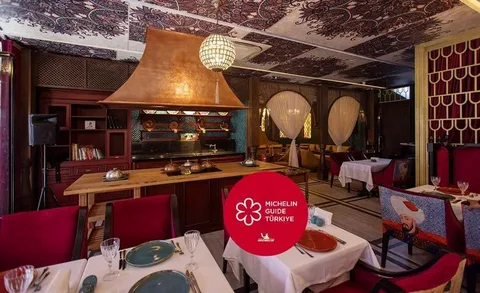

A Michelin Green Star restaurant isn’t what most people think. It’s not a vegetarian category. It’s not a separate list for farm-to-table spots. And it definitely isn’t a lower tier you settle for when the food can’t earn a real star. The Michelin Guide introduced the Michelin Green Star in 2020 because they kept running into chefs doing serious sustainability work and had no way to acknowledge it. The regular stars judge what’s on the plate. Technique, flavor, consistency. The Green Star looks behind the plate. Sourcing, energy, waste, ethics. A restaurant has to already be in the Guide to even qualify. So the food is already excellent. The Green Star says the restaurant is also thinking about tomorrow. That’s the simplest Michelin Green Star meaning to understand.
How it works in practice
A chef I know once described her sourcing calls as the least glamorous part of her morning. She texts a diver at dawn to ask what the water looks like. She calls a farmer about whether the greens held up after that storm. She checks in with a forager who sometimes brings in wild fennel and sometimes shows up empty-handed. That’s responsible sourcing. Not a policy. A phone call.
The Michelin Guide doesn’t publish a checklist for earning the Green Star. But the patterns are obvious if you look. Kitchens that win it tend to run on renewable energy. They compost obsessively. Water gets treated like something precious. The menu bends to seasonal ingredients instead of demanding the same produce year-round. An heirloom squash in November gets featured because it’s perfect right then. Nobody’s flying in asparagus from Peru. Ethical suppliers become partners, not vendors. Sustainable gastronomy, done this way, stops being a program. It’s just how the kitchen thinks.
The U.S. landscape
The United States has a small number of three-Michelin-star restaurants. “Exceptional cuisine, worth a special journey” is how the Guide phrases it. Only a handful have reached that tier. But the broader picture includes many Two-Star and One-Star spots with their own distinct identities. Harbor House Inn sits on the Mendocino Coast with Michelin Two Stars, a Michelin Green Star, and a Michelin Key for hospitality. Chef Matthew Kammerer built the kitchen around hyper-local cuisine. The Pacific is right there. The forests are right there. A 320-acre ranch supplies produce, herbs, and eggs. The daily tasting menu shifts because the ocean and the garden don’t operate on a fixed schedule. That’s ingredient-driven cuisine without the press release.
Why diners actually notice
A decade back, sustainability was a footnote. Maybe a line on the menu about supporting local farmers. Now guests ask questions. Where did the fish come from? Was the boat small or industrial? Does the kitchen compost? Fine dining sustainability has become part of why people choose a restaurant. Not the only reason. But it factors in.
Eco-friendly restaurants that do this well don’t beat you over the head with it. You eat a peach that was picked ripe that morning, and it tastes so intensely of itself you don’t need a lecture. A piece of kelp harvested by a diver an hour away has a brightness you can’t fake. When sustainability works, the guest feels nourished, not preached at. Sustainable fine dining becomes a quiet advantage. People come back.
Harbor House Inn, specifically
The building went up in 1916. It sits above the Pacific in a way that makes you lower your voice when you walk in. Executive Chef Matthew Kammerer runs a kitchen that is almost literally tied to the landscape. The 320-acre ranch supplies produce, herbs, and eggs. Foraged coastal ingredients appear when they’re in season. Sea lettuce. Wild fennel. Whatever is abundant. The restaurant runs on 100% renewable energy. Water conservation is baked into daily operations. Waste gets composted and feeds the soil that feeds the plants. That’s the loop.
Hyper-local cuisine sounds academic until you see it in motion. The menu changes because the ranch had a banner week for tomatoes or the diver couldn’t find enough sea urchin. Responsible sourcing means flexibility. You can’t demand the same dish in February that you served in August. Guests experience quiet luxury that never feels performative. Personalized hospitality means the team remembers small preferences without being asked. The Michelin dining experience here isn’t about opulence. It’s about presence.
A few things people misunderstand
First, the Green Star is not a replacement for culinary stars. A restaurant has to be in the Michelin Guide already. Bad food doesn’t get a pass because the kitchen composts. Second, the Green Star isn’t just for vegetarian restaurants. Plenty of Green Star kitchens serve meat and seafood. They just source it with care. Third, luxury and sustainability aren’t opposites. A tasting menu with wine pairings can coexist with solar panels and a composting program. Responsible sourcing doesn’t limit creativity. It often forces the kitchen to be more inventive because the available ingredients change constantly.
Where this is heading
The future of sustainable fine dining looks less like a trend and more like a baseline. Guests are getting savvier. They can tell when a sustainable restaurant slaps “sustainable” on the website but can’t name a single farm it works with. Kitchens that actually invest in renewable energy, seasonal sourcing, and local partnerships will have a long-term advantage. The ones faking it will get called out eventually. The Michelin Green Star is part of a larger shift toward responsible luxury. Excellence on the plate and care for the planet are no longer separate conversations. The best fine dining restaurant operations increasingly see the two as inseparable.
What stays with you
A Green Star isn’t a trophy you hang up. It’s a record of daily choices. Where the carrots came from. What happened to the oyster shells. Whether the lights run on solar. Restaurants that wear it well don’t make a big deal about it. They just do the work. Harbor House Inn gets that. The Mendocino Coast shapes the menu, the mood, the whole feeling of the place. Guests leave full, sure, but also with a quiet sense that the meal was part of something larger. That’s sustainable gastronomy. Not perfection. Just a direction worth walking. A Michelin restaurant that earns a Green Star shows that exceptional cooking and environmental responsibility can exist side by side.