
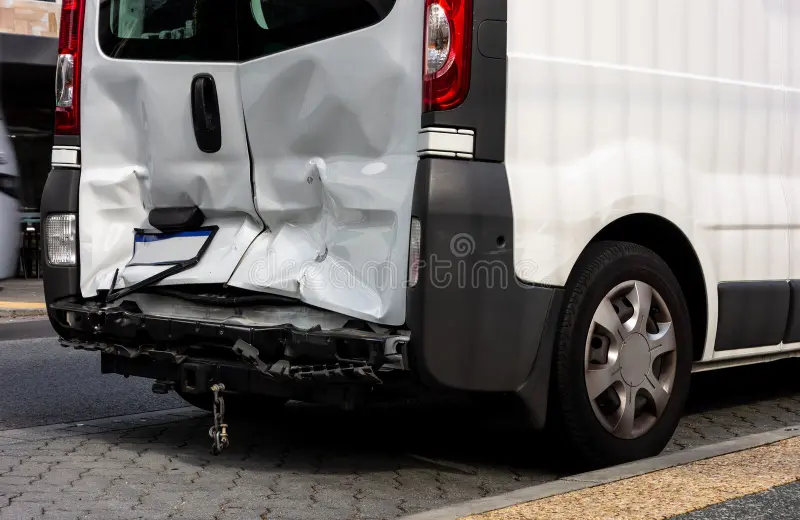

How many days does a rear-ended work van actually sit before it hauls a load again? That is the first question an owner asks a car body shop riverside mo after a rear-end wreck knocks a van off the road. The honest answer has changed. A bumper that used to be a bolt-on part is now a housing for radar, cameras, and parking sensors, and every one of them has to work before the van is safe to drive. So the timeline is less about bodywork and more about electronics.
Modern Bumpers Hide More Sensors Than Bolts
Pop the cover off a 2018-or-newer van bumper and you find real hardware, not just plastic. Forward radar sits behind the fascia, a camera reads the lane lines, and ultrasonic sensors map the space around the vehicle for parking. On a two-van delivery operation running late-model Transits out of Platte County, a tap in traffic is no longer a cosmetic problem. The parts themselves are often cheap, but the recalibration that has to follow is not.
Calibration Is Why Repairs Take Longer Now
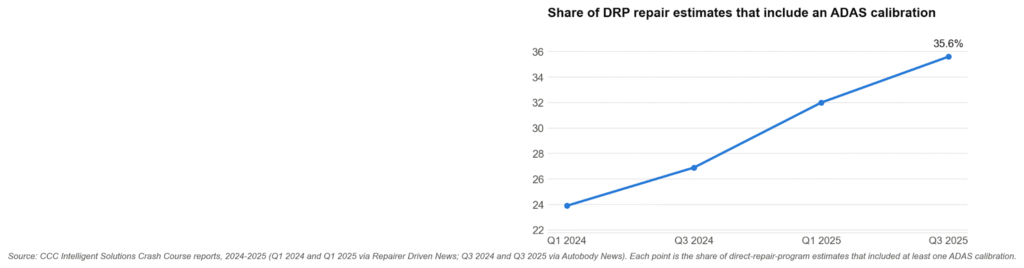
Here is where the days really pile up on the schedule. Calibration is what the shop calls resetting the radar and cameras to factory aim after any bumper work, either a static calibration with printed targets in the bay or a dynamic one on a measured road drive. Miss it and the van might brake for a shadow or stay quiet when it should warn the driver. The equipment, the targets, and the bay time all have to be scheduled, and a busy shop cannot always run that step the same hour the panel goes back on. That one requirement is the biggest reason a job that looks like a two-hour bumper swap stretches into several days.
A Same-Day Estimate Stops The Van Bleeding Money
A two-van contractor loses margin every day one truck is parked, so the estimate cannot wait a week. A car body shop riverside mo operators trust will scan the vehicle the same day, quote the calibration up front, and order parts before the van even leaves the lot. These systems earn their keep, and it is easy to forget why while you stare at an idle van. The University of Michigan Transportation Research Institute reported in May 2026 that automatic emergency braking cut rear-end striking injury crashes by 57%. That figure came from about 12 million model-year 2020 through 2024 GM vehicles and more than 700,000 police-reported crashes across 18 states. Fewer wrecks is the whole point, but the owner watching a parked truck cares about the calendar. A same-day number is what gets the repair clock started.
The First Two Weeks Off The Road
Expect the first two days to be diagnosis and disassembly, when hidden damage behind the bumper cover finally shows itself. By the end of the first week, parts have arrived and the panel work and paint are usually underway. Calibration lands in the second week, once the body is solid enough to hold sensor aim, and the shop verifies each system with a road test before anyone signs off. The case we see most often is a van ready in the body department but waiting an extra day on an open calibration bay. Within about ten to fourteen days a sub-$3,000 rear-end repair on a late-model van is typically back in service. That window only slips when a backordered radar bracket or a supplemental approval stalls the middle of the job.
Coordination Removes The Guesswork
Most fleet owners do not want to referee a claim while a van sits idle. A shop that bills the insurer directly, documents the calibration, and handles supplements keeps the owner out of the paperwork. That documentation matters more than it used to, because insurers now scrutinize whether the safety systems were actually restored. The Insurance Institute for Highway Safety notes that automatic emergency braking cuts police-reported rear-end crashes by 50 percent, and that the same sensors making those crashes rarer also make each repair more involved. When the shop proves the radar and cameras were recalibrated to spec, the claim closes cleaner and the van goes back to work without a callback.
Back Hauling Loads By Month’s End
For a Platte County contractor running two vans out of Riverside, the math is simple. A rear-ended van repaired right and calibrated correctly is back on delivery routes inside two weeks, not idled for a month while a claim drags. The bodywork itself was never really the slow part of it. Sensors, calibration bays, and insurer sign-off set the real pace, and a shop that runs all three in parallel is what gets the van earning again. Book the estimate the day of the wreck, insist the calibration is quoted in writing, and the van is hauling loads by month’s end.