
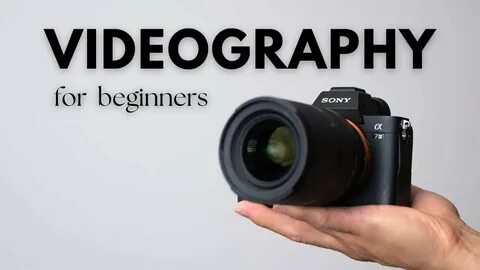

Video content has become one of the most powerful forms of communication in today’s digital world. From social media marketing to YouTube channels, business advertising, and personal storytelling, demand for skilled videographers is rapidly growing across Australia. Whether you are a complete beginner or someone looking to improve your creative skills, enrolling in a structured videography course is one of the fastest ways to build confidence and technical ability.
A well-designed videography course helps you understand not just how to operate a camera, but how to tell compelling visual stories through movement, sound, and editing. This guide explores what you learn, why it matters, and how videography can open up real opportunities in Australia’s growing creative industry.
1. Why a Videography Course Is the Best Way to Start
Many beginners assume videography is simply about recording footage. In reality, professional video creation involves a combination of technical knowledge, storytelling, and post-production skills. A structured videography course removes confusion and replaces trial-and-error learning with a clear, step-by-step system.
A quality videography course typically teaches:
- How to operate a camera in manual video mode
- How frame rates affect motion and storytelling
- How to control exposure in changing light conditions
- How to capture clean audio for professional results
- How to structure a visual narrative
Without guidance, beginners often struggle with inconsistent footage, poor lighting, and unclear audio. A videography course helps eliminate these issues early by building strong foundations.
A structured videography course also ensures you understand how all elements work together, rather than learning isolated techniques that don’t connect in real-world projects.
2. Core Skills You Learn in a Videography Course
A high-quality videography course is designed to take beginners from basic camera use to confident video production. It focuses on both technical and creative development.
Camera Operation and Settings
One of the first things you learn in a videography course is how to control your camera manually. This includes:
- Shutter speed for motion clarity
- Aperture for depth of field control
- ISO for low-light performance
- White balance for colour accuracy
Understanding these settings is essential because video is far less forgiving than photography. Small mistakes in exposure or focus are immediately noticeable.
Framing and Composition
A videography course also teaches how to compose moving images effectively. This includes:
- Rule of thirds in motion
- Shot composition (wide, medium, close-up)
- Camera angles and perspective
- Movement and tracking shots
Unlike still photography, videography requires you to think about how scenes evolve over time. A strong videography course helps you develop this dynamic visual awareness.
Audio Recording and Sound Design
Good video is not just visual—it is also auditory. A videography course introduces:
- External microphone usage
- Background noise control
- Dialogue recording techniques
- Sound layering and enhancement
Poor audio is one of the most common beginner mistakes, and structured learning ensures you avoid it early.
Editing and Post-Production
Editing is where raw footage becomes a finished story. A videography course typically includes:
- Cutting and sequencing clips
- Colour grading and correction
- Transitions and pacing
- Adding music and sound effects
These skills allow you to turn simple recordings into professional-quality videos.
3. Career Opportunities After a Videography Course
Completing a videography course opens the door to a wide range of creative and commercial opportunities in Australia. Video content is now essential across almost every industry, meaning skilled videographers are in high demand.
Common career pathways include:
- Freelance videography
- Social media content creation
- Wedding and event videography
- Real estate video production
- Corporate marketing and branding videos
- YouTube and online content creation
Even small businesses increasingly rely on video content to promote their services, creating consistent demand for trained videographers.
A structured videography course also helps you build a portfolio, which is essential for attracting clients and demonstrating your skills.
The Creative Industry in Australia
Australia has a strong and growing creative sector supported by government initiatives. Organisations such as Screen Australia help fund and support screen production and digital media careers, highlighting the importance of video skills in the national economy.
You can explore more about Australia’s screen and creative industry here:
https://www.screenaustralia.gov.au/
This shows that a videography course is not just a hobby pathway—it can lead to real professional opportunities in a recognised industry.
4. How to Choose the Right Videography Course
Not all courses offer the same level of quality or depth. Choosing the right videography course is essential for long-term success.
Structured Learning Path
A good videography course should follow a logical progression, starting from basics and gradually introducing advanced techniques.
Practical Experience
Learning video production requires hands-on practice. The best videography course includes assignments, filming exercises, and real-world projects.
Flexibility
Many beginners balance study, work, or family responsibilities. A self-paced videography course allows learners to progress at their own speed without pressure.
Expert Guidance
Feedback from experienced videographers is extremely valuable. It helps you correct mistakes early and improve faster.
Real-World Application
A strong videography course focuses on practical skills that can be used immediately in real projects, not just theory.
Choosing the right videography course ensures you develop both technical ability and creative confidence.
Bonus: Beginner Learning Resource
To support your learning journey, it helps to watch practical demonstrations alongside structured study. This video provides a helpful introduction to video creation fundamentals:
Even though it covers general camera basics, it is highly relevant for beginners starting a videography course because it reinforces key principles like framing, exposure, and composition.
Conclusion
A videography course is one of the most effective ways to develop modern creative skills in Australia. Instead of relying on scattered tutorials or trial-and-error learning, a structured approach gives you clear direction and practical experience.
From camera operation and composition to audio recording and editing, a videography course builds the full skill set needed to create professional-quality video content. Whether your goal is creative expression, freelance work, or a long-term career in digital media, videography offers strong opportunities in today’s content-driven world.
By investing in a structured videography course, beginners can quickly progress from uncertainty to confidence and start producing engaging, high-quality videos with purpose and creativity.