
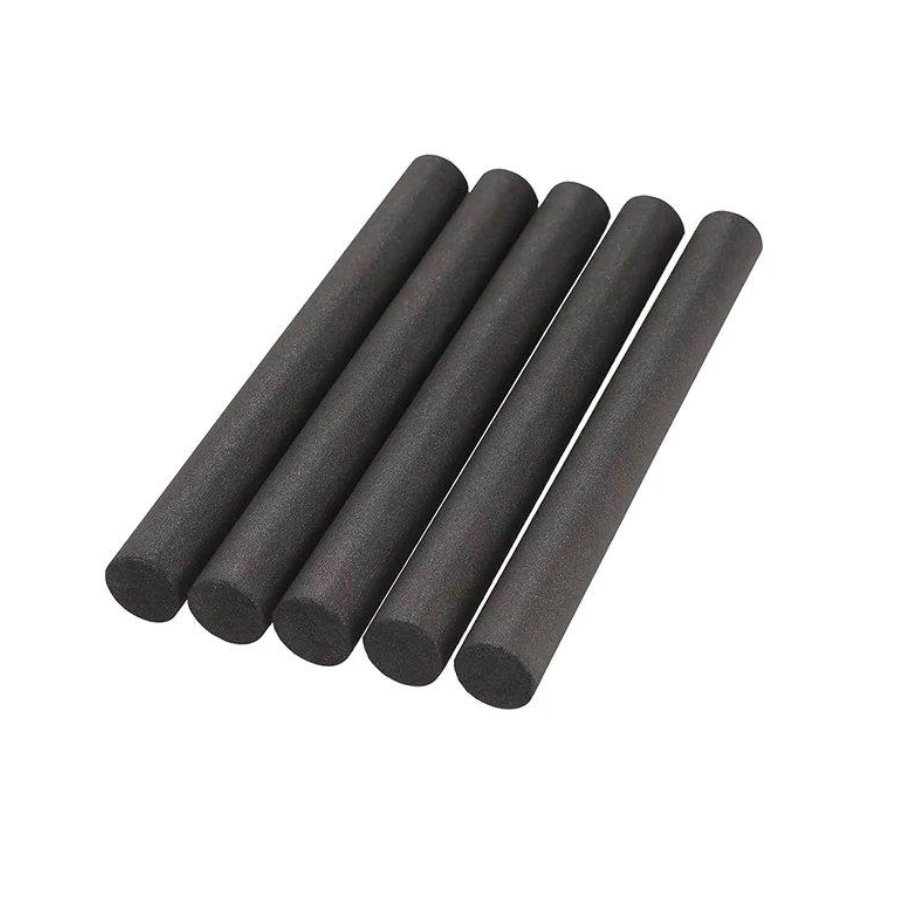

A graphite stirring rod is a simple tool with a serious job: stirring molten metal, glass, or chemicals without melting, bending, or adding anything unwanted to the mix. It is a solid rod made from graphite, the same carbon material used in furnace parts and electrodes, shaped into a length that can be held or clamped and dipped into very hot material. Nothing about it looks complicated, and that is the point. It does one job, and it does it in conditions where most materials would fail.
Graphite is chosen because it handles heat that would destroy steel or ceramic tools, and because it does not react easily with the materials it touches. A rod made from it can be used again and again in a foundry or a lab, as long as it is looked after. This article explains what the rod is, why graphite is the right material for it, and how it is used in practice.
What the rod is made of, and why it matters
Graphite is a form of carbon, and its structure is what gives the rod its useful properties. It stays solid at temperatures far above the melting point of most metals, it conducts heat well, and it is light for its strength. It also has a slippery surface, which helps when the rod is moved through thick, sticky material. A graphite stirring rod takes advantage of all of this in a single plain shape.
The rods are made by shaping graphite into bars and then finishing them to size. They come in different diameters and lengths, because a small crucible and a large furnace need very different tools. Some are plain round bars, and some are made to order for a particular job. The key qualities buyers look for are purity, density, and a smooth, even surface with no cracks or weak spots.
How it behaves in heat
The main reason graphite is used here is heat resistance. A stirring rod may sit in molten metal for minutes at a time, and it has to come out in the same shape it went in. Steel would soften and shed material into the melt, and ceramic can crack from the sudden change in temperature. Graphite expands very little when heated, which is why it survives the shock of going from room temperature into a furnace.
That does not mean the rod is indestructible. Graphite reacts with oxygen at high temperatures, so a rod left sitting in hot air will slowly burn away at the surface. In practice this is managed by keeping the rod in the melt, where there is little oxygen, and by storing it somewhere dry and clean between uses. A rod that is looked after will last far longer than one that is left lying around the workshop.
- Heat it gradually when you can, rather than plunging it in cold
- Keep the rod in the melt, not resting in hot air
- Store it dry, clean, and away from knocks
Where stirring rods are used
The most common use is in foundries and metal casting, where a graphite stirring rod stirs molten metal to mix in alloys and keep the temperature even. A good stir makes the difference between a casting that comes out sound and one full of weak spots, so the tool matters more than it looks. The rod is also used in glassmaking, where it stirs molten glass, and in some chemical work where the material being mixed is hot or corrosive.
In laboratories, smaller rods are used for stirring samples in crucibles and for handling hot material that would damage a metal tool. The size changes, but the job is the same: move the material around without adding contamination. That is why purity matters. A rod with the wrong impurities in it can spoil a whole batch, so buyers check the grade of graphite before they buy.
Choosing the right rod for the job
Size is the first thing to get right. The rod needs to reach the bottom of the crucible or furnace with enough length left over to hold safely, and it needs to be thick enough not to bend under the weight of the material. Too thin, and it will flex and snap; too thick, and it is clumsy and wastes material. Measure the depth you need to reach, then add the length you need for a safe grip.
After size, look at the grade and the finish. A dense, fine-grained rod with a smooth surface will last longer and stir more cleanly than a rough, porous one. Ask the supplier what the rod is made for, and whether it suits the temperature and the material you are working with. A rod made for one job may not suit another, and the supplier should be able to tell you which grade fits yours.
A graphite stirring rod is not a complicated piece of equipment, but it is a good example of picking the right material for a hard job. Graphite takes the heat, stays stable, and leaves the material it stirs clean, which is exactly what a foundry or a lab needs from a tool that spends its life in a furnace.
If you need one, start with the size and the job, then check the grade and the supplier. Get those right, and a simple rod will do reliable work for a long time, in conditions where almost nothing else would last the day.