
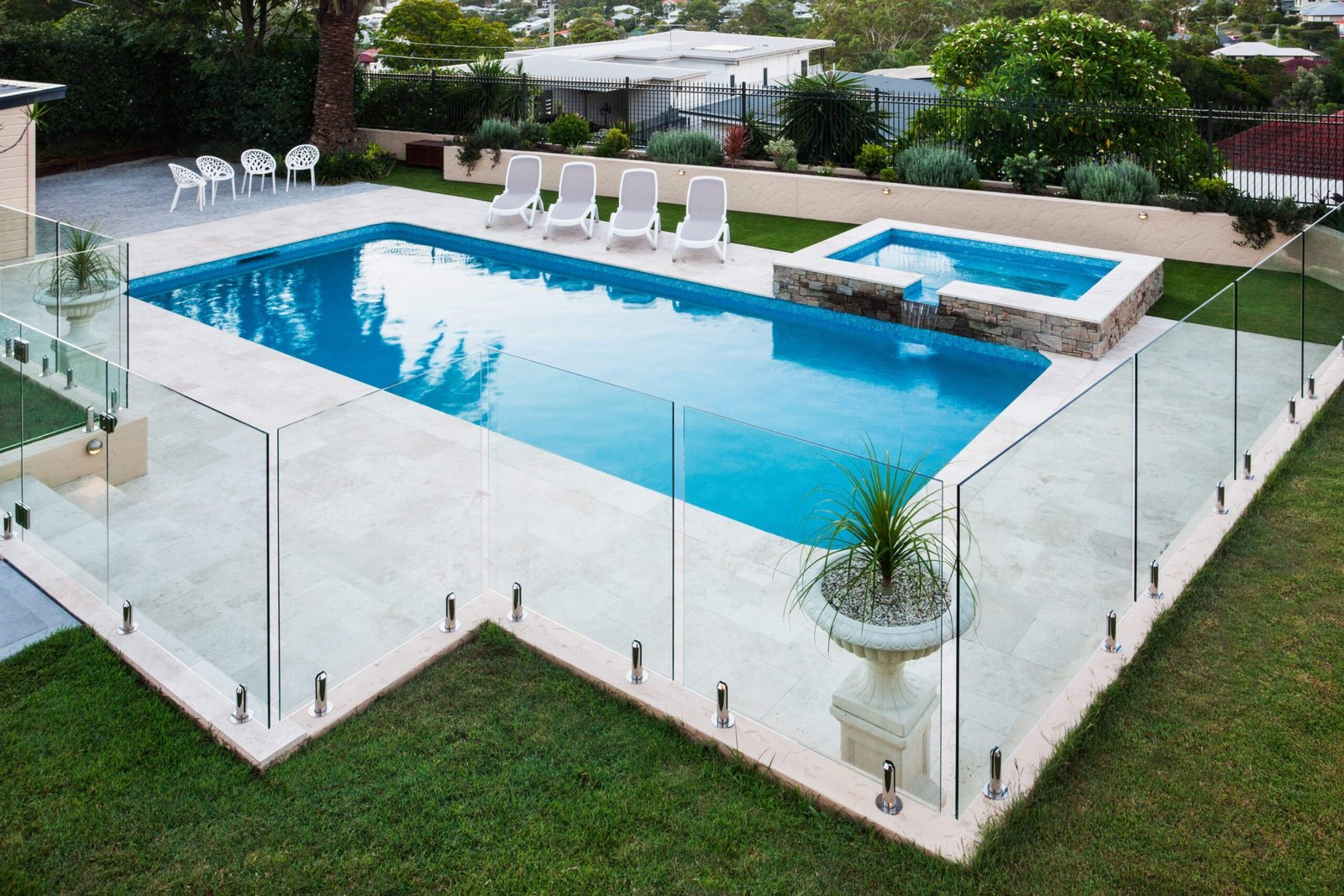

Adequate residential pool fencing could prevent an estimated 51 child drowning deaths a year in the United States, a figure the journal Injury Prevention put forward in a May 2026 analysis that also found roughly 19% of under-five pool drownings were preventable by a proper barrier. If you just poured a new in-ground pool on a Chambers County lot, that statistic is the whole reason the barrier around it is not a decoration. The fence is a safety system first and a yard upgrade second. Most buyers get that order backward. So before you sign anything, it helps to know what actually separates a compliant enclosure from a pretty one, which is where homeowners comparing fencing anahuac tx options should start. This guide walks the questions worth asking first.
Pool Barrier Code Sets the Fence Rules
Code is where every pool fence conversation should begin, because the rules are specific and an inspector checks them with a tape measure. Texas ties residential pool barriers to the building code your county enforces, and the numbers there are not suggestions. A barrier has to stand tall enough that a small child cannot climb it, the gate has to swing outward and latch itself, and the gaps between pickets have to be tight. The case we see most often is a homeowner who bought a fence for the look, then learns at final inspection that the gate latch sits too low or the pickets are spaced too wide. That is an expensive redo. Fixing spacing on a finished fence usually means pulling pickets, not nudging them over.
The dimensions carry real weight because they work. Stony Brook Medicine notes that a compliant barrier should stand at least four feet high, keep its self-latching mechanism at least 54 inches off the ground, and space vertical slats no more than four inches apart, and it credits proper pool fencing with preventing more than half of young-child pool drownings. Those three measurements are the difference between a real barrier and a fence that only looks like one. Miss any of them and you have neither the safety nor the passing inspection.
Aluminum Outlasts Wood And Iron Poolside
A decade ago the default poolside fence around here was cedar or wrought iron, and both fought a losing battle with the water. Chlorine and the salt air blowing in off Galveston Bay break down wood and rust raw iron faster than most people expect. A wood fence at the pool’s edge is living on borrowed time. Today most people searching fencing anahuac tx for a new pool land on powder-coated aluminum for one reason: it holds up against all of it. The powder coat seals the metal, so it will not warp, crack, rot, or rust the way the older materials did.
That corrosion problem is not unique to fences. The same salt air works on patio furniture and truck bumpers just as steadily, which is a different headache for another day. Back at the pool, the payoff of aluminum is that the same coating that keeps sightlines clean also keeps upkeep close to nothing. You get an open view of the water from the patio, thin pickets instead of a solid wall, and a barrier that still holds the four-inch spacing rule. Aluminum gives you that whole combination without the annual staining and sealing a wood fence keeps demanding.
Questions That Separate Real Fence Pros
Anyone can quote you a price per linear foot. What tells you whether a contractor actually builds to pool code is the specifics they volunteer before you ask. A good pro talks about latch height and gate swing without prompting, pulls the permit, and puts the warranty in writing. Ask these before you sign.
- Which county code will you build this pool barrier to, and what are the exact height and latch numbers? A good answer names four feet and a 54-inch self-latching gate without checking notes.
- Do you pull the permit and meet the inspector, or is that on me? A good answer is that they handle both and have passed a pool inspection in Chambers County before.
- Is the aluminum powder-coated, and what exactly does the warranty cover? A good answer separates the finish warranty from the workmanship warranty and hands you both on paper.
- How do you set the posts so the fence stays plumb in sandy Gulf Coast soil? A good answer mentions concrete footings and proper depth, not just tamped dirt.
If a bid comes back vague on any of those, that is your answer. The finished fence is only as good as the crew that set the posts and hung the gate. A cut corner you cannot see today shows up the first time the latch is tested.
A Barrier Worth Getting Right Once
Money-wise, a pool fence is a small line on a big property. In the National Association of Home Builders’ 2024 construction-cost breakdown, exterior finishes like siding and roofing accounted for 13.4% of a new home’s cost, roughly $57,510 against an average build of $428,215. A code-compliant pool barrier is a small fraction of that total. It is also the one exterior element an inspector can red-tag and a court can later ask about, so it is a strange place to try to save fifty dollars.
Buy the barrier that meets code the first time, in a material that does not corrode poolside, and you buy yourself years of not thinking about it. Aluminum around a new backyard pool does exactly that. Ask the questions up front, confirm the numbers with a tape measure, and let the fence do the job it is there for.