
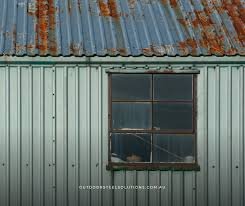

A galvanized kit shed behind one small Scranton-area campus maintenance shop lasted eleven winters. Then rust worked through the base panel and let snowmelt pool around the mowers. The grounds crew noticed it the way most people do, when a bag of fertilizer came out damp. A trimmer refused to start on the first warm morning of spring. By then the fix was not a patch. The facilities coordinator ran the numbers, then called a storage shed builder Scranton PA property teams actually trust. That single quote reframed the whole problem. A cheap kit is not really a purchase, it is a countdown. A proper structure with a real floor and reinforced framing costs less across its full working life than buying, hauling, and then replacing a rusted galvanized box every single decade the campus keeps operating.
Why The Old Kit Shed Failed
The failure was not bad luck, it was chemistry keeping to a schedule. A galvanized shed is steel dipped in zinc for protection. That zinc is what corrosion engineers call a sacrificial coating, meaning it gives itself up first so the steel underneath stays sound. The catch is that the coating is finite. Research on steel left out in an ordinary urban atmosphere measured its slow decline over time. A peer-reviewed corrosion study put galvanized losses near 2 microns a year at six months. Those losses eased to about 0.6 to 0.7 microns a year once the zinc patina settled after twelve months. Slow, yes, but never truly zero. Salt from the walkways gets tracked in on tires and boots and sits against that lower panel all winter. A base panel in road salt and trapped snowmelt runs well ahead of that gentle curve. The case we see most often is a shed that still looks sound at the eaves. Down at the floor line it is already gone, because the bottom eight inches soak up the water nobody wipes away.
Rust rarely announces itself in advance. By the time it shows at the floor line, the base panel is already spent.
What Proper Construction Actually Costs
Sticker shock is real here, and it is worth naming out loud. A seasoned storage shed builder Scranton PA facilities teams call will quote more than a big-box kit. The two are simply not the same species of thing. Pressure-treated skids, framed floor joists, LP SmartSide siding, and trusses engineered for a northeastern snow load all add cost before labor. Reinforced framing just means the floor and walls carry weight without flexing, so a loaded salt bin does not rack the structure over time. What you pay for is a shed that arrives level and ready to load. It is not a flat stack of panels and a sack of bolts with an afternoon of assembly ahead.
Here is the arithmetic on that sub-$8,000 budget the campus set for itself. Say the structure itself runs $6,200 for a 10 by 16 footprint sized to the mowers. Add $450 for the reinforced floor, $600 for delivery and leveling, and $300 to widen the door for the ride-on. It comes to $7,550 all in. That sits a hair under the cap they were watching, and it leaves a small cushion for gravel and a day of the crew’s own labor.
One line in that quote deserves a second look before you sign. Budget the site prep at $400 and move on, most people do. Honestly, call it closer to $600 once you level a sloped campus corner and truck in fresh gravel. It is far better to know that going in than to meet it on the final invoice.
Questions That Separate Builders From Assemblers
Not every outfit selling a shed actually builds one. Some just assemble the same kit you could order yourself, then hand over a thin warranty. That paperwork quietly covers ninety days of almost nothing. A shed is a ten-year decision, and ten minutes of pointed questions is cheap against the wrong one. The way to tell them apart is to ask questions a real builder answers without flinching.
- Do you frame the floor on treated skids, or does the structure just sit on a sheet laid over the dirt? A good answer names joist spacing and skid size, not a shrug.
- What snow load are the roof trusses rated for? A straight builder gives a number in pounds per square foot for our region, not a vague reassurance.
- What exactly does the warranty cover, and what voids it? Look for coverage measured in years on the structure itself, with the exclusions read out plainly.
- Do you deliver it level and ready to use, or does final assembly land back on our grounds crew?
A builder who answers in load ratings and joist spacing is estimating from jobs already in the ground. The ones who deflect to brochure language, in practice, go quiet when a floor sags two winters later. Ask anyway, and listen for whether the numbers come back specific or soft.
Buying Once Beats Buying Twice
The math that settled it was not about the shed, it was about the alternative. When storage overflows, plenty of crews rent a unit and call the problem solved. That is a recurring bill, not a fix. Investing in durable storage sheds can provide a more practical long-term solution for businesses and maintenance teams that need reliable space for equipment and supplies. National self-storage asking rates averaged $133 per month in May 2026, down just 2.2% year over year in a monthly industry rent report. Rented month after month with no end in sight, one unit quietly passes the price of a whole built shed in roughly five years, and then it simply keeps billing forever. A structure put up once ends that countdown, because the floor will not rot and the framing is rated for regional snow. That old kit, by the crew’s own account, had been living on borrowed time from the day it shipped. Its replacement should outlast the people who ordered it. Spread across a decade, the built shed is the cheaper line item, not the splurge it looks like on day one. Buy the cheap box and you buy it again. Buy the built one and you are finally done thinking about it.