
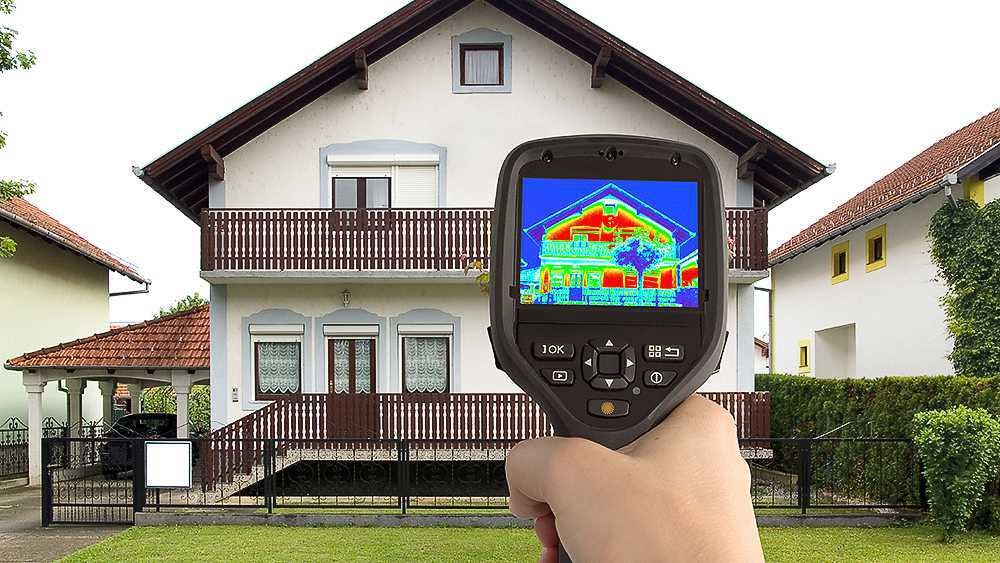

Why does the coldest spot in a 1970s Draper split-level always seem to be the room with the biggest window? Homeowners across Salt Lake County ask this every December, usually while the furnace runs nonstop and the gas bill keeps climbing. The answer is rarely the furnace. It is the thin aluminum-framed single panes those houses were built with, leaking warm air through the glass and the frame every hour of a cold Utah night. That gap is exactly what a modern window replacement draper ut is meant to close, sealing the shell of the home so the heat you already paid for stays inside. Swapping those tired panes for energy-efficient units is the one change that stops the loss and pulls a winter heating bill back down.
Drafty Single Panes Quietly Raise Heating Bills
Single-pane glass has almost no insulating value on its own. A cold night pulls heat straight through it, and the old aluminum frame conducts even more, so the wall around the window becomes a slow leak. The case we see most often is a home where the furnace works fine and the windows are the entire problem. You feel it as a draft near the sill, a cold pane under your hand, and a thermostat that never quite catches up. On an older split-level the worst rooms are usually the lower level and the bedrooms over the garage, where the glass faces the wind. A single pane sits around an R-1 for insulation, while a solid replacement lands closer to R-3 or R-4, and you feel every point of that gap at two in the morning.
The Old Frames Were Never the Real Fix
For years the standard answer was heavier curtains, shrink film, and a bead of caulk before the first freeze. Those tricks slow the loss a little, but they never touch the reason the glass gives up heat in the first place. Window technology has moved a long way since those aluminum frames went in, and the numbers now back it up. A 2025 study in Scientific Reports found that triple glazing cut solar heat gain by 20 to 30 percent over double glazing while dropping the glass U-value from 1.2 to 0.8. A lower U-value means less heat crosses the glass, which is what matters on a January night. Aluminum is the culprit as much as the pane, since metal frames pull heat out of the room and sweat with condensation on the coldest mornings. A homeowner can chase those symptoms for years with weatherstripping and still lose the same heat.
New Energy-Efficient Windows Reset the Envelope
New windows do more than replace glass; they reset the whole envelope of the house. Modern double and triple-pane units use low-E coatings and insulated frames that hold indoor heat where it belongs. A well-planned window replacement draper ut project treats the openings as a system, matching the frame, the seal, and the glass to the local climate. R & JL crews handle the roof and siding too, and the same standards mindset applies up top, where ASTM D7158 rates Class D, G, and H shingles to resist basic wind speeds of 115, 150, and 190 mph. A tight window and a rated roof do the same job, keeping the Utah cold outside the wall. The frame material matters as much as the pane count, and vinyl or fiberglass frames will not conduct cold the way the old aluminum did.
What Week One Through Month Three Feels Like
The change is not subtle, and it shows up on a schedule. In the first week, the drafts near the sills disappear and the furnace stops short-cycling every time the wind picks up. By the second month, rooms that used to sit five degrees colder hold an even temperature, and you stop closing them off. Within 90 days you have a full billing cycle or two to compare, and the drop is on paper, not just a feeling. Homeowners often tell us the quiet is the first thing they notice, since a sealed frame blocks street noise along with the cold. That predictability is part of why the upgrade feels worth it, because you are not left guessing whether it actually worked.
The Payoff Shows Up on the Utility Bill
Heating is where the savings land, and the timing matters this winter. By December 2025, the U.S. Energy Information Administration was reporting Henry Hub natural gas above $4.00 per MMBtu, up from near $3.00 earlier that fall. When the price of gas rises, every therm your old windows waste costs more, so a leaky house gets expensive fast. December is also the season of full houses and long dinners, and nobody enjoys guests keeping their coats on at the table. For a 1970s split-level heated with gas, that swing between three and four dollars can add up to a real difference on a December statement. Back to the bill, though, and the bill does not lie, because a sealed envelope lets you run the furnace less and still stay warm.
Warmer Rooms Are Worth the Switch
The math is simple once the drafts are gone. You stop paying to heat air that escapes through 50-year-old glass, and the rooms you avoided in winter become usable again. For an older Draper split-level, energy-efficient windows are the upgrade that pays you back every cold month, not just the year you install them. Most of our Draper customers say the same thing afterward, that they wish they had stopped patching the old windows a few winters sooner. Warm rooms, a quieter house, and a smaller gas bill are a fair trade for a weekend of installation.