What a car oil company Actually Does, From Engine Oil to Electric Vehicle Fluids

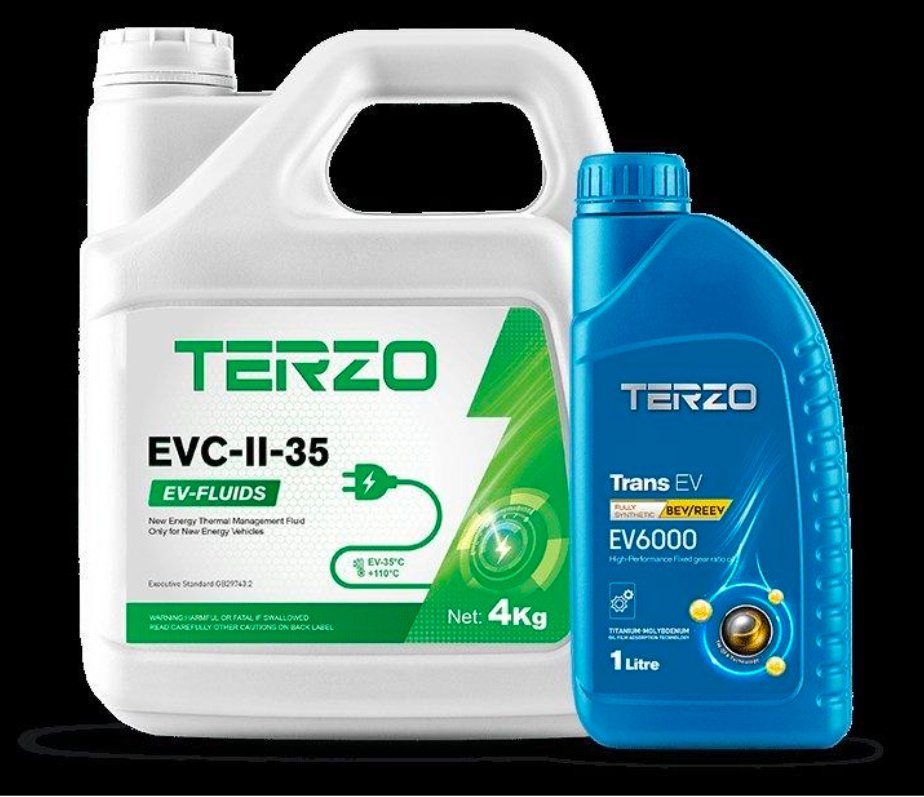
A car oil company does far more than sell bottles of oil. It researches, blends, tests and ships the fluids that keep engines, gearboxes and electric drivetrains running, and it works with workshops, distributors and vehicle brands to make sure the right fluid reaches the right vehicle. The work sits somewhere between chemistry, manufacturing and … Read more

Synthetic Minority Over-sampling: Creating Synthetic Examples of Minority Classes to Balance Data

Imbalanced datasets are the rule rather than the exception in real world analytics. Fraud detection, disease screening, churn prediction and defect detection are all areas where you’re going to have by far the majority of negative cases. A model trained on such data can look like it’s performing quite well, when in reality it’s just … Read more

Retrieval-Augmented Generation (RAG): Connecting AI Models to Private Enterprise Knowledge Bases Using Vector Databases

LLMs are very good at summarising, drafting and reasoning on what they’ve learned during their training. The vast majority of enterprise questions though are about internal docs (policies, SOPs, product notes, contracts, tickets, runbooks, project wikis etc). If the model can’t “see” those then it’s likely to give an answer with the wrong or incomplete … Read more

Policy Iteration Method: Alternating Between Evaluating and Improving a Decision-Making Policy

Machines do not learn to make good decisions overnight. Behind every intelligent system that plays chess, navigates traffic, or recommends content lies a well-structured learning process. One of the most fundamental techniques driving this capability is the Policy Iteration Method — a systematic approach in reinforcement learning that alternates between evaluating how good a policy … Read more

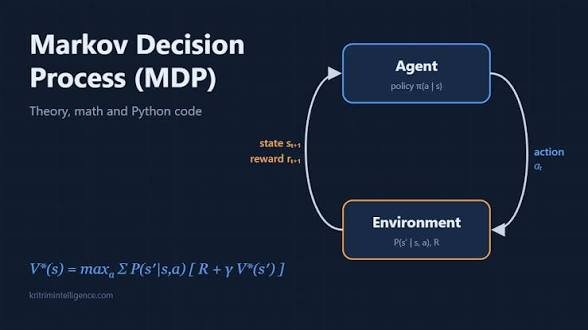
Markov Decision Processes: Mathematical Framework for Modelling Decision Making in Random Environments

Many real-world decisions are not one-off choices. They unfold over time, with each action changing what happens next. A delivery robot chooses a route, reaches a junction, sees new obstacles, and chooses again. A pricing system updates a discount, sees how customers respond, and adjusts further. These situations share two traits: uncertainty (you cannot predict … Read more

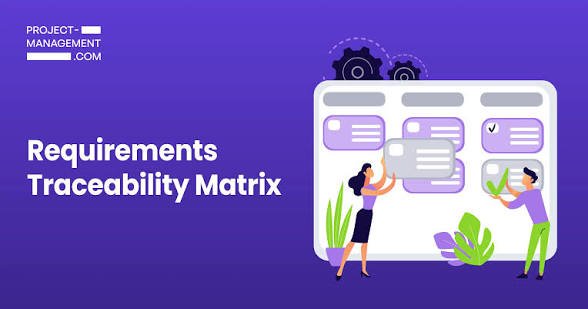
The Requirement Traceability Matrix 2.0: Managing Evolution in Agile Ecosystems

In traditional software development, a Requirement Traceability Matrix (RTM) served as a static document linking business requirements to test cases and deliverables. It worked well when projects followed a fixed, linear path. However, the rise of Agile methodologies has fundamentally changed how teams build software. Requirements evolve, sprints move fast, and priorities shift. The conventional … Read more