
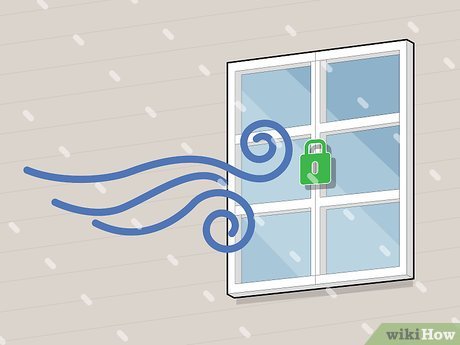

A brand new window is not automatically a storm shield, whatever the showroom banner happens to suggest. That gap matters most on Treasure Island, where 1970s concrete-block beach cottages still carry their original single-pane aluminum sliders. Swap those for the wrong product and you have paid real money for glass that still blows in during a Category Three. The right window replacement contractor treasure island fl homeowners can call will tell you the sticker on the box is only half the story.
Replacement Windows Are Not Automatically Storm Rated
Here is the plain version, minus the sales gloss. Only an impact-rated window with a real design pressure rating reliably survives a major coastal storm. An energy sticker by itself never proves that. The case we see most often is a homeowner who assumed any double-pane upgrade counted as hurricane protection. Most stock replacement windows off a big-box shelf are built for the middle of the country, not a barrier island facing the open Gulf. They seal out drafts and lower a cooling bill. Then they do nothing at all when a shutter-less opening takes a direct hit from the wind. That mismatch is the whole reason a coastal window spec exists in the first place.
Design Pressure Ratings Decide What Actually Holds
Design pressure is the number that separates a real coastal window from a pretender. It is what the trade calls a DP rating, the pounds of force per square foot a window can take before it gives. A unit rated DP50 is holding about fifty pounds of pressure on every square foot of its surface. On the Gulf side of Pinellas, building officials want high DP numbers paired with an impact rating. Wind-borne debris is the real killer here, not the wind by itself. A branch or a loose roof tile at storm speed cracks ordinary glass instantly. Once the envelope is open, the pressure inside the house spikes and can peel the roof off the walls. Impact glass is laminated, so it can crack and still hold in the opening instead of becoming a hole. Ask for the DP rating and the impact rating in writing, since a salesperson who only mentions energy savings is avoiding the real question.
Energy Labels Alone Miss Coastal Realities
Energy labels measure the wrong risk for this coast. The familiar NFRC sticker rates U-factor and solar heat gain. Those tell you about comfort and cooling cost, not whether the glass holds under 130 mile-per-hour gusts. Both matter, but only one keeps the storm outside. The Gulf itself has been busy lately. In February 2026, Bay News 9 reported that Pinellas County wrapped a $125 million beach-nourishment project, funded by tourist-tax revenue and a $13 million state grant. The money rebuilt dunes battered in 2024 along the Gulf beaches. Rebuilt dunes protect the shoreline, but they do nothing for the openings in your walls. A window can earn a top energy score and still fail the moment the wind loads it. That is exactly where an energy-only window leaves you exposed.
The Right Window Lowers And Bills
The right window pays you back twice over. Florida insurers give wind-mitigation credits for impact-rated openings. The premium usually drops once the paperwork is filed, and on an older beach cottage that credit is worth real money every year. The energy sticker was doing a lot of heavy lifting on the sales floor. It does help, since laminated impact glass cuts solar heat gain and trims those brutal July cooling bills. Windows are still only part of the coastal envelope. The openings matter because FEMA guidance does not recommend dry floodproofing wherever base-flood water runs deeper than 3 feet, moves faster than 5 feet per second, or carries waves of 1.5 to 3 feet. A serious replacement plan looks at the whole opening, not one product in isolation. Glass, frame, anchoring, and shutters or barriers all get counted together. Keep the wind-mitigation report from the install, because the insurer will ask for it again at renewal.
Are Impact Windows Worth It on an Older Cottage?
Usually yes, and not only for the storm season. On a 1970s block cottage with single-pane sliders, the wind-mitigation credit plus the cooling savings often offset a real chunk of the cost within a few years. You also stop patching leaks and rattles every season, which is its own quiet expense that rarely shows up on the estimate.
Can I Just Add Shutters Instead of New Windows?
Shutters help, and for some budgets they are a smart first step. They protect the glass during a named storm, but they do nothing on an ordinary day for drafts, leaks, or high cooling bills. Impact windows protect the house every day, storm or no storm, which is why plenty of owners on the island eventually do both.
Choose Impact Windows Before The Next Season
Hurricane season does not wait for a convenient quarter. The window to plan and install is the calm stretch before June, when lead times are short and crews are not slammed. A reputable window replacement contractor treasure island fl residents rely on will start with the DP and impact ratings and put them in writing. From there, the glass gets matched to the real exposure of your particular street. Have the quote reviewed against your flood zone and your roof age too, not just the glass package. Do that, and the next Category Three becomes a night of watching the wind instead of taping glass and hoping. The label sells comfort, the rating buys survival. Only one of those matters when the water is coming over the seawall.