

Introduction
During transportation and storage, the edges and corners of manufactured products are often among the most vulnerable areas. Furniture panels, metal profiles, glass components, framed products and industrial materials can become scratched, chipped or dented when they come into contact with other objects. Even relatively minor damage can affect product quality, create additional handling work and lead to unnecessary replacement costs.
Although cardboard boxes and general-purpose wrapping provide a useful level of protection, some products require additional support around specific areas. Specialist polyethylene foam profiles offer a practical solution by cushioning exposed edges and corners without adding excessive weight.
For manufacturers and distributors handling products with vulnerable surfaces, Nomafoam packing provides a flexible approach to improving protection throughout the supply chain.
What Is Nomafoam?
Nomafoam is a resilient polyethylene cushioning foam available in different densities, shapes and profiles. It is manufactured using an extrusion process, which produces foam directly in the required profile rather than relying entirely on cutting larger blocks into shape.
This manufacturing method can reduce material waste and make standard profiles a cost-efficient option for protective packaging.
Nomafoam and Nomapack are associated with a range of standard polyethylene foam profiles manufactured by NMC, a Belgian company. These products are designed for applications where edges, corners and surfaces need additional cushioning.
The material’s resilience makes it suitable for protecting products during handling, storage and transportation. Its different profile shapes also allow businesses to select protection that matches the dimensions of their products.
Why Edges and Corners Need Additional Protection
Many manufactured products have areas that are more exposed to damage than others.
For example, the corners of furniture panels can be vulnerable when packages are stacked or moved around warehouses. Metal sections may develop surface marks if they rub against neighbouring products, while glass components require careful handling to minimise the risk of impact damage.
Using additional foam protection around these areas helps create a cushioning layer between the product and potential sources of impact.
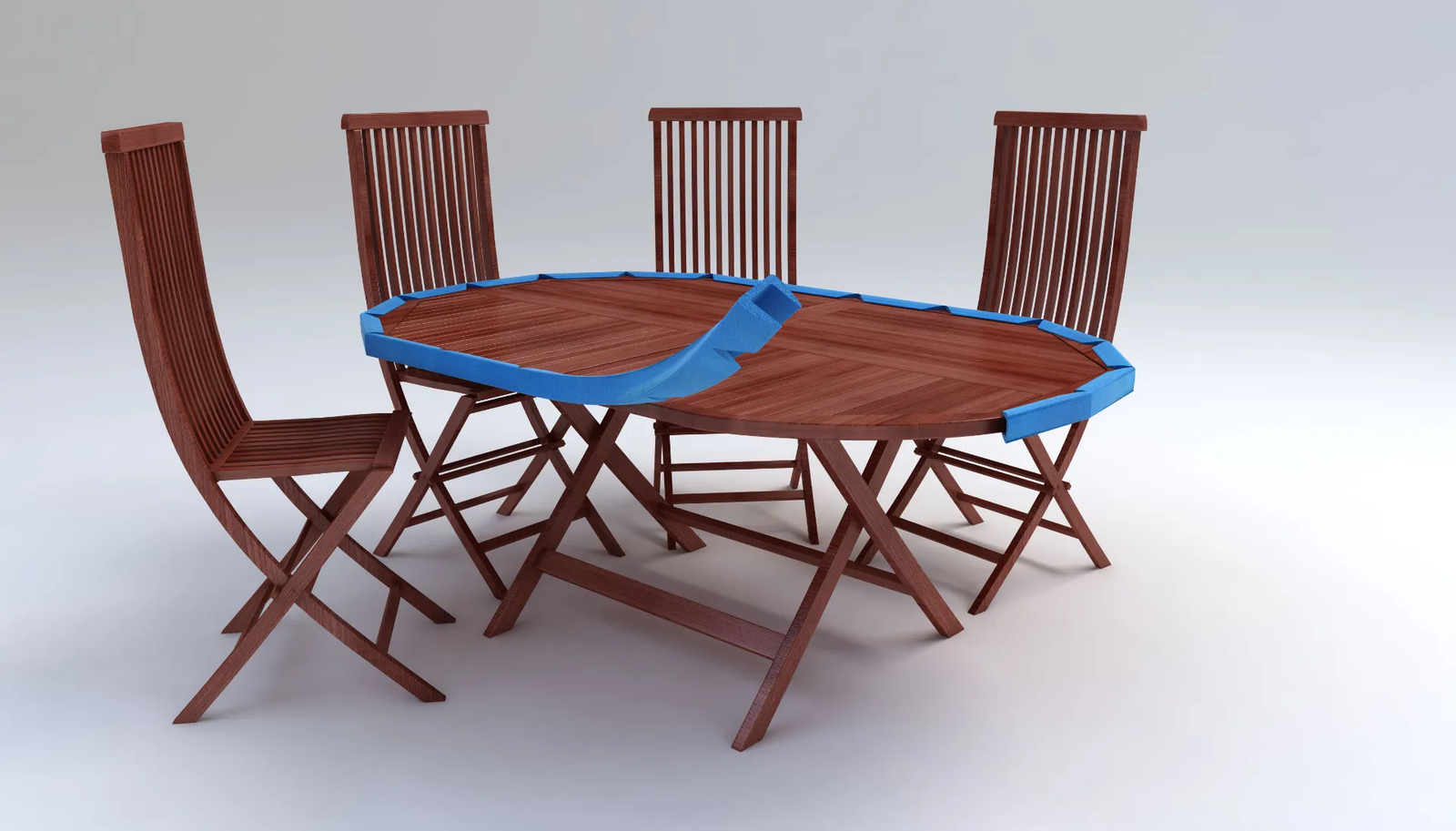
Different profile designs can accommodate different product shapes. Some are suitable for straight edges, while others can be adapted to protect corners or provide support around particular sections.
This makes foam profiles particularly useful for businesses handling products that do not fit neatly into conventional packaging.
Understanding the Nomapack System
The Nomapack System provides a range of extruded polyethylene foam profiles developed for protective packaging applications.
Rather than treating every product as a completely new packaging project, businesses can select from existing profile designs and adapt them where necessary.
Standard profiles can be used directly or converted into more specialised components. Depending on the application, this may involve cutting sections to length, creating corner pieces or fabricating custom shapes.
For manufacturers shipping similar products regularly, this flexibility can help establish a repeatable packaging process.
Employees can use consistent protective components for each shipment rather than preparing improvised solutions every time a product needs to be dispatched.
Applications Across Manufacturing and Distribution
Nomafoam profiles can be used in several industries where products have vulnerable edges, corners or surfaces.
Furniture and Kitchen Manufacturing
Furniture panels, worktops, cabinet components and decorative surfaces can be damaged during movement between manufacturing facilities and installation locations.
Foam profiles can help protect exposed edges while products are stacked, transported or stored.
For example, a manufacturer supplying finished cabinet panels may use protective foam sections along the edges to reduce the risk of scratches and accidental knocks.
Glass and Window Products
Glass panels and window components require careful packaging because exposed edges can be vulnerable during handling.
Suitable foam profiles can provide cushioning around selected areas and help separate individual products.
The packaging design should account for the dimensions, weight and fragility of the glass, with additional support where required.
Metal Profiles and Engineering Components
Manufactured metal sections often have long edges and exposed surfaces that can become marked through contact with other materials.
Nomafoam profiles can provide a protective layer around these areas, helping reduce direct contact during transportation and storage.
This is particularly useful for businesses distributing finished profiles that need to arrive in good condition.
Doors, Frames and Building Components
Doors, frames and architectural components can have exposed corners that are susceptible to damage during loading and unloading.
Foam protection can help cushion these areas while allowing products to be packed and moved more consistently.
Retail Displays and Manufactured Products
Display products and specialist manufactured items may require additional protection around their outer surfaces.
Custom foam sections can be incorporated into cartons or used alongside other packaging materials to create a more complete protective arrangement.
Customising Standard Foam Profiles
Not every packaging requirement can be addressed using an off-the-shelf profile. Some products have unusual dimensions, complex corners or specific protection requirements.
Advanced Protective Packaging operates specialist equipment that allows standard Nomafoam products to be converted to customers’ particular needs.
The company can cut, fabricate and shape profiles into customised components. This means a standard product can become part of a more specialised packaging design.
Where an application requires something outside the existing range, Advanced can also work with NMC to design and specify bespoke extrusions.
For larger usage volumes, customers may be able to specify their own colour rather than using the standard blue finish.
This combination of standard profiles and custom conversion provides flexibility for businesses with both straightforward and specialist packaging requirements.
Reducing Waste Through Better Packaging Design
Packaging manufacturers increasingly need to consider material efficiency alongside product protection.
A design that uses unnecessary material can increase purchasing costs and create additional waste. Conversely, insufficient protection can result in damaged goods and expensive replacement deliveries.
Extruded foam profiles offer one practical way to balance these requirements. Because the material is manufactured directly into its profile, there can be relatively little waste compared with producing every component from larger foam blocks.
Businesses can also improve efficiency by selecting profiles that match their products accurately.
The correct dimensions help ensure that protective material is positioned where it is needed, rather than using excessive foam throughout the package.
Why Source Foam Fitments and Cartons Together?
Protective profiles are only one part of an effective packaging system. The outer carton must also provide appropriate support during storage and transportation.
Advanced Protective Packaging supplies both Nomafoam fitments and boxes and cartons. This allows the company to consider the strength of the external packaging alongside the internal protective components.
Businesses can also source supporting products such as packaging tape and bubble wrap from the same supplier.
Using one packaging partner can simplify the ordering process by reducing paperwork, coordinating deliveries and helping avoid unbalanced stock levels.
For companies with regular packaging requirements, this can make procurement and inventory management easier.
Choosing the Right Foam Protection
Before selecting a Nomafoam profile, businesses should consider the following factors:
- Product dimensions and the shape of vulnerable edges.
- The weight of the item being protected.
- Whether protection is required for corners, straight edges or complete surfaces.
- Expected handling and transportation conditions.
- The quantity of products being packed.
- Whether standard profiles or customised components are more suitable.
- Compatibility with the external carton.
Discussing these details with a specialist packaging supplier can help identify a practical and cost-effective arrangement.
Conclusion
Protecting exposed edges and corners is an important part of keeping manufactured products in good condition during storage and transportation. Resilient polyethylene foam profiles provide a lightweight and adaptable way to cushion vulnerable areas while supporting consistent packaging processes.
The Nomapack System offers standard profile options that can also be cut, fabricated or developed into customised components for more specific applications.
Businesses considering Nomafoam packing can work with Advanced Protective Packaging to explore suitable profiles, bespoke conversions and complete packaging arrangements. With specialist equipment and access to NMC’s wider product range, the company helps manufacturers find practical protection for products with different shapes, dimensions and handling requirements.