
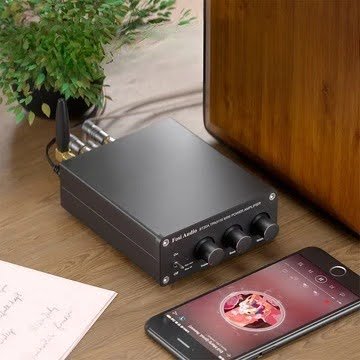

A quality sound system can make music more enjoyable, whether you listen at home, work, or in a dedicated entertainment room. A stereo amplifier is designed to power two audio channels, allowing compatible left and right speakers to reproduce music with balanced sound and a clear sense of space. Choosing the right model depends on your speakers, audio sources, room size, and listening preferences.
Modern stereo amplifiers come with different power ratings, connection options, and features. Understanding these differences can help you select equipment that fits your needs without spending money on unnecessary extras.
What Is a Stereo Amplifier?
A stereo amplifier receives an audio signal from a source and increases its power to drive two speakers. One channel powers the left speaker, while the other powers the right speaker. When the speakers are positioned correctly, this arrangement can create a natural stereo image that helps listeners distinguish instruments and sounds across the recording.
Stereo amplifiers are commonly used with bookshelf speakers, floor-standing speakers, and compatible passive speaker systems. Some models include built-in digital inputs, Bluetooth connectivity, or radio features, while others focus on traditional analog connections.
Choose the Right Power Output
Power output is an important factor when selecting a stereo amplifier. The required power depends on speaker sensitivity, impedance, room size, and the listening volume you prefer.
Check the amplifier’s rated output per channel and the impedance at which that rating is measured. Your speakers should also have specifications that match the amplifier’s supported load.
An amplifier with sufficient clean power can provide comfortable listening levels without excessive strain. However, a higher wattage rating alone does not guarantee better sound quality. Overall design, distortion performance, and speaker compatibility also matter.
Check Audio Connections
Before buying a stereo amplifier, identify the devices you want to connect. Common analog connections include RCA inputs, while some models offer optical or coaxial digital inputs for compatible sources.
Bluetooth can make wireless music streaming convenient, especially when playing audio from a smartphone or tablet. Certain amplifiers also include USB audio, subwoofer outputs, or dedicated phono inputs for compatible turntables.
Choose a model that supports your existing equipment and leaves room for any upgrades you expect to make later.
Improve Speaker Placement
Even a well-designed amplifier cannot compensate for poor speaker placement. Position the left and right speakers at suitable distances from the listening area, and avoid placing them where furniture blocks the sound.
The ideal arrangement depends on the room and speaker design. Experimenting with distance and angle can help improve stereo imaging and create a more balanced listening experience.
Use appropriate speaker cables and secure the connections properly. Always turn off the equipment before changing speaker wiring.
Features for Modern Music Listening
Many stereo amplifiers include features that make everyday use easier. Remote controls, input selection, tone adjustments, and wireless connectivity can simplify listening.
Some models also include a digital-to-analog converter, which converts compatible digital audio signals into analog audio for amplification. An integrated amplifier combines preamplification and power amplification in one device, making it a convenient option for many home audio systems.
Focus on features that support your listening habits instead of choosing a product based solely on the number of functions it offers.
Maintenance and Long-Term Performance
Place your amplifier on a stable surface with sufficient ventilation. Keep the ventilation openings clear and avoid exposing the unit to moisture or excessive heat.
Periodically inspect speaker cables and input connections for loose fittings. Follow the manufacturer’s cleaning instructions and disconnect the equipment from power before performing any external maintenance.
Proper setup and routine care can help preserve the performance of your audio equipment.
Conclusion
A stereo amplifier is a practical choice for anyone who wants a dedicated two-channel music system. By comparing power output, speaker compatibility, connectivity, and useful features, you can find a model that suits your room and budget. Pairing the amplifier with suitable speakers and thoughtful placement can help create an enjoyable listening experience for years to come.