
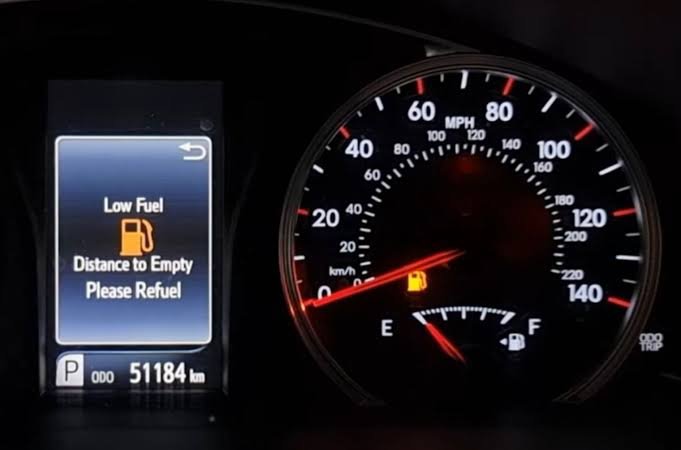

A $400 repair does not stay $400. Wait a season on a high-mileage family SUV, and the same small fault that tripped a check engine light can drag two or three healthy parts down with it before the next oil change is even due. The drivers who keep an aging hauler cheap to run are the ones who answer that light early, usually at an honest auto repair milwaukee wi shop that reads the code for free instead of guessing at it. Ignoring a warning light almost always costs more than fixing what it points to. That is the whole argument, and once you run the math it is not close.
Ignoring A Warning Light Multiplies The Bill
A check engine light is a bill with the due date left blank. It does not tell you how long you have, only that something upstream is off and getting worse on its own schedule. The case we see most often is a driver who muted the light with a cheap code reader, cleared it, and drove another two months on a misfire that was quietly destroying a catalytic converter the whole time. On a 150,000-mile SUV making daily winter commutes, heat and road salt do not wait for a convenient Saturday. Every cold start on a stumbling engine adds a little more damage that the reader never sees. The fault compounds.
The stakes are not only financial. In November 2025, Cars.com reported a Ford recall notice, NHTSA campaign 25V823000, covering an electronic brake booster that can fail and lengthen how far the vehicle travels before it stops. Regulators treat lost brake assist as a serious safety defect for exactly that reason. A warning you ignore on a Tuesday can quietly turn into stopping distance you do not have on an icy on-ramp two weeks later.
It works a lot like a cavity. Catch it while it is a filling and you are out a little money and an afternoon in the chair. Ignore it until the nerve is involved and you are paying for a root canal, a crown, and the day off work to sit through both. Winter here punishes everything, salt included, and road salt is its own long argument about undercarriage rot and rusted brake lines. Back to the light. The mechanism behind the dashboard is the same one behind the dental bill: a small, cheap problem left alone goes out and recruits expensive neighbors.
The True Math Of One Delayed Repair
Run the numbers on a real example. A misfire code on a 160,000-mile family SUV usually points at one worn ignition coil, roughly $180 in parts and labor if you catch it in November. Skip it, and the raw fuel washes down the cylinder and cooks the catalytic converter by February, which on this vehicle runs about $980 installed. Add the spark plugs the failing coil chewed through, call it $140, plus a second $90 diagnostic because the light is now throwing three codes instead of one. The $180 job you deferred comes to $1,210 all in. Same fault, same car, one delayed decision, nearly seven times the bill.
None of that is one shop padding a ticket to scare you. Repair prices really have climbed across the board, and the estimates have the receipts to prove it. According to Empower’s reporting on why car repair costs keep rising, the average trip to a repair shop now runs about $838, with costs up 15% year over year and 33% over the past four years. So an estimate that keeps creeping higher every visit is reflecting a real market, not a shop inventing work to fill the bay. That is also why a shop that offers estimate matching and shows you the failed part is worth more now than it was five years ago, when parts were cheaper and a rising quote was easier to shrug off.
What Recovery Looks Like After A Timely Fix
Here is what answering the light early actually looks like on the calendar. The first week, the shop reads the code, confirms the single failing part, and you approve a repair that fits a normal paycheck instead of a new line of credit. By the end of the first month, fuel economy settles back toward where it was two winters ago and the dashboard stays dark on the morning school run. Within 90 days, you have skipped the tow, the loaner car, and the second round of diagnostics that a deferred fault always drags in behind it. Six months out, the SUV that looked like a trade-in candidate is just the paid-off car in the driveway again, quietly saving you the down payment on something newer.
The cheapest repair is the one you never let snowball into three. Federal testing summarized on the Department of Energy’s fueleconomy.gov maintenance page puts a 1% to 2% mileage gain on simply running the manufacturer’s recommended grade of motor oil, so even skipping the right oil quietly taxes you at every fill-up. A dependable auto repair milwaukee wi shop earns its keep on exactly this math, answering the light while it is still one part and one afternoon rather than a converter and a rental. Keep the small stuff small. That is how a 150,000-mile hauler stays the practical, paid-for choice instead of becoming the reason you are shopping for a loan.